African shamanism is a rich and diverse tradition that varies considerably between the different ethnic groups and tribes of the continent. Shamanism in Africa has deep roots and encompasses a wide range of practices, from healing and spiritual guidance to protection against evil spirits. This article will explore different shamanic practices among various tribes, how song, drums and dance are used in these rituals, as well as a discussion of differences and similarities with Nordic shamanism. We will also look at how the practices have developed from the past to the present and mention some important shamans in African tradition.
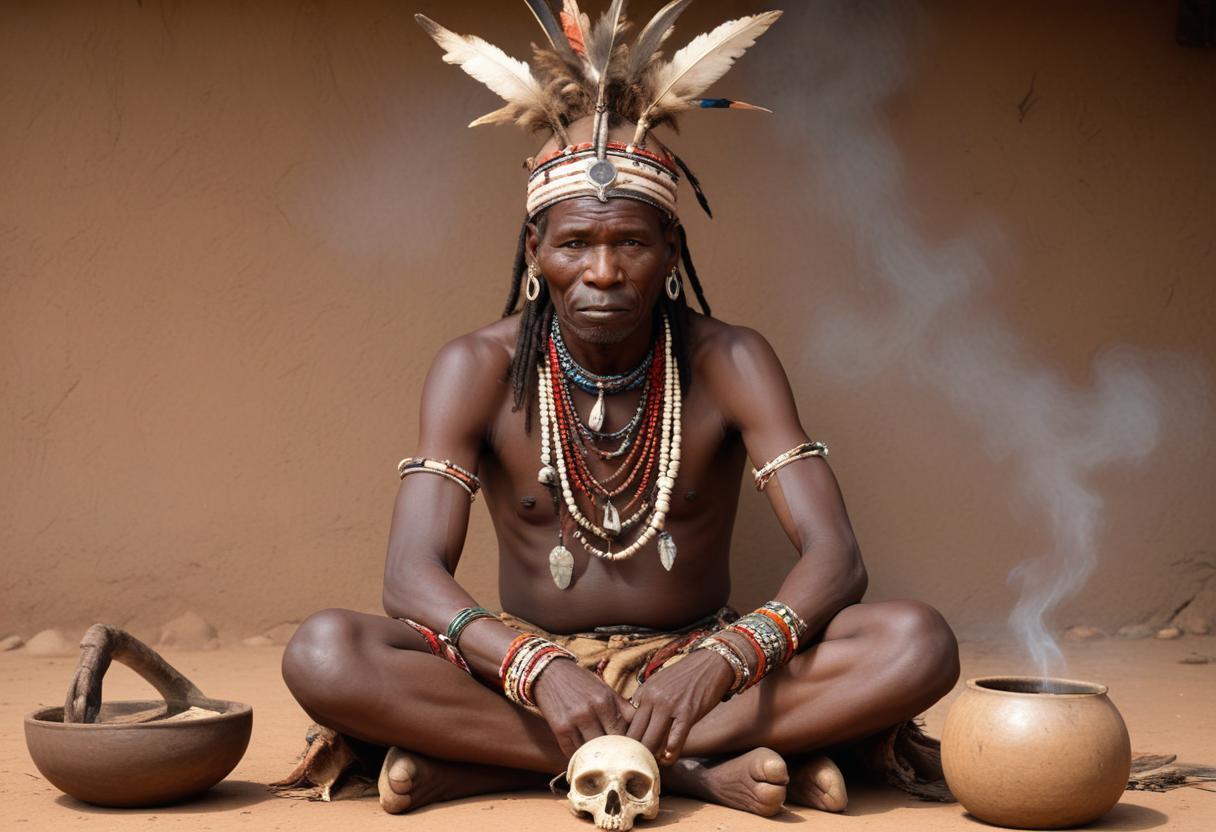
Shamanic practices in Africa African shamanism is characterised by a deep belief that spirits and ancestors play an active role in daily existence. Shamans, often known as medicine men, medicine women or healers, are people with special abilities to communicate with the spirit world. They perform rituals to heal illness, protect against evil, and give counsel in important decisions.
Examples of practices among various tribes The Zulu people: Among the Zulu, shamans are known as isangoma. They have a central role in society as healers and spiritual guides. The isangoma use drums, dance and song in their rituals to communicate with the spirits of the ancestors. A common practice is ukuthwasa, an initiation ritual for new isangoma that includes dreams, visions and spiritual tests.
The Yoruba people: The Yoruba, who live mainly in Nigeria, have a shamanic tradition that is strongly linked to the religion of Ifá. Ifá priests, known as babalawo, use oracles to predict the future and communicate with the spirits. They use drums, especially the bata drums, during ceremonies to invoke gods and spirits, and dances are performed to put the participants in contact with the divine.
The San people (Bushmen): The San people, also known as the Bushmen, have a shamanic practice that is strongly linked to their nomadic way of life. Their shamans, known as n|om-kxaosi, use dance and song to enter a trance in which they can heal illnesses and communicate with the spirits. The dance, known as the trance dance, is an important part of their rituals and is believed to have healing powers both physically and spiritually.
The use of song, drums and dance Song, drums and dance are integral parts of shamanic rituals in Africa. These elements serve several purposes, from inducing trance in the shaman to invoking the spirits and creating a connection between the physical and the spiritual world.
Song is often used to invoke particular spirits or ancestors. The songs may contain powerful incantations or sacred words that have been passed down through generations. In many societies, song is a form of prayer or invocation that opens up communication with the spirits.
Drums are crucial in African shamanism. They are used to establish a rhythm that helps the shaman and other participants make contact with the spirits. The drumbeats can be monotonous and repetitive, which helps to bring the participants into a state of trance. Drums also symbolise the heartbeat and are often seen as carriers of the spirits' voices.
Dance serves as a physical expression of spirituality and is an important part of shamanic rituals. Through dance, the shaman can travel between worlds, and the participants can experience a direct connection with the spirits. In many African cultures, dance is a collective ritual that unites the participants and strengthens the spiritual experience.
Healing methods in African shamanism Healing is one of the most prominent aspects of African shamanism. The methods vary, but often include the use of herbs, ritual baths, amulets and spiritual cleansing.
Many shamans use a combination of herbs and plants to treat physical and spiritual ailments. These herbal mixtures are often closely guarded knowledge that has been passed down through generations.
Spiritual Cleansing. This may involve the use of water, smoke, or special rituals to cleanse the body and soul of negative energies or spirits. Cleansing rituals are often a preparation before a larger ceremony or a treatment for illness.
Many shamans use divination to diagnose the cause of illness. This may involve the use of oracles, animal bones, shells or other objects that are interpreted to gain insight into what is wrong.
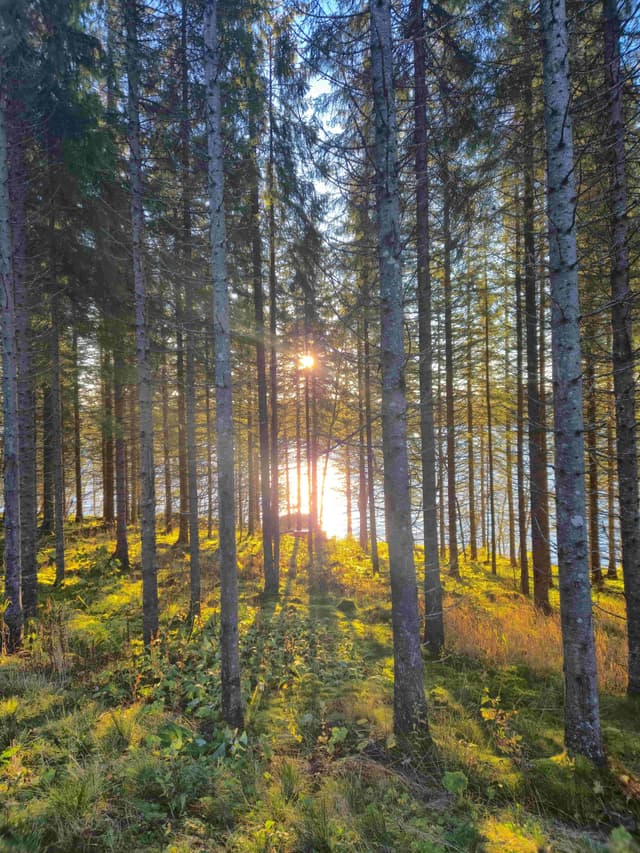
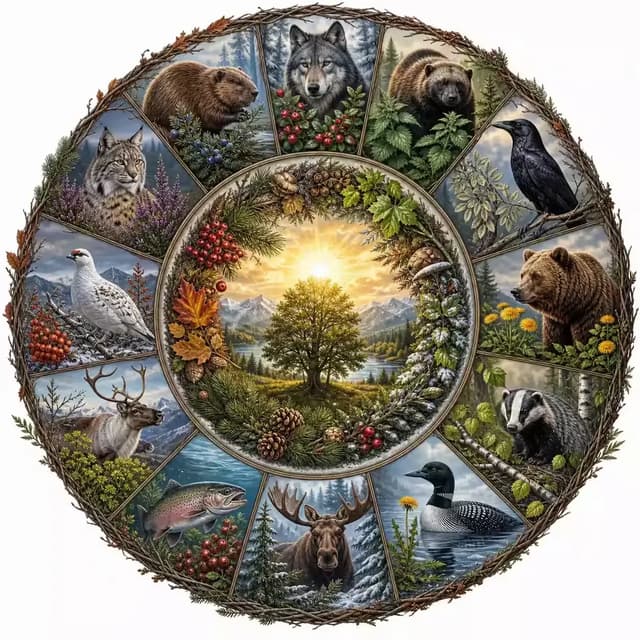
Comparison with Nordic shamanism Nordic shamanism, which is rooted in the traditions of the Sami and other Nordic peoples, shares many similarities with African shamanism, but there are also significant differences.
Similarities The use of drums: In both African and Nordic shamanism, the drum is an important tool for making contact with the spirit world. The drumbeats help the shaman enter a trance and travel to other dimensions.
Spirit journeys: In both traditions, the shaman undertakes spirit journeys to obtain insight or healing from the spirits. This is a core practice in shamanism regardless of culture.
Healing: Healing, both physical and spiritual, is central to both African and Nordic shamanism. Shamans act as healers and seek to restore the balance between humans and spirits.
Differences Ritual objects: While African shamanism often involves the use of masks, amulets and statues in rituals, Nordic shamanism is more focused on the use of nature's elements, such as stones and plants, as well as drums with specific symbols.
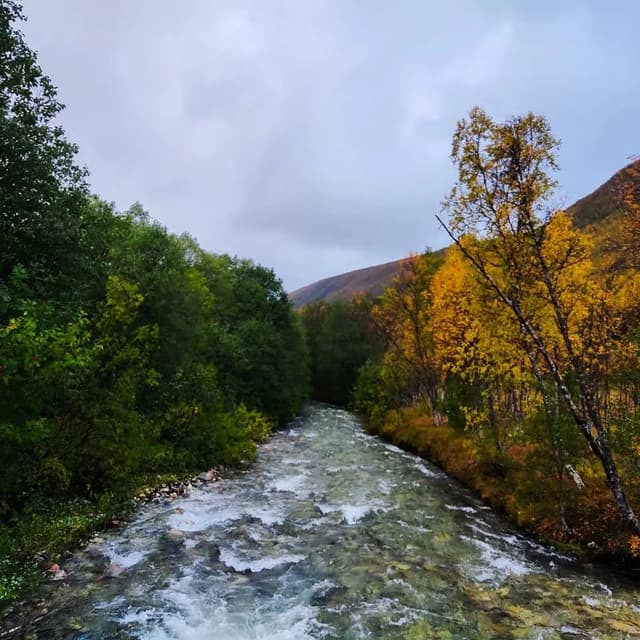
Geographical and climatic Context: African shamanism is adapted to a tropical and subtropical climate where the community has close contact with nature's rich biological diversity. Nordic shamanism, on the other hand, is more adapted to Arctic and subarctic conditions, where the Sami have developed traditions that reflect a life in harmony with a colder climate.
Practices of the past versus practices of today Historically, African shamanism has been an inseparable part of daily life in many societies. The shamans were the community's spiritual leaders, healers and wise men. Today, many of these practices are still in use, but they have also been influenced by modernisation, urbanisation and contact with other religions such as Christianity and Islam. In some societies, shamanic rituals are now performed in a more symbolic or cultural context, rather than as a practical necessity.