The European Congress of Ethnic Religions (ECER) is an organisation whose aim is to promote and protect Europe's ethnic and pre-Christian religions. Member organisations from various European countries work together to revitalise ancient faiths and celebrate the diversity of Europe's spiritual heritage. ECER represents a movement that seeks to revive and honour ancient religious traditions, which have often been overlooked or suppressed over the centuries.
History and Background ECER was established in 1998 in Vilnius, Lithuania, by the Lithuanian historian of religion Jonas Trinkūnas, who was also the leader of the Lithuanian ethnic religion Romuva. Since its establishment, ECER has served as a forum for dialogue and cooperation between various groups that practise and research ethnic religions in Europe. The organisation was founded in response to the growing interest in Europe's ancient spiritual traditions and the need for a platform where these groups could meet, share experiences, and collaborate on common goals.
Purpose and Objectives ECER's main goal is to promote and protect ethnic religions in Europe. This includes:
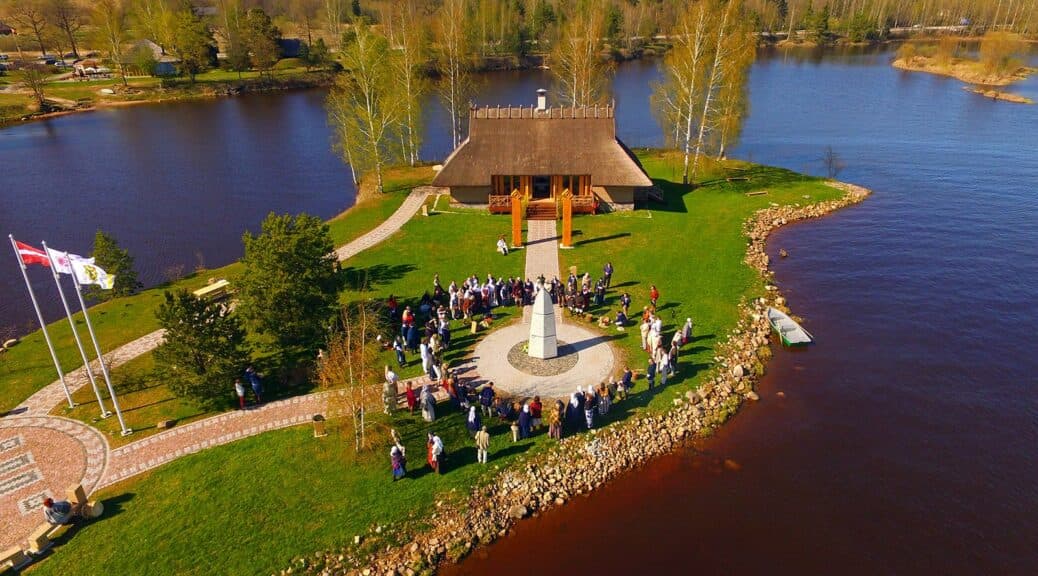
Preservation and Revival: Working to preserve ancient traditions and rituals, as well as to revive them in modern times. Education and Research: Promoting education and research into Europe's ethnic religions, both through academic study and practical application. Protection of Religious Rights: Ensuring that practitioners of ethnic religions have the right to practise their faith without discrimination. Promotion of Interreligious Dialogue: Encouraging dialogue between different religious groups in order to increase understanding and cooperation across faiths. Activities and Events ECER organises a range of activities and events that support its goals:
Annual Congresses: These bring together representatives from various ethnic religions to share knowledge, discuss challenges, and celebrate their shared heritage. Seminars and Workshops: These give participants the opportunity to learn about specific aspects of ethnic religions, including rituals, history, and culture. Publications: ECER publishes research and articles that promote understanding of Europe's ethnic religions. Cultural Celebrations: ECER supports and organises celebrations of traditional festivals and ceremonies, which are often open to the public. Current Board ECER's current board consists of representatives from various European countries and ethnic religions. The board is led by a president, supported by a vice-president and other board members responsible for various aspects of the organisation's work. At present, the board consists of the following members:
President: Uģis Nastevičs (Latvia), Dievturi Vice-President: Inija Trinkūnienė (Lithuania), leader of Romuva. Board Members: Kyrre Gram Franck (Norway), representative from Sjamanistisk Forbund. As well as representatives from Belgium, Italy, and Greece.
Importance and Impact ECER plays an important role in reviving and preserving Europe's spiritual traditions. At a time when globalisation and cultural homogenisation threaten many local traditions, ECER serves as a protector of cultural and religious diversity. The organisation also provides an important forum for people seeking to understand and practise their ancestors' religions in a modern context.
Through its work, ECER helps to create greater awareness of and respect for Europe's spiritual heritage. This contributes to a richer and more diverse cultural scene, which can strengthen communities and promote tolerance and understanding between different religious and cultural groups.
The European Congress of Ethnic Religions represents a movement dedicated to the preservation and revitalisation of Europe's ethnic religions. Through its extensive work in education, research, dialogue, and the protection of religious rights, ECER plays a crucial role in ensuring that these ancient traditions still have a place in today's society. The organisation's efforts help to celebrate and preserve Europe's spiritual diversity for future generations.