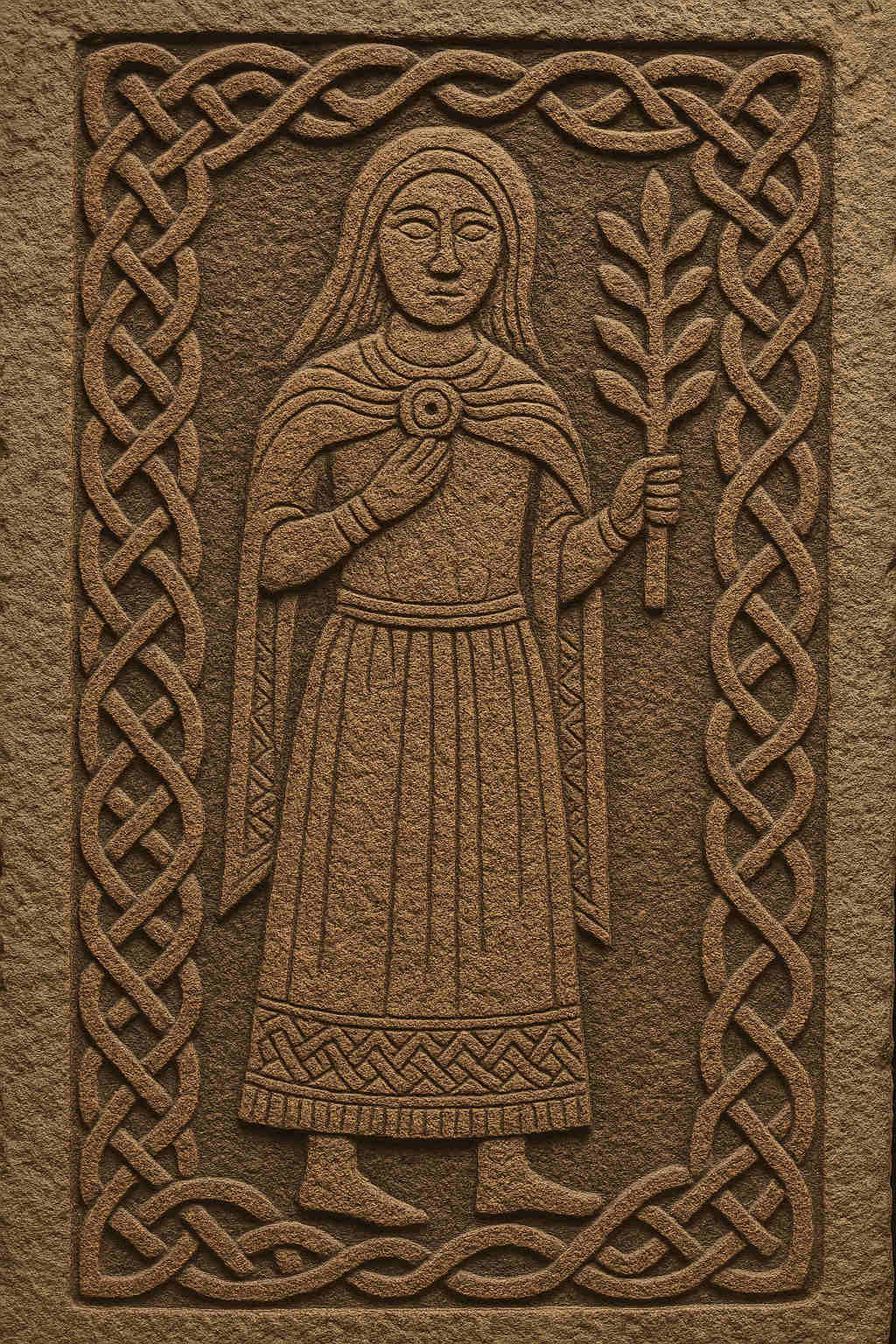
Gerðr, also written as Gerd or Gerth, is a figure not everyone is familiar with in Norse mythology. She is a jötunn (giantess) and goddess best known as the wife of the fertility god Freyr. Her story, which is mainly described in the Edda texts, gives insight into both mythological themes and shamanic perspectives connected to nature, fertility, and the harmony between opposites.
Name and meaning
Gerðr's name comes from the Old Norse word gerða, which means "to enclose" or "to encircle". This suggests a connection to enclosed spaces, such as gardens or fields, and underscores her association with earth and fertility. She represents the lush and nourishing power of nature, and her beauty is often described as dazzling and a symbol of the earth's abundance.
Family background
Gerðr is the daughter of the giants Gymir and Aurboða. The giants were often antagonistic toward the Æsir and the Vanir, but Gerðr's marriage to Freyr shows how these opposites could be united. This marriage symbolizes a harmonious balance between nature's chaos (represented by the giants) and order (represented by the gods).
The story of Freyr and Gerðr
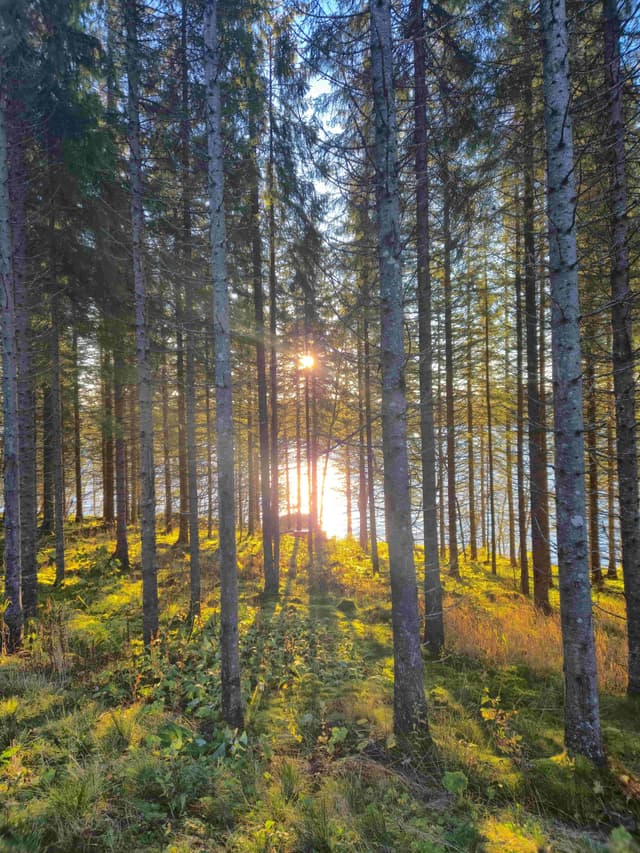
The story of Freyr's love for Gerðr is central to Skírnismál, one of the poems in the Poetic Edda. Freyr sees Gerðr from a distance and immediately falls in love because of her dazzling beauty. He sends his servant Skírnir to Jotunheim to win her love. Skírnir uses gifts, threats, and magic alike to persuade her. In the end Gerðr agrees to meet Freyr after nine days in the forest Barri.
This story has been interpreted as a metaphor for the cycles of nature, in which Freyr represents the sun and warmth, while Gerðr symbolizes the fertile earth. Their union marks the beginning of the growing season.
Gerðr's role as a fertility goddess
Although Gerðr is not explicitly defined as a goddess of a specific domain, her association with the fertility of the earth is clear. She represents the nourishing power that gives life to plants, animals, and humans. Her marriage to Freyr strengthens this role, as he too is known as the fertility god.
Shamanic perspective on Gerðr
From a shamanic perspective, Gerðr can be seen as a personification of the energies and cycles of the earth. Shamanism often focuses on the interplay between humans and nature, as well as the harmony between opposites. In this context, Gerðr's story can be interpreted in several ways.
Symbolism of the earth's power
Gerðr can represent the feminine power in nature—the life-giving energy that underlies all life. Her resistance to Skírnir's threats can be interpreted as the earth's endurance against external pressure. When she finally agrees to meet Freyr, this can be seen as a metaphor for the earth's willingness to cooperate with the sun to foster growth.
The union of opposites
The marriage between Gerðr (giantess) and Freyr (Vanir god) symbolizes the integration of opposites: chaos versus order, the wild versus the cultivated. This reflects shamanic principles of balance between different energies in order to achieve harmony.
Rituals and nature mysticism
The story of Gerðr has also been interpreted as a ritual drama connected to fertility cultures. It is possible that Skírnismál reflects earlier rituals in which the fertility of the earth was celebrated through dramatic portrayals of the interactions of the gods. This underscores her role in the cosmology as a key figure for the cycles of life.
Source references
History Lists: "Gerðr - Goddess of Norse Mythology."
Ancient Origins: "Freyr and Gerd: Lovesick Norse God Seeking Giantess."
Wikipedia: "Gerðr."
Tidsskrift.dk: "Painful Love and Desire in Skírnismál."
Vikingr.org: "Gerdr | Norse Goddess of Fertility and Wife to Freyr."