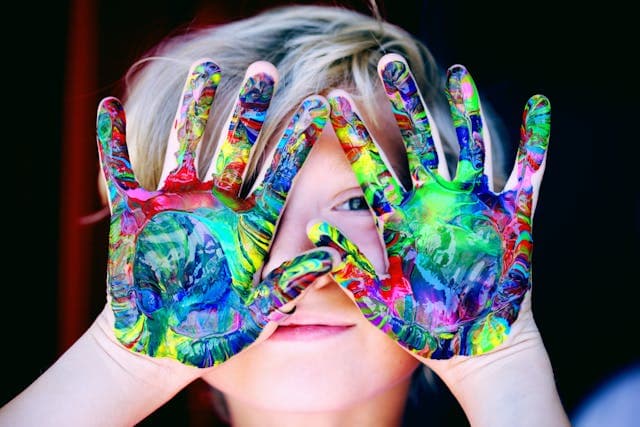
There is a particular magic in the way children meet the world. Everything is new, everything is possible, and the boundaries between imagination and reality are fluid. For a child, a stone can be a sleeping dragon, a tree stump a ship on an adventure, and the wind a whispering spirit. This open, wondering attitude is not just charming – it is a deep spiritual resource, a power that many adults long to return to, but have often lost in the face of the demands and logic of everyday life.
In shamanic tradition, this childlike wonder has always been recognized as a bridge to the spirit world. A child's ability to play, to make up stories and to believe in the invisible is not seen as something to be «outgrown», but as a gift and a source of wisdom. It is through play – both the spontaneous and the ritual – that people of all ages can open themselves to new layers of joy in life, contact with nature and deeper insight into themselves.
The child's gaze – a bridge to the invisible
Children see what adults have often forgotten. They sense the moods in a room, notice small signs in nature, talk to animals and stones, and can suddenly fall silent because «someone» is there. In many indigenous traditions, such experiences have been recognized as genuine encounters with the spirit world. The shaman, who has often retained something of the child's openness, knows that the world is much larger than what the eye sees.
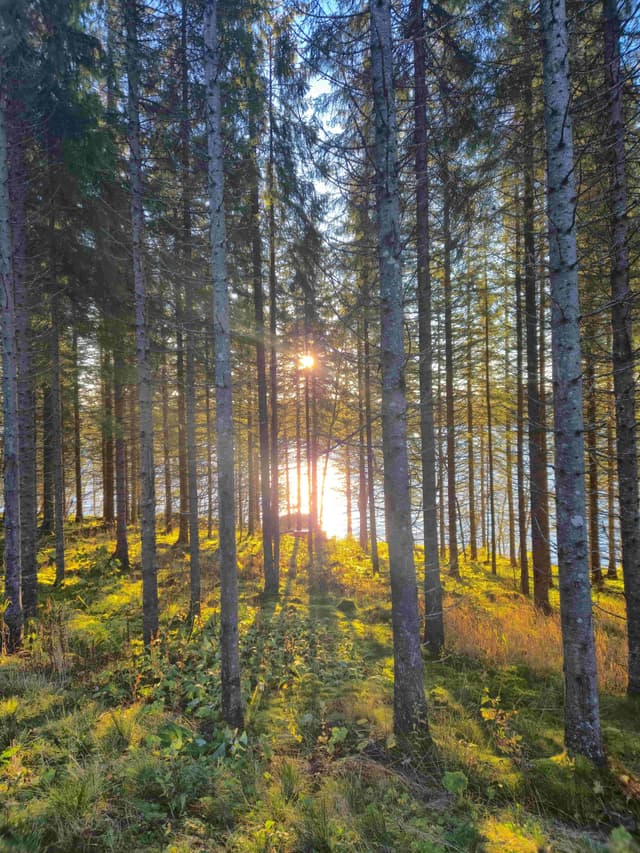
When adults open themselves to the child's gaze, something happens. It is as if the world gains more colors, more layers. A walk in the forest becomes not just exercise, but a journey into a living landscape of stories, signs and possibilities. A stone can once again become a friend, a tree a confidant, and the wind a messenger. This is not just imagination – it is a way of being in the world that opens for deeper contact with both oneself and with what is greater than us.
Playfulness as spiritual practice
In shamanism, play is not reserved for children. It is a path into the sacred, a practice that opens for contact with the spirit world. Many shamanic rituals contain elements of play: dance, drumming, song, masks, storytelling, and even role-play. When adults allow themselves to play, to let go of control and step into the unknown, something happens with the energy – both in the body and in the mind.
Playfulness makes room for the unexpected. It lets us try out new roles, meet fear and laughter, and discover sides of ourselves we did not know existed. In shamanic practice, this can mean dancing oneself into another state of consciousness, making a mask and letting it «speak», or setting out on an expedition into nature without aim or purpose. Play opens the door to the magical – and to the spirits, who readily show themselves when we are not trying too hard.
Drum journeys
One of the most central practices in shamanism is the drum journey. Here we are invited to set aside everyday logic and let ourselves be carried by the rhythm of the drum into inner landscapes. For many adults, this can feel unfamiliar – it is like having to «play» with one's own mind. But it is precisely in this play that the key to deeper insight and healing lies.
During a drum journey, one may meet power animals, spiritual helpers, ancestors or entirely new beings. One can fly, transform, talk to stones or travel to other worlds. Everything is possible, and there is no correct answer. It is about being open, curious and willing to let oneself be surprised – exactly as children do when they play.
Many adults find that drum journeys give them back something they have missed: a sense of adventure, freedom and contact with something greater. The journey can give answers to questions, loosen old patterns, or simply give a deep feeling of joy and wonder. When we dare to play with the spirit world, we also open up for life to become larger, richer and more magical.
Drawing inspiration from children
How can adults recover some of the child's wonder and spiritual contact? First and foremost, it is about daring to let go of control, giving oneself permission to dream, make up stories and play – both alone and together with others. It can be going out into nature and pretending to be on an expedition, making small rituals with stones and flowers, or telling stories about the invisible.
It is also about listening to children – really listening, without correcting or explaining away what they experience. When a child tells about an invisible friend, an animal that talks, or a dream that felt real, we can meet it with curiosity and respect. Perhaps the child has seen something we ourselves have forgotten to see.
Being together with children in nature is a gift. Children discover details, find secret places and give names to everything they encounter. When adults let themselves be drawn along, they too can experience becoming children again – and open themselves to new layers of reality.
Playfulness as a source of joy in life
In an age where many adults feel weighed down by responsibility, stress and expectations, playfulness can be a path back to joy in life. Shamanism reminds us that we never become too old to play, to dream, or to believe in the invisible. When we open ourselves to play, we also open ourselves to healing, creativity and deeper contact with ourselves and the world around us.
Drum journeys, dance, song, storytelling and nature play are all paths into this joy of life. They give us the opportunity to release our grip on what weighs us down, and to draw new energy and inspiration. When we play, we become more alive – and more open to the gifts of the spirit world.
Living with wonder
The child's wonder is a gift we all carry with us, even though it sometimes lies hidden beneath layers of experience and adult life. Shamanism invites us to bring it forth again – to play, dream and open ourselves to the magical in life. When we do this, we discover that the world is much larger, richer and more alive than we thought. And perhaps, in the midst of play, we meet not only ourselves, but also the spirits who are waiting to be seen – with the gaze of the child.
This rediscovery of wonder and playfulness is not only a path to personal joy, but also to deeper spiritual contact and community – with nature, with one another and with all that lives.
Sources
Eliade, M. (2004). Shamanism: Archaic Techniques of Ecstasy. Princeton University Press.
Harner, M. (1990). The Way of the Shaman. HarperOne.
Winkelman, M. (2010). Shamanism: A Biopsychosocial Paradigm of Consciousness and Healing. Praeger.
Rock, A. J., & Krippner, S. (2011). Demystifying Shamans and Their World: A Multidisciplinary Study. Imprint Academic.
Walsh, R. (2007). The World of Shamanism: New Views of an Ancient Tradition. Llewellyn Publications.
Tedlock, B. (2001). The Woman in the Shaman's Body: Reclaiming the Feminine in Religion and Medicine. Bantam.