Shamanism is an ancient practice that has seen renewed interest in modern times. Many people seek to integrate shamanistic principles into everyday life, not only through major rituals, but also through small yet meaningful actions. Everyday shamanism is about living in harmony with nature and our fellow creatures, and making the world a slightly better place. This article explores how one can live as a shamanistic practitioner in daily life, with a focus on simple, accessible practices. Living in such a way, and to what extent, is something you choose for yourself. These examples are not meant as commands, but rather as tips for how we can make good choices for our surroundings and ourselves.
What is shamanism?
Shamanism is a spiritual tradition in which one communicates with the spirit world to gain insight, healing and guidance. In shamanistic belief, everything living is ensouled; trees, stones, rivers and animals have souls and energies that we can communicate with. A shamanistic way of life involves recognising this connection and living in accordance with the rhythms of nature.
Morning routines
Meditation and gratitude
A good start to the day can be a short meditation. Sit down in silence for a few minutes, breathe deeply and direct gratitude to Mother Earth for everything she gives us. This can include gratitude to the beings that have contributed to the food you eat, whether they are plants, animals or people who have been involved in the process.
Connection with nature
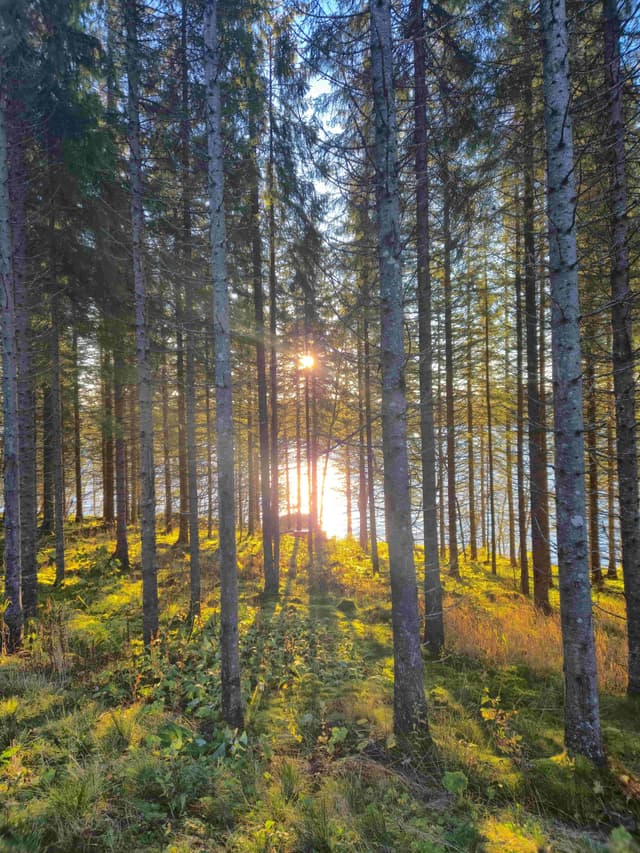
Spend time outdoors every morning, whether it is a short walk or simply standing still and listening to the sounds around you. Observe the wind, the birds or the movement of the river. This helps strengthen your connection to nature and brings a sense of peace.
Daily actions
Awareness of your surroundings
Shamanism encourages mindfulness of our impact on the environment. A simple act can be picking up litter when you are out or choosing sustainable products. This shows respect for nature and its resources.
Rituals for cooking
When you cook, you can include small rituals such as thanking the ingredients for their nourishment. Before you eat, take a moment to acknowledge and thank the beings that have contributed to your food, the plants, animals and those who have grown or prepared it. This creates a deeper connection to the meal and brings a sense of humility.
Evening routines
Reflecting on the day
End the day with reflection. Write down three things you are grateful for during the day. This helps to focus on positive experiences and creates a sense of contentment.
Dream journal
Keep a dream journal by your bed to note down dreams when you wake. Dreams can be important messages from the subconscious or from the spiritual world.
Connection with power animals
Power animal practice
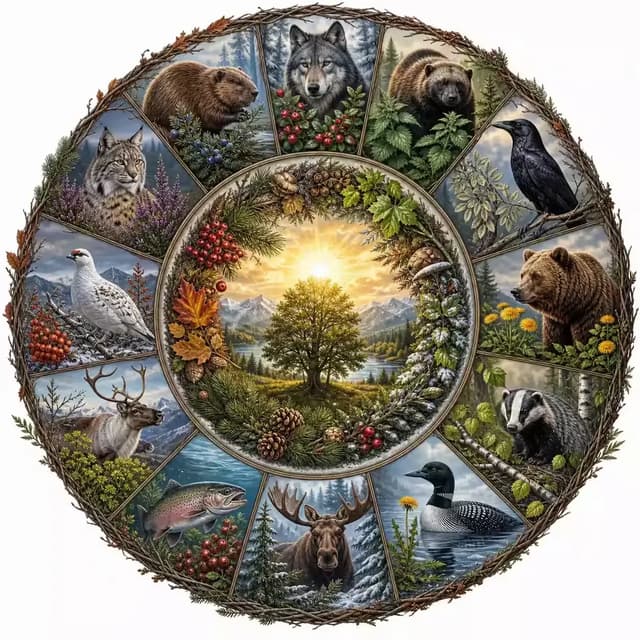
In shamanism, power animals are symbols of strength and guidance. Spend time meditating on which animal resonates with you, and what it represents in your life. Visualising this animal during meditation can provide insight and strength.
Community engagement
Participation in groups
Join local shamanistic groups or communities where you can share experiences and learn from others. Taking part in ceremonies or workshops that focus on healing and connection with nature can also be enriching.
Humility and compassion
An important part of everyday shamanism is humility. It is not about seeing oneself as better or worse than others; rather, it is about recognising that we are all interconnected in this complex web of life. Each day we should strive to make the world a slightly better place, whether by helping our fellow creatures, such as animals, or by showing care for the people around us.