Shamanism is one of the oldest spiritual practices in human history, with roots stretching back thousands of years. This practice has survived and evolved through the centuries, and is now experiencing a renaissance in modern times. Shamanism is not just a belief or philosophy, but a living practice that involves direct experience and interaction with the spiritual world.
Fundamental principles of shamanic practice
Animism and the connectedness of all things
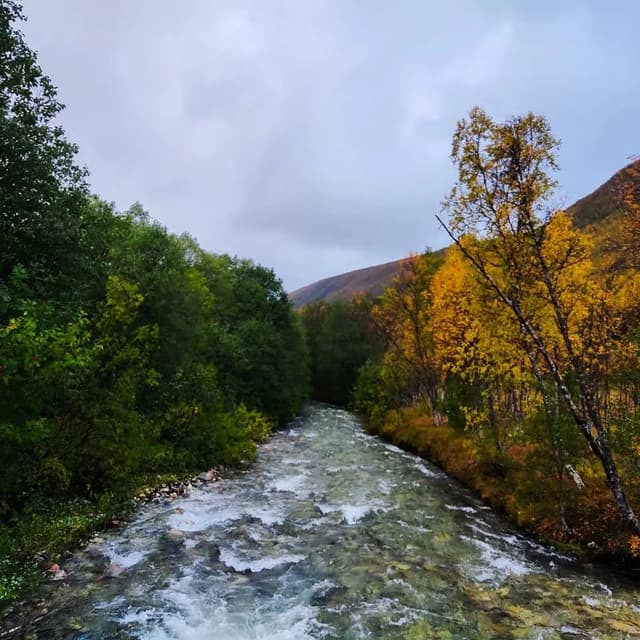
Shamanism is deeply rooted in an animistic worldview, which sees everything in nature as ensouled and interconnected. This understanding forms the basis of all shamanic practice. Shamans see not only humans, animals, and plants as living beings, but also stones, rivers, mountains, and even weather phenomena. This perspective leads to a deep respect for nature and an understanding that everything is connected in a complex web of relationships.
Altered states of consciousness
A central part of shamanic practice is the ability to enter altered states of consciousness. This is traditionally achieved, for example, through various techniques such as drumming, dance, song, or fasting. In these states, shamans believe they can communicate directly with the spirit world, receive visions and insight, and perform healing.
Power animals and spiritual guides
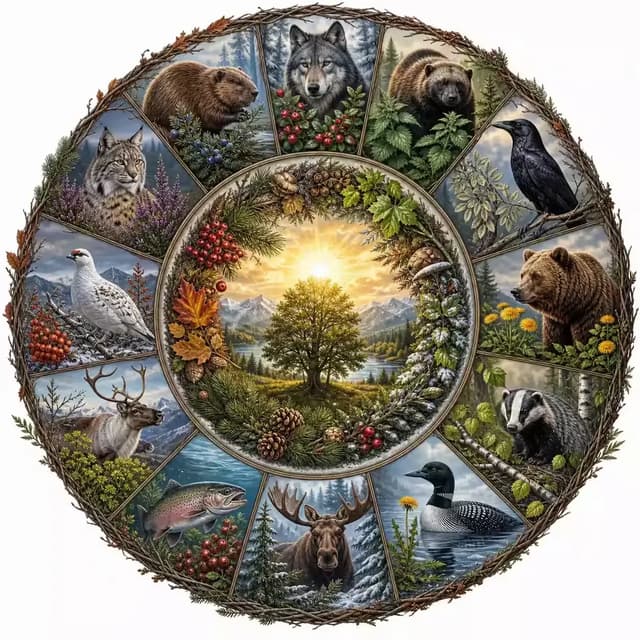
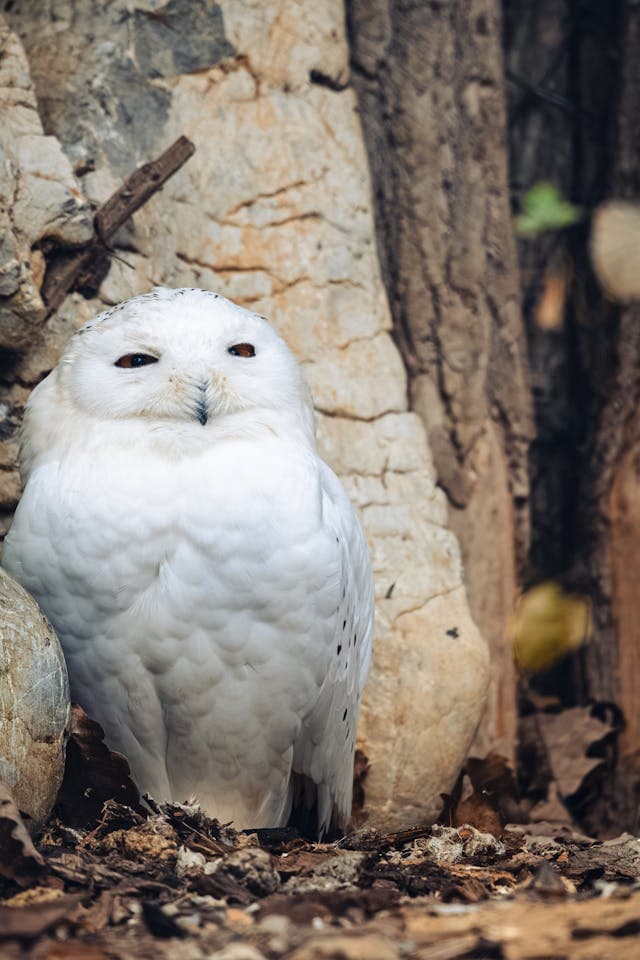
In shamanic tradition it is believed that each individual has one or more power animals and spiritual guides. These act as protectors, advisors, and sources of power and wisdom. An important part of shamanic practice is identifying and building relationships with these spiritual allies.
Shamanic practices and techniques
Soul journeys or drum journeys
Soul journeys are a fundamental practice in shamanism. This involves the shaman "traveling" to other worlds or dimensions of reality, often described as the lower world, the middle world, and the upper world. These journeys are made to seek wisdom, retrieve lost soul energy, or perform healing.
Lower world journeys: The shaman travels to the lower world to meet power animals and retrieve lost soul energy. This is often part of healing ceremonies.
Upper world journeys: Journeys to the upper world are made to seek wisdom and guidance from spiritual guides. This can be part of divination ceremonies or ceremonies for seeking guidance.
Middle world journeys: Journeys in the spiritual dimension of the physical world can be made for healing and gathering information, often as part of healing ceremonies or nature-based rituals.
Healing techniques
Healing is a central part of the shaman's work. Shamanic healing is based on the idea that illness often has spiritual or energetic causes, and that healing must therefore address these aspects.
Energy work: The shaman learns to manipulate and balance energies in the client's energy field. This can be part of individual healing ceremonies.
Soul retrieval: An important healing technique in which the shaman retrieves lost soul fragments. This is often part of more comprehensive healing ceremonies.
Extraction: Removing harmful or foreign energies from the client's energy field. This can be part of cleansing ceremonies.
Communication with the spirit world
The ability to communicate with spirits and gods is essential in shamanic practice. This can include:
Power animal communication: The shaman learns to communicate and work together with power animals. This is often part of personal development ceremonies and healing rituals.
Contact with ancestors: Many shamanic traditions place great emphasis on contact with the spirits of the ancestors. This can be a central part of rites of passage and ceremonies for guidance.
Rituals and ceremonies
Rituals and ceremonies are an integral part of shamanic practice. These can range from simple daily practices to comprehensive group ceremonies. Some important elements of shamanic rituals include:
Creating sacred space: This often involves cleansing the area energetically and calling in protective forces.
Invocation: Calling upon spiritual forces, gods, or the elements of nature.
Offerings: Giving gifts to the spirits as part of the exchange and relationship-building.
Symbolic actions: The use of objects, movements, or sounds that represent the desired change or healing.
The use of power objects
Power objects are physical items that the shaman uses as focal points for spiritual energy and intention. These can include drums, rattles, crystals, feathers, and special stones. Power objects are often gathered in a personal medicine bag, which functions as a portable altar and toolkit for the shaman.
Shamanic practice in a modern context
Integration into daily life
Modern shamanic practice is often about integrating traditional techniques into a modern lifestyle. This can include:
Daily rituals: Simple practices such as meditation, gratitude rituals, or short soul journeys can be integrated into the daily routine.
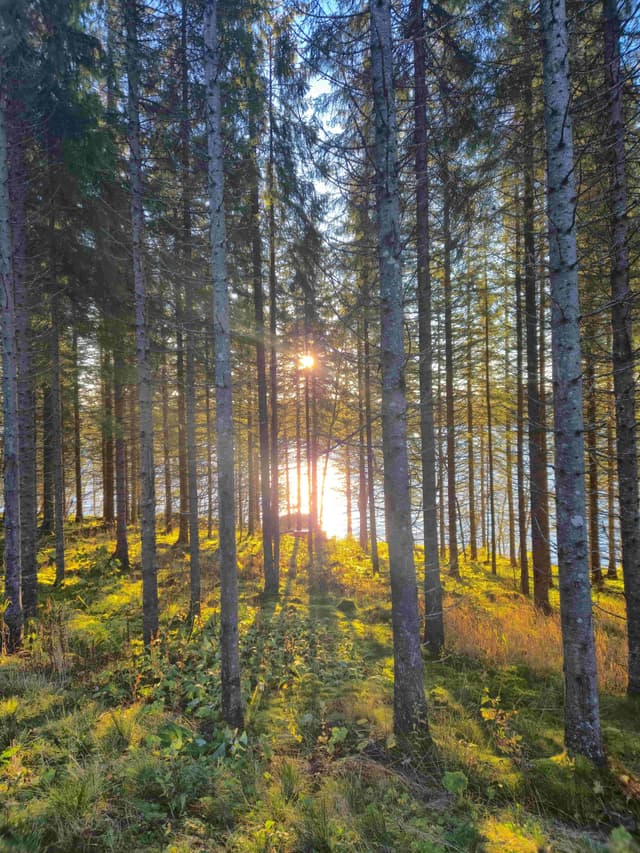
Contact with nature: Regular time spent in nature, including practices such as "forest bathing," is an important part of modern shamanic practice.
Dream work: Working with and interpreting dreams is a way to continue the spiritual work even while sleeping.
Personal development and self-healing
Shamanism is increasingly being used as a tool for personal growth and self-healing. This can include:
Shamanic meditation: Techniques that focus on connecting with nature, power animals, or inner wisdom.
Energy work: Practices for cleansing and balancing personal energy, often using visualization or work with the chakras.
Self-reflection and inner work: The use of shamanic techniques to explore personal challenges and traumas.
Environmental awareness and sustainability
Many modern shamanic practitioners see their work as inextricably linked to environmental protection and sustainability. This can manifest as:
Ecological activism: Engagement in environmental organizations and sustainable initiatives.
Sacred natural sites: Working to protect and restore sacred natural sites.
Raising awareness: Using shamanic practices to increase people's awareness of their connection to nature.
Challenges and ethical considerations
Cultural appropriation
An important topic in modern shamanic practice is the question of cultural appropriation. It is important to approach shamanic practices with respect and acknowledgment of their origin and cultural context.
Responsible practice
Shamanic practice often involves working with deep psychological and spiritual aspects. Responsible practice is therefore important, including:
Thorough training: Seeking training from experienced teachers and respecting traditional lineages of knowledge.
Ethical guidelines: Developing and following clear ethical guidelines, especially when working with others.
Integration with modern health practice: Acknowledging the limits of shamanic practice and collaborating with conventional medicine when necessary.
Balancing tradition and innovation
Modern shamanic practice often faces the challenge of balancing respect for traditional practices with the need to adapt to modern contexts. This can involve:
Research and documentation: Working to preserve and document traditional practices.
Creative adaptation: Finding ways to adapt traditional practices to urban environments and modern lifestyles.
Dialogue between traditions: Creating space for exchange and learning between different shamanic traditions and modern spiritual practices.
The role of shamanism in modern society
Holistic health and well-being
Shamanic practice offers a holistic approach to health that integrates physical, emotional, mental, and spiritual aspects. In an age when many feel alienated from nature and their own inner wisdom, shamanic practices can offer paths to wholeness and balance.
Ecological awareness
Shamanism's deep respect for nature and understanding of the interconnected nature of all life can play an important role in addressing today's environmental challenges. Shamanic practice can inspire a more sustainable and respectful relationship with the earth.
Cultural bridge-building
In a globalized world, shamanism can act as a bridge between different cultures and traditions. By acknowledging the universal aspects of shamanic practice, while respecting specific cultural expressions, shamanism can contribute to greater intercultural understanding and respect.
Personal development and transformation
Shamanic practice emphasizes direct experience and personal responsibility for one's own spiritual journey. This can be especially valuable in an age when many seek more authentic and personal spiritual experiences.
Shamanism as a practice is a rich and diverse field that ranges from ancient traditions to modern adaptations. The core of shamanic practice lies in the direct experience of the spiritual dimension of reality and a deep connection with nature. Through techniques such as soul journeys, healing rituals, and communication with the spirit world, shamanism offers tools for personal growth, healing, and a deeper understanding of our place in the universe.
In today's world, where many feel disconnected from nature and their own inner wisdom, shamanic practice can offer paths back to a more holistic and balanced way of living. At the same time, modern shamanic practice faces challenges related to cultural appropriation, responsible practice, and balancing tradition and innovation.
Looking ahead, shamanism has the potential to play an important role in addressing some of our time's most pressing challenges, from the environmental crisis to the need for deeper meaning and connection in our lives. By integrating shamanic principles and practices in a respectful and responsible way, we may be able to rediscover an ancient wisdom that is more relevant than ever in our modern world.
References
https://www.sjamanforbundet.no/artikler/hvordan-blir-man-sjaman
https://www.wanvig.no/hva-er-sjamanisme/
https://www.wanvig.no/sjamanistisk-magi-en-titt-bak-magiens-mystiske-forheng/
https://www.lindanilsen.no/sjamangrunnutdannelse
https://www.sjamanforbundet.no/artikler/sjamanens-rolle-i-ulike-kulturer
https://medium.no/spirituell-utvikling/skogsbad-er-var-viktigste-medisin/
https://www.sjamanforbundet.no/artikler/sjamanisme-og-selvutvikling
https://www.sjamanforbundet.no/artikler/sjamanisme-og-selvutvikling