The child's natural connection to the world
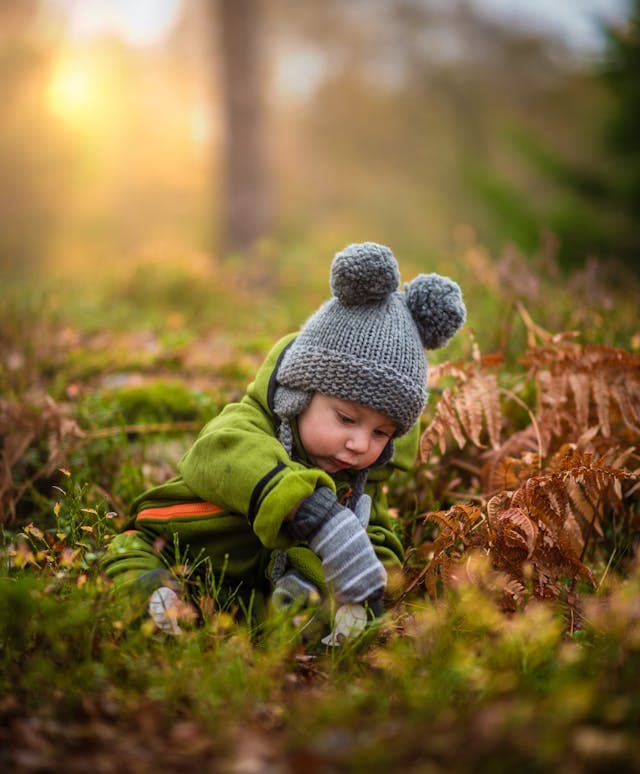
There is something magical about the way children experience the world. For them everything is new, everything is possible, and the boundary between imagination and reality is often thin. Children see not only with their eyes, but with their whole body and soul. They play in the forest, talk with the trees and animals, dream of flying, and find secret places that only they know about. This is not just play – it is a deep, spiritual connection to nature and to all that lives.
In the shamanic tradition, children have always been seen as especially open and receptive to the spirit world. They have a natural intuition and wonder, and can often see and experience things that adults have forgotten or overlooked. Shamanism has always cared for this spirituality, and has given children tools to develop their connection to nature, to the ancestors and to their own inner power.
The child as a spiritual guide
In many indigenous cultures, such as Sámi and some North American traditions, children have always been seen as important bridge-builders between the visible and the invisible world. Children can often see spirits, talk with animals and have dreams that contain deep messages. In the shamanic tradition, people have been attentive to this ability, and have given children room to express and develop their spirituality.
Shamans have often seen children as spiritual guides, and have learned from them how to remain open to the wisdom of nature. Children have an ability to be present in the moment, to listen to their inner selves, and to trust their intuition. These are values that shamanism cares for, and that adults can learn from.
Contact with nature
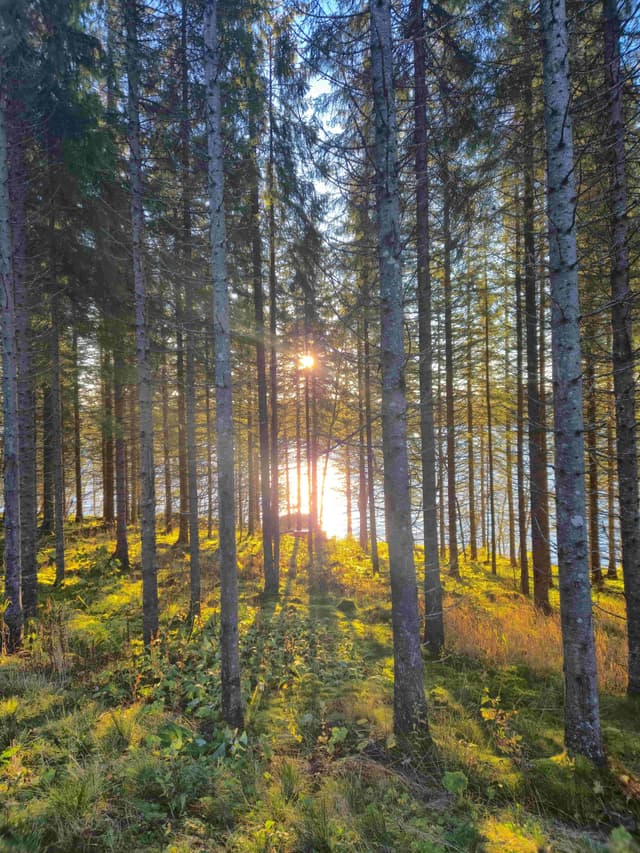
In the shamanic tradition it has always been important to let children be in nature. Nature is not just a place to play, but a sacred space where children can experience the spirit world, meet power animals and learn about the cycles of life. Children who grow up with access to forest, mountains and water develop a deep respect for all that lives, and a sense of belonging to nature.
Nature also gives room for play, exploration and creativity. Children can build dens, make boats of bark, gather stones and flowers, and find secret places where they can dream and imagine. This is not just play – it is a way to connect to their own inner power and to the spirit world.
Dreams and visions
Children often have strong dreams and visions, and can experience meeting spirits, ancestors or power animals in their dreams. In the shamanic tradition, people have been attentive to this, and have given children room to tell about their dreams, and to interpret them together with adults. Dream work has been an important part of growing up, and has given children insight into themselves and into the world around them.
Traditional shamanic practices for children
Power animals and spiritual helpers
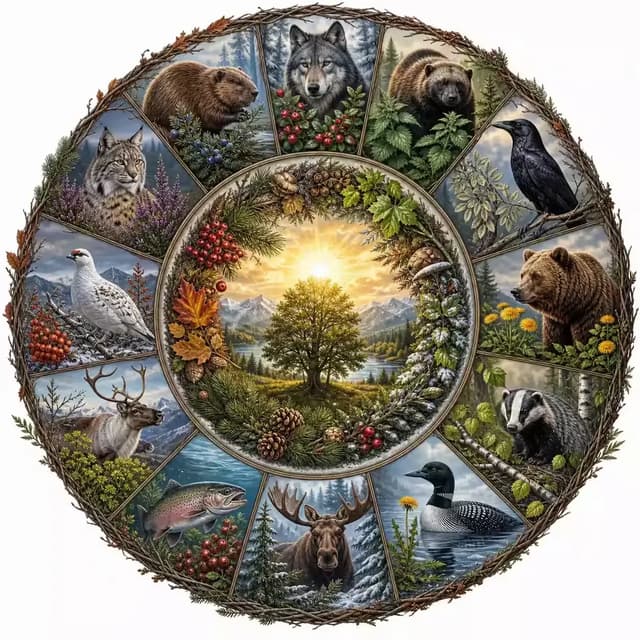
In many shamanic cultures, children have been introduced to power animals – spiritual guides who are always present and can give strength, protection and wisdom. Children can meet their power animal through meditation, dreams or visualization, and can build a relationship with it through drawing, dance or storytelling.
The power animal can be an animal the child has been fascinated by, or an animal that appears in dreams or in nature. Some children have several power animals, each with its own gifts and tasks. Working with power animals gives children a feeling of safety, belonging and strength, and helps them develop their own spirituality.
Nature rituals
Shamanic rituals for children are often simple and playful. Children can make small altars in nature, gather stones and flowers, and create small ceremonies to honor nature and the spirit world. This can be as simple as lighting a candle, singing a song, or placing a small gift by a tree.
These rituals give children a feeling of participation and meaning, and help them develop a deep respect for nature and for all that lives. They also learn that they are part of something greater – of nature's cycle, of their kin and of the spirit world.
Community and storytelling
In the shamanic tradition, community has been important for children. Children often gather around the fire, sing songs, tell stories and share dreams. This strengthens the bonds between the children, and gives them a feeling of belonging and safety.
Storytelling has always been an important part of shamanic practice. Through stories children learn about gods, spirits, power animals and ancestors, and gain insight into life's big questions. The stories also give room for play, imagination and creativity, and help children develop their own identity and spirituality.
To listen and respect
The most important thing adults can do is to listen to children and respect their experiences. Children often have strong experiences and feelings, and can tell about encounters with spirits, dreams or power animals. It is important to take these experiences seriously, and to give children room to express themselves.
Adults can ask questions, ask for explanations, and help children interpret their experiences. It is not about giving the right answers, but about being curious and open, and about helping children find their own answers.
Creating room for spirituality
Adults can create room for children's spirituality by letting them be in nature, by making small rituals, and by giving them the opportunity to express themselves through art, dance or music. It can be as simple as taking a walk in the forest, gathering stones, or making a small altar at home.
It is also important to let children take part in shared rituals and celebrations, and to give them the opportunity to participate in their own way. This gives children a feeling of belonging and meaning, and helps them develop their own spirituality.
Being a role model
Adults are important role models for children. Through their own practice and attitude, adults can show children how to be open to nature, to the spirit world and to their own inner power. Adults can share their own experiences, tell about their dreams, and show how to use rituals and meditation to find calm and strength.
Anna's story
Anna grew up in a family where nature and spirituality were always a part of everyday life. As a small child she spent a lot of time in the forest, played with stones and flowers, and often talked with animals and trees. She had a strong feeling that she was not alone, and that she could get help from invisible friends when she needed it.
One day, when she was afraid to sleep alone, her mother told her about power animals. They sat together, closed their eyes, and the mother helped Anna imagine that she met her own power animal. Anna saw a large, friendly bear, who gave her a feeling of safety and strength. After that day Anna used the bear as an inner friend, and could always ask for help when she was afraid or unsure.
Anna says that this gave her a deep feeling of belonging and strength, and that she still uses the power animal as a source of safety and insight in adulthood.
Erik's story
Erik was a boy who often felt left out and alone. He had difficulty fitting in at the kindergarten, and often felt misunderstood. One day he got to take part in a shamanic circle for children, where they made small rituals in nature, sang songs and told stories.
Here Erik was allowed to be himself, and was given room to express his feelings and experiences. He found his own power through gathering stones, making small altars, and meeting other children who experienced the world the same way he did. Over time Erik began to tell about his dreams, and was helped to interpret them together with the adults.
Erik says that this gave him a feeling of belonging and worth, and that he learned to trust his own intuition and spirituality.
These children are of course fictional, but the experiences are based on experiences from the childhoods of our members.
Practical exercises for children and young people
1. Power animal meditation
Sit down together with the child, and close your eyes. Ask the child to imagine that they enter the forest, and meet their own power animal. Let the child describe the animal, and ask which gifts or strengths it gives. The child can draw, paint or dance the power animal afterwards.
2. Nature ritual
Take a walk in the forest, and let the child gather stones, flowers or twigs. Make a small altar on the ground, and ask the child to place the objects there. Set an intention, for example to thank nature, ask for protection, or wish something good for themselves or others.
3. Dream work
Place a notebook by the bed, and ask the child to write down or draw their dreams in the morning. Talk together about the dreams, and try to interpret them. Ask what the child felt, and which images or figures appeared.
4. Storytelling and song
Tell stories about gods, spirits, power animals and ancestors. Sing songs together, and let the child help make their own verses or melodies. This strengthens the bonds between adults and children, and gives room for imagination and creativity.
5. Community and circle
Gather children in a circle, and let them tell about their experiences, dreams or feelings. Give room for everyone to speak, and let the children support one another. This gives a feeling of belonging and safety, and helps children develop their own spirituality.
On children's spirituality
Children have a natural spirituality and wonder, which is often overlooked or underestimated in modern society. Shamanic traditions remind us that children are spiritual guides, and that they have much to teach us about being present, listening to nature, and trusting their intuition.
Supporting children's spirituality is not about teaching them one particular faith or practice, but about giving them room to explore, express and develop their own connection to nature, to the ancestors and to their own inner power. It is about listening, respecting and being open to children's experiences, and about being a safe and supportive adult.
Through shamanic practices such as meditation, rituals, dream work and community, children can develop a deep feeling of belonging, safety and strength. They learn to be present in the moment, to listen to their inner voice, and to trust that they are part of something greater – of nature's cycle, of their kin and of the spirit world.
Children's spirituality in modern times
In today's world, where many children live a busy and stressful life, shamanic practices can be a source of calm, insight and self-development. By giving children room to be in nature, to express themselves through art, dance or music, and to take part in rituals and celebrations, adults can help children find their way back to their own spirituality and wonder.
Shamanic practices can also be a way to strengthen the bonds between adults and children, and to give children a feeling of belonging and worth. Through community, storytelling and creativity, children can develop a deep respect for nature, for themselves and for others.
Practical advice for adults
Listen to the child. Take the child's experiences and feelings seriously, and give room for the child to express themselves.
Be present in nature. Take a walk in the forest, gather stones and flowers, and let the child explore and play.
Make small rituals. Make small altars, light candles, or create ceremonies to thank nature or ask for protection.
Tell stories. Tell about gods, spirits, power animals and ancestors, and let the child help make their own stories.
Use creative methods. Let the child draw, paint, dance or sing about their experiences and dreams.
Create community. Gather children in a circle, and let them tell about their experiences and dreams.
Be a role model. Show children how you yourself can be open to nature, to the spirit world and to your own inner power.
References
Eliade, M. (2004). Shamanism: Archaic Techniques of Ecstasy. Princeton University Press.
Harner, M. (1990). The Way of the Shaman. HarperOne.
Winkelman, M. (2010). Shamanism: A Biopsychosocial Paradigm of Consciousness and Healing. Praeger.
Rock, A. J., & Krippner, S. (2011). Demystifying Shamans and Their World: A Multidisciplinary Study. Imprint Academic.
Walsh, R. (2007). The World of Shamanism: New Views of an Ancient Tradition. Llewellyn Publications.
Hultkrantz, Å. (1992). Shamanic Healing and Ritual Drama: Health and Medicine in Native North American Religious Traditions. Crossroad.
Ingerman, S. (1991). Soul Retrieval: Mending the Fragmented Self. HarperOne.
Tedlock, B. (2001). The Woman in the Shaman's Body: Reclaiming the Feminine in Religion and Medicine. Bantam.
Krippner, S. (2011). Demystifying Shamans and Their World: An Interdisciplinary Study. Imprint Academic.
Narby, J., & Huxley, F. (2001). Shamans Through Time: 500 Years on the Path to Knowledge. Tarcher.
Vitebsky, P. (2001). The Shaman: Voyages of the Soul – Trance, Ecstasy and Healing from Siberia to the Amazon. University of Oklahoma Press.
Lewis-Williams, J. D. (2002). The Mind in the Cave: Consciousness and the Origins of Art. Thames & Hudson.
Metzner, R. (1998). The Well of Remembrance: Rediscovering the Earth Wisdom Myths of Northern Europe. Shambhala.
McKenna, T. (1992). Food of the Gods: The Search for the Original Tree of Knowledge. Bantam.
Krippner, S., & Friedman, H. L. (2010). Mysterious Minds: The Neurobiology of Psychics, Mediums and Other Extraordinary People. Praeger.
Abram, D. (1996). The Spell of the Sensuous: Perception and Language in a More-than-Human World. Pantheon Books.
Jung, C. G. (1964). Man and His Symbols. Doubleday.
Rogers, C. (1961). On Becoming a Person: A Therapist's View of Psychotherapy. Houghton Mifflin.
Frankl, V. E. (1946). Man's Search for Meaning. Beacon Press.
Grof, S. (1988). The Adventure of Self-Discovery: Dimensions of Consciousness and New Perspectives in Psychotherapy and Inner Exploration. SUNY Press.