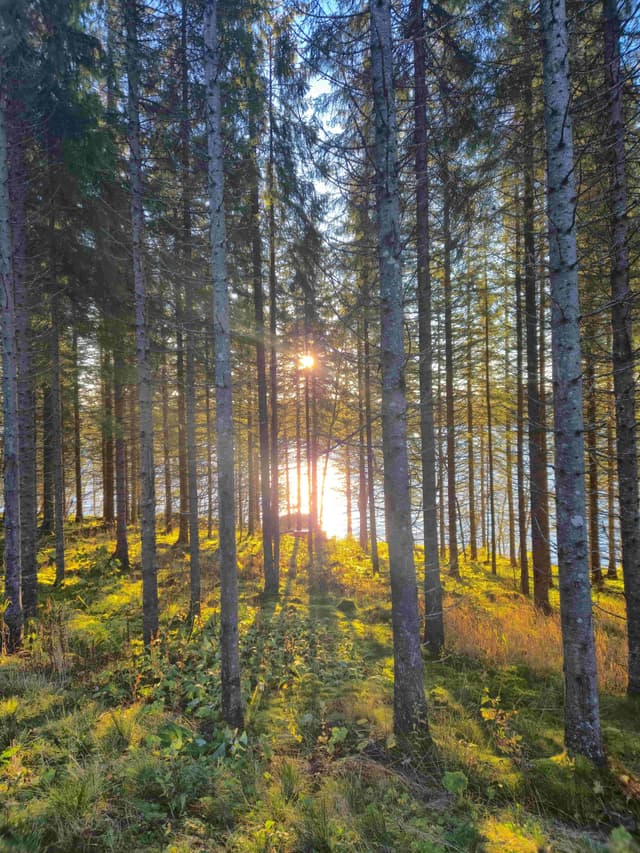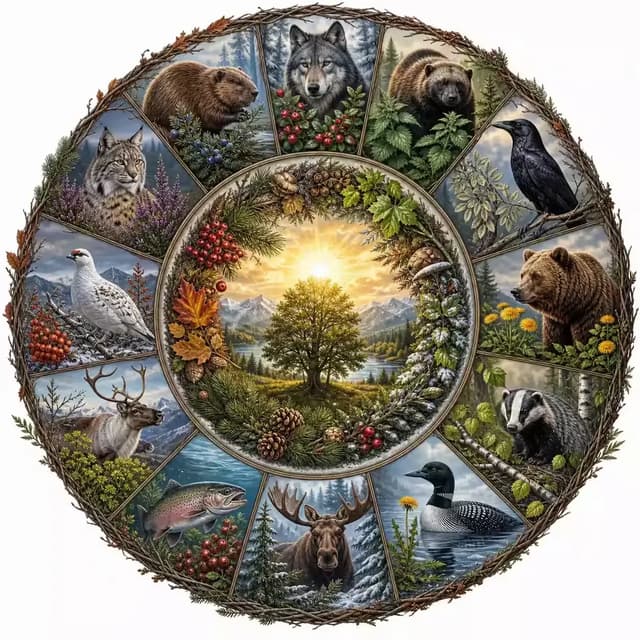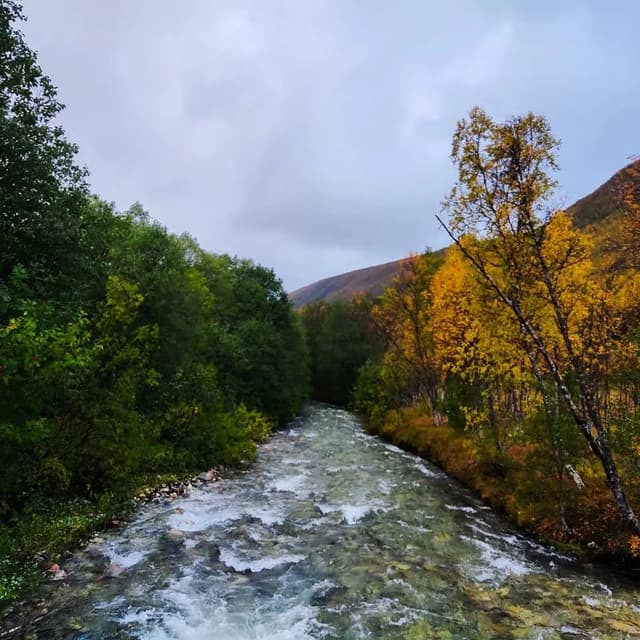
In shamanic tradition, nature has always been regarded as a living, animate entity full of wisdom and guidance. Over millennia, shamans have developed sophisticated methods for interpreting and understanding the signs nature gives us. This practice is deeply rooted in the belief that everything in nature has a spirit or energy, and that we humans are inextricably connected to the natural world around us.
Basic principles for interpreting nature's signs
Animism and the ensoulment of nature
The foundation of shamanism rests on animism - the belief that everything in nature is ensouled. This includes not only animals and plants, but also stones, rivers, mountains, and even weather phenomena. This worldview forms the basis for how shamans interpret signs from nature. When you see nature as living and ensouled, every encounter, every observation, becomes potentially meaningful and symbolic.
Interconnectedness - everything is connected
Another central principle is the understanding that everything in the universe is connected. In shamanic thought there are no coincidences; everything that happens has meaning and is part of a larger pattern. This principle means that even seemingly insignificant events in nature can be interpreted as meaningful signs or messages.
Nature's cycles and rhythms
Shamans are deeply attuned to nature's cycles and rhythms. The changing of the seasons, the phases of the moon, day and night - all these natural cycles are considered significant. Understanding these rhythms is essential for interpreting signs from nature correctly. For example, an animal's behavior can be interpreted differently depending on the season or time of day in which it is observed.
Methods for interpreting nature's signs
Observation and presence
The most fundamental method for interpreting signs from nature is through careful observation and deep presence. Shamans often spend hours, days, or even weeks in nature, observing their surroundings and listening to nature's sounds. This practice sharpens the senses and opens the way to a deeper understanding of nature's language.
Meditation and trance
Many shamans use meditation or trance states to come into contact with nature's spirits and energies. Through these altered states of consciousness, the shaman can receive visions or insights that help them interpret the signs they observe in the physical world.
Dream interpretation
Dreams play an important role in shamanic practice, and many of nature's signs can manifest through dreams. Shamans learn to remember and analyze their dreams, often looking for symbols or messages from nature in the dream imagery.
Rituals and ceremonies
Rituals and ceremonies are often designed to open up communication with nature's spirits. These may include offerings, song, dance, or the use of sacred plants. Through these rituals the shaman seeks guidance and insight into how to interpret the signs they have observed.
Specific nature signs and their interpretations
Animal encounters and power animals
Encounters with animals, whether in the physical world or in visions and dreams, are some of the most significant signs in shamanic practice. Each animal is considered to have its own unique energy and teaching.
Eagle: Often interpreted as a sign of spiritual insight, freedom, and connection with the divine.
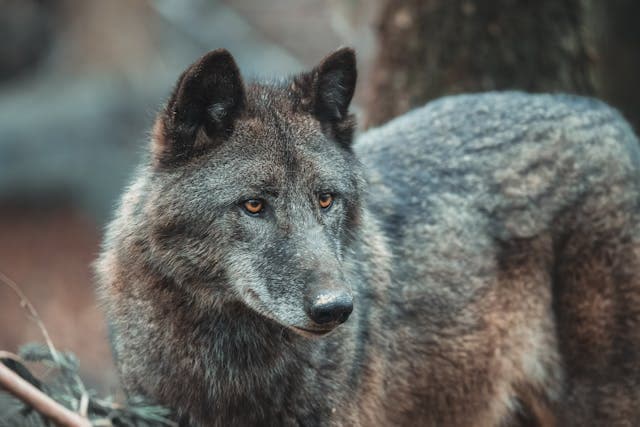
Wolf: Symbolizes loyalty, instinct, and cooperation.
Bear: Represents strength, introspection, and healing.
Raven: Often seen as a messenger between worlds, symbolizing transformation and magic.
It is important to note that interpretations can vary depending on cultural context and personal experience. A shaman will also take into account the animal's behavior, the timing of the encounter, and other circumstances when interpreting the meaning.
Plant encounters and communication
Plants play a central role in shamanic practice, not only for their healing properties but also as sources of wisdom and guidance.
Trees: Regarded as wise beings with deep roots in the earth and branches reaching toward the sky. Communicating with trees can provide insight into balance and grounding.
Flowers: Can symbolize beauty, the fleeting nature of life, or specific emotional or spiritual states.
Shamans often learn to "listen" to plants through meditation or by ingesting them as medicine. They may receive messages about healing, guidance in life, or warnings of coming challenges.
Weather phenomena and the elements
Weather and the natural elements are powerful signs in shamanic practice.
Thunder and lightning: Often interpreted as signs of divine presence, transformation, or an awakening.
Rain: Can symbolize purification, fertility, or emotional healing.
Wind: Often seen as a carrier of messages or as a sign of change.
Sunshine: Can represent clarity, enlightenment, or positive energy.
Shamans learn to read these signs in connection with other observations and personal or communal circumstances.
Stones and crystals
In shamanic tradition, stones and crystals are considered living beings with their own consciousness and energy.
Quartz: Often used for healing and to amplify energy.
Amethyst: Associated with spiritual insight and protection.
Tourmaline: Used for protection and to ground energy.
Shamans may receive messages or guidance through meditation with stones, or by observing how stones present themselves in nature.
Methods and tools of interpretation
Intuition and feelings
One of the most important tools for interpreting nature's signs is the shaman's own intuition. Through years of practice and experience, shamans develop a deep trust in their intuitive senses. They learn to distinguish between personal projections and genuine insights from nature.
Symbolic thinking
Shamanic practice involves a highly developed form of symbolic thinking. Shamans often look for patterns and connections between different signs and symbols. For example, repeated encounters with a particular animal, combined with specific weather conditions and dream imagery, can be interpreted as a coherent message.
Drum journeys and vision quests
Drum journeys are a technique in which the shaman uses rhythmic drumming to enter an altered state of consciousness. In this state the shaman can "travel" to other worlds to seek guidance and insight. The vision quest, often undertaken alone in nature over extended periods, is another method for receiving and interpreting signs from nature.
Oracle methods
Some shamans use various forms of oracles to supplement their interpretations of nature's signs. Not all of these traditionally belong to shamanism:
Runes
Tarot cards
I Ching
The casting of bones or amulets
These methods are often used in combination with direct observations and intuitive insights to provide a more nuanced interpretation of nature's signs.
Challenges and pitfalls in interpreting nature's signs
Over-interpretation
A common pitfall is to over-interpret signs, to see meaning in every little detail. Experienced shamans learn to distinguish between significant signs and random events.
Cultural context
Interpretations of nature's signs can vary considerably between different cultures and traditions. What is considered a positive sign in one culture may have an entirely different meaning in another. Shamans must be aware of their own cultural background and how it influences their interpretations.
Personal projections
It can be challenging to distinguish between genuine signs from nature and one's own desires, fears, or expectations. Shamans often spend long periods of training and self-reflection learning to recognize and minimize personal projections.
Ethical considerations
In interpreting nature's signs, ethical questions often arise. For example:
How do you balance respect for nature's autonomy with the desire to receive guidance?
How do you avoid manipulating or harming nature in the search for signs?
How do you convey interpretations to others in a responsible way?
Experienced shamans often emphasize the importance of maintaining deep respect and humility toward nature in their interpretive practice.
Practical application of nature's signs in modern life
Personal growth and self-understanding
Learning to interpret nature's signs can be a powerful tool for personal growth and self-understanding. It encourages greater awareness of one's surroundings and can lead to deeper insight into one's own patterns and challenges.
Environmental awareness and sustainability
Shamanic practice, with its focus on interconnectedness and respect for nature, can contribute to greater environmental awareness and a more sustainable lifestyle. Learning to "listen" to nature can lead to a deeper understanding of ecological relationships and motivate environmentally friendly actions.
Healing and well-being
Many people find that engaging with nature in a more conscious way, inspired by shamanic practices, can have significant health benefits. These can include reduced stress, greater mental clarity, and a sense of belonging to something larger than oneself.
Creativity and problem-solving
Learning to interpret nature's signs can stimulate creative thinking and intuition. Many artists, writers, and innovators have found inspiration in nature and in shamanic practices.
Integrating shamanic understanding of nature into modern life
Daily practice
Simple daily practices can help integrate the shamanic understanding of nature into modern life:
Daily nature observations
Short meditations outdoors
Journaling dreams and nature encounters
Conscious presence in nature, even in urban environments
Balancing traditional and modern knowledge
Many modern practitioners find ways to balance traditional shamanic wisdom with scientific understanding. This can involve:
Studying ecology and natural science alongside shamanic practices
Exploring how modern technology can support, rather than replace, direct experiences of nature
Integrating shamanic insights into modern health practice and psychology
Community engagement and environmental activism
Many who practice the shamanic understanding of nature find that it leads to a deeper commitment to environmental protection and social change. This can manifest as:
Participation in environmental organizations
Organizing nature-based community activities
Working to protect natural areas and Indigenous rights
References
1 https://www.sjamanforbundet.no/artikler/sjamanisme-og-naturforbindelse
3 https://www.sjamanforbundet.no/artikler/sjamanismens-rolle-i-miljobevegelsen
4 https://www.sjamanforbundet.no/artikler/forbindelsen-mellom-mennesket-og-dyreander
5 https://no.shamanicsupply.co.uk/pages/the-history-of-shamanism
6 https://www.sjamanforbundet.no/artikler/hva-betyr-det-a-se-kraftdyr-i-en-reise-eller-i-dromme
7 https://medium.no/spirituell-utvikling/skogsbad-er-var-viktigste-medisin/