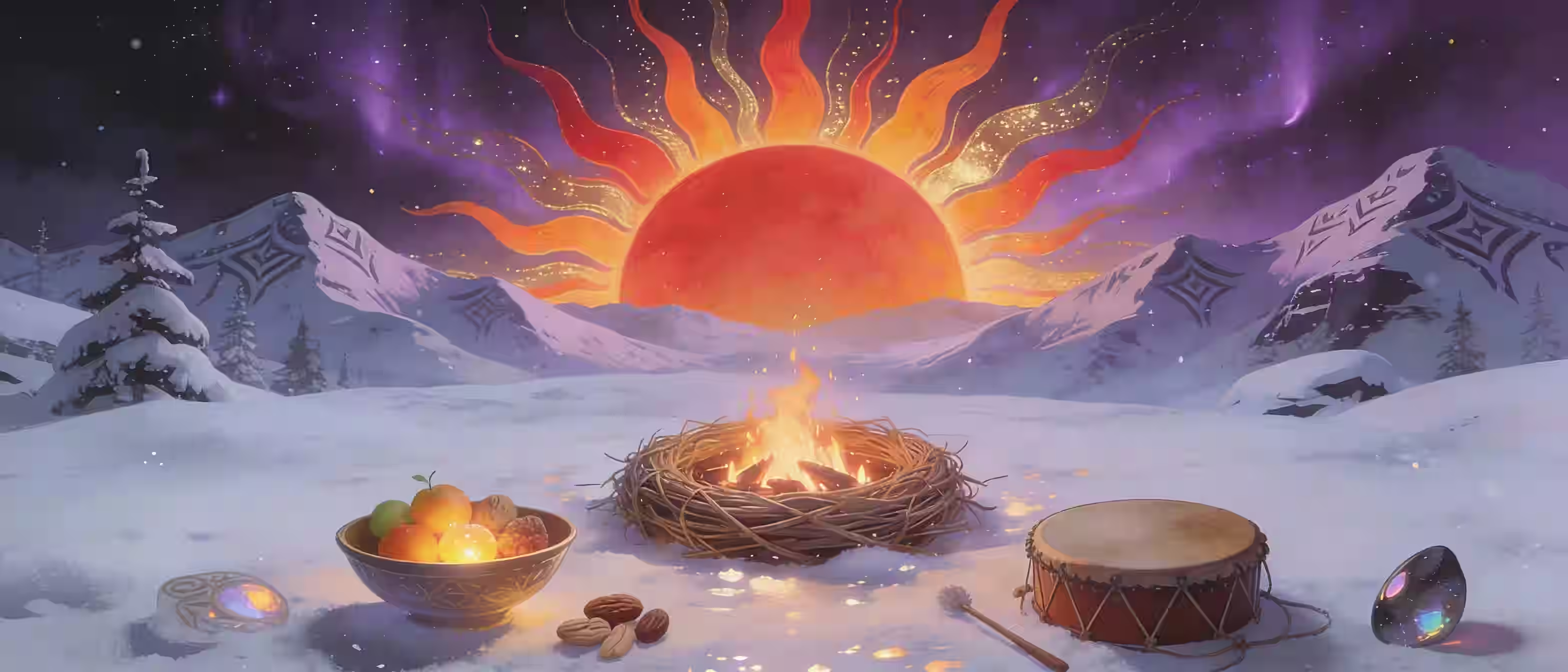
The sacred fire is a symbol deeply rooted in our soul. It may flicker, but it never goes out. In many ceremonies, the fire is used to help us in healings, and it holds much teaching. It is a tool for personal growth on our path. Just consider how we humans gain an inner sense of calm and peace before a fire in the forest or before the hearth at home.
In special ceremonies the fire is kept alive for four days and four nights. This represents the four directions, the four elements, the four seasons and the four medicines.
Before a ceremonial fire is lit, chosen people are asked to be fire keepers. This means they take responsibility for keeping the fire alive for 24 hours over four days. A fire keeper takes on the responsibility and the honour of keeping the fire alive throughout the entire ceremony. This is often divided into 8-hour shifts. Food and drink are brought to them by other volunteers. This fire must not go out and is continually fed with wood (the Standing People). The Standing People have given their lives to become a part of the ceremony. When the wood is gathered, tobacco is offered in thanks, and one asks permission from the tree's soul to be allowed to use it.
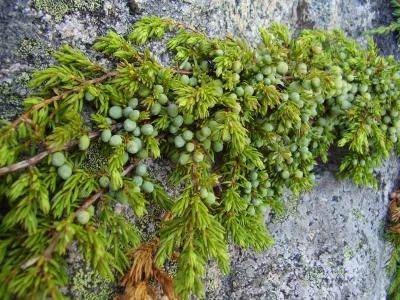
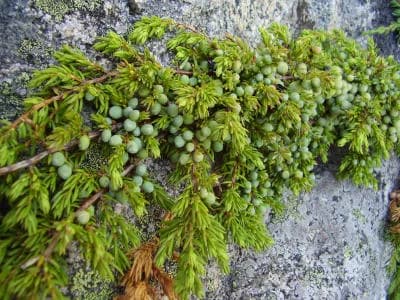
When preparing a ceremonial fire, you place sage or cedar on Mother Earth (or juniper; here in the Nordic countries juniper has a long tradition. An old witch's saying goes: To the bird cherry you raise your hat, the juniper you greet; always ask the juniper tree for permission before taking anything from it). On top of this you place the wood together with birch bark for kindling (do not use paper). Before lighting the fire you offer tobacco, sage or smudge by laying it on the wood. You do this in prayer for healing for yourself and for those who are unable to take part in the ceremony.
The fire is then lit in the east to symbolise a new beginning. From now until the fire has gone out, it is treated with deep respect. Rubbish or cigarette butts are not thrown into the fire. Nor should one spit into the fire. While the fire burns, people will come to it for prayer and offering. You may hold a healing circle where people share their prayers or stories. Pipe ceremonies, drumming and dance are also part of such a ceremony.
A closing ceremony is held when the four days are over; normally the fire is allowed to burn out on its own. During the ceremony many spirits will come to the fire, and used rightly it is a source of great learning.