Historical Background
Celtic paganism refers to the pre-Christian religion practiced by Celtic peoples in Europe. The Celts spread across a wide area that included present-day Ireland, Scotland, Wales, England, France, Spain, and parts of Central Europe. Their religious practice was characterized by a rich mythology, complex rituals, and a deep reverence for nature.
Well-known deities from the Celtic pantheon include Dagda, the god of agriculture and magic; Brigid, the goddess of poetry, smithcraft and healing; and Lugh, the god of war with many skills. Druids, who were the priesthood in Celtic society, played a central role in religious ceremonies, the justice system and education.
Mythology and Rituals
Celtic mythology is rich in stories of heroic warriors, mighty gods and goddesses, and mysterious beings such as fairies and spirits. Texts such as "Lebor Gabála Érenn" (The Book of Invasions) and "Táin Bó Cúailnge" (The Cattle Raid of Cooley) are some of the most important sources for our understanding of Celtic mythology.
Rituals in Celtic paganism were often connected to the cycles of nature, including the solstices and equinoxes, as well as four main festivals known as the Celtic fire festivals: Samhain, Imbolc, Beltane and Lughnasadh. These rituals could include offerings, prayers, and various forms of divination.
Revitalization of Celtic Paganism
The modern revival of Celtic paganism, often known as Celtic reconstructionism, began to take shape in the 20th century as part of a broader interest in reviving pre-Christian European religions. This movement is characterized by a desire for authenticity and historical accuracy, with many practitioners studying ancient texts and archaeological finds to inform their practice.
Modern Practice
Modern Celtic paganism is diverse and can include a range of different approaches, from strict reconstructionists to more eclectic practitioners. Some of the most important elements of modern practice include:
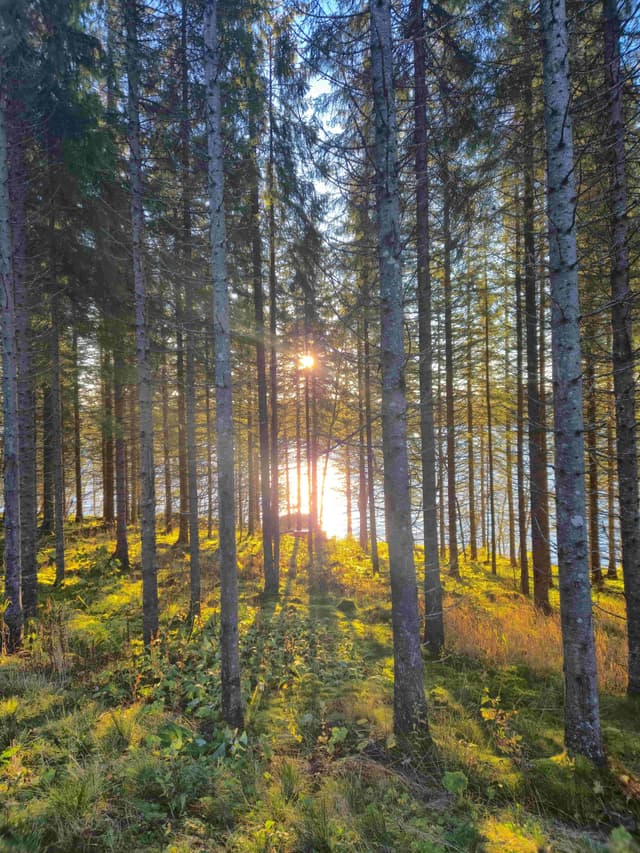
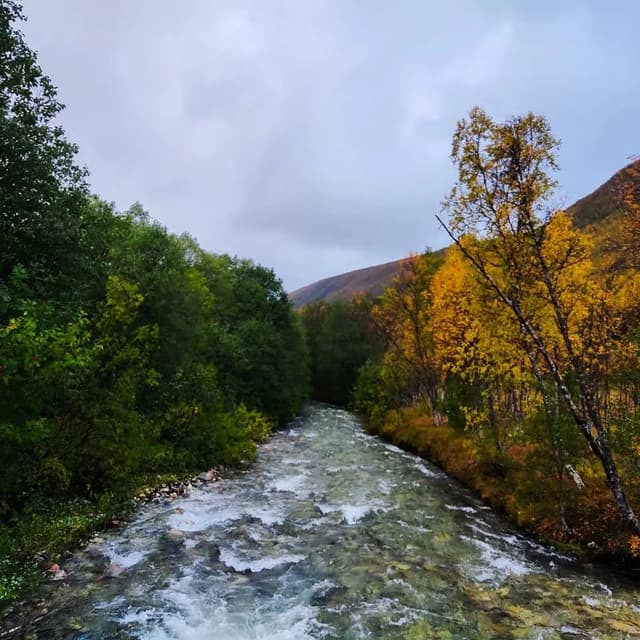
Nature worship: Many Celtic pagans worship nature and regard it as sacred. This can include rituals performed in forests, by rivers, and on mountaintops. Goddess worship: Brigid, perhaps the most popular of the Celtic deities in modern times, is celebrated especially at Imbolc, which marks the beginning of spring. Festivals: The four fire festivals are still celebrated, often with bonfires, dance and music. Druidry: Modern druids follow the tradition of the ancient druids, focusing on wisdom, conservation of nature, and spiritual guidance. Organizations and Communities
Several organizations have played a key role in the revitalization of Celtic paganism:
Order of Bards, Ovates and Druids (OBOD): One of the most influential druid orders, founded in 1964, which offers a comprehensive study course in druid practice. Druid Network: An international network that promotes the understanding of druidry and supports druid communities around the world. Celtic Reconstructionist Paganism: A movement that focuses on reviving authentic Celtic rituals and beliefs, based on historical and archaeological sources. British Druid Order (BDO): Founded in 1979, the BDO has been central to the revitalization of Celtic paganism in Britain, offering a wide range of resources, courses and ceremonies for both beginners and experienced practitioners.
British Druid Order (BDO)
The BDO has played an important role in making Celtic paganism accessible to a wider audience. The organization emphasizes environmental conservation, personal spiritual growth, and respect for ancient traditions. They offer courses covering various aspects of druid practice, including history, mythology and practical rituals.
The BDO also arranges open ceremonies and festivals, giving members the opportunity to experience community and take part in shared celebrations. Through their work, the BDO has helped bridge the gap between the Celtic traditions of the past and modern spiritual practice.
Philip Shallcrass
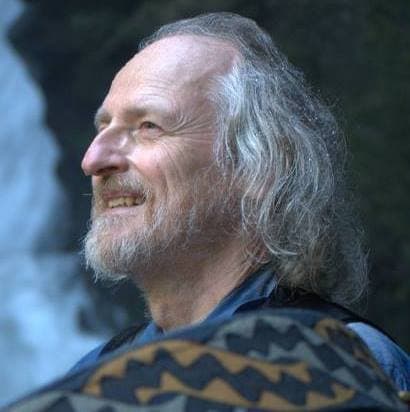
Philip Shallcrass (pictured), also known as Greywolf, is one of the most influential figures in the British Druid Order. He is one of the founders and has served as the organization's chief for many years. Shallcrass has been central to shaping the BDO's philosophy and practice, and has worked to make druidry relevant to modern people.
Shallcrass is known for his work in reviving and conveying Celtic and druidic knowledge through books, music and teaching. He has written several books on druidry and Celtic spirituality, and has been an active participant in promoting an environmentally conscious and inclusive form of druidry. His leadership has helped the BDO grow and attract an international membership.
Challenges and the Future
The revitalization of Celtic paganism faces several challenges, including the need to balance historical accuracy with modern relevance. There is also an ongoing debate about cultural ownership and authenticity, especially among descendants of the original Celtic peoples.
Despite these challenges, Celtic paganism continues to grow and attract new practitioners. The movement plays an important role in preserving and passing on Celtic cultural heritage, and offers a meaningful spiritual path for many people in today's world.
The revitalization of Celtic paganism represents a deep connection to the past and a living adaptation to the present. Through the celebration of nature, the study of ancient texts, and participation in shared rituals, modern Celtic pagans continue to keep alive one of Europe's oldest and richest religious traditions. Organizations such as OBOD, the Druid Network and the BDO play a crucial role in this revitalization, ensuring that Celtic paganism remains a living and relevant spiritual practice in the 21st century. Philip Shallcrass' contribution as a leader and visionary in the BDO has been especially important in shaping and promoting this movement.