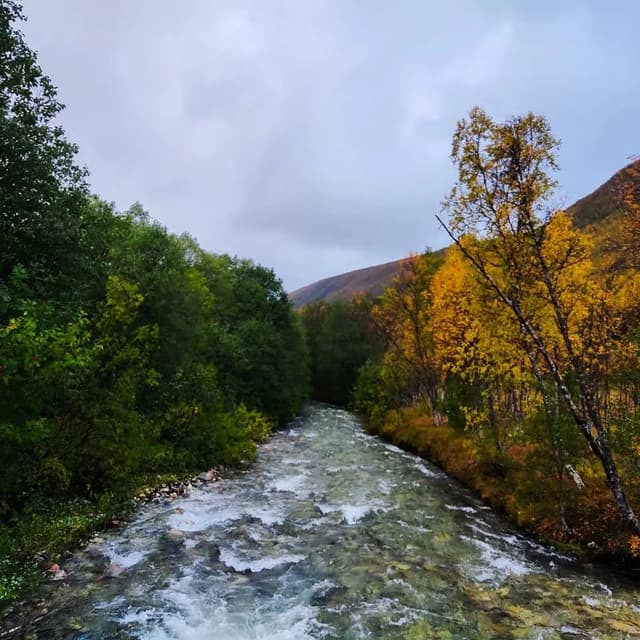
In the cold wind that sweeps across the mountains of Iceland, where the lava still whispers secrets from the earth's interior, a story began that stretched across sea and time. King Harald Bluetooth, the Danish ruler with ambitions greater than the North Sea, sent a sorcerer out on a spying mission. The man transformed himself into a whale and swam toward the coast of Iceland, ready to map the land for a coming invasion. But as he approached the northwest coast, the air filled with an invisible force. Mountains and hills filled with landvættir – some small as mice, others large as trees – and they stared at the strange creature with eyes that glowed in the darkness.
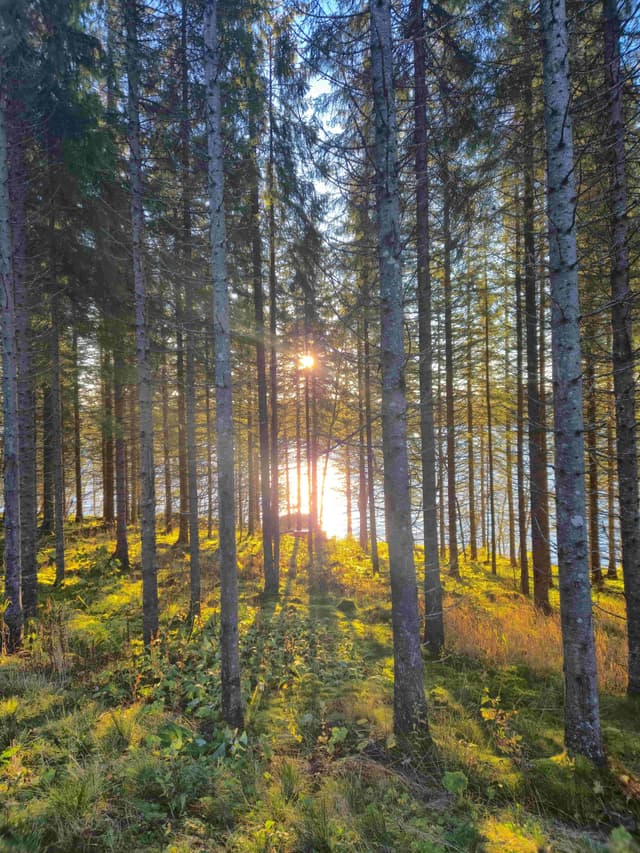
This tale, recorded by Snorri Sturluson in Heimskringla, is not merely a saga episode; it is a window into the Norse worldview in which the earth was not dead stone and soil, but living, pulsing beings that guarded their realm with both goodwill and rage. The landvættir, these land spirits or land wights, were tied to specific places – mountains, rivers, hills and stones – and their well-being determined whether the land bore fruit or turned to barren waste. Let us wander along the path of the sagas, where stories blend with belief, and hear how these invisible guardians shaped the lives of Norwegians and Icelanders.
Gaping heads and the wrath of the land
Picture a longship gliding over the waves toward an unknown coast. On the prow stands a dragon's head, its mouth wide open in a menacing grin, its eyes painted red. For Norse sailors this was a symbol of strength, but Úlfljótslǫg, the early heathen laws of Iceland, warned against it. "Men should not take ships to sea with carved figures on the stern," it stated, "and if they did, they had to remove them before they came in sight of land, and not sail toward land with gaping heads so that the landvættir would be frightened."
This law shows how the landvættir were seen as sensitive guardians, afraid of humanity's artful, threatening symbols. In Eyrbyggja saga, Þórólfr Mostrarskegg sets aside a skerry called Dritsker – "Dung Skerry" – to keep human waste away from the sacred Helgafell, where elves, often identified with landvættir, dwelt. Pollution was not merely unhygienic; it was an insult to the spirits of the earth. These stories from Landnámabók and the sagas paint a picture of landvættir not as passive forces of nature, but as active agents who could punish the careless. They were tied to fertility: a farmer who offended them risked failed harvests, empty byres and inexplicable misfortunes.
Harald's whale and the four guardians
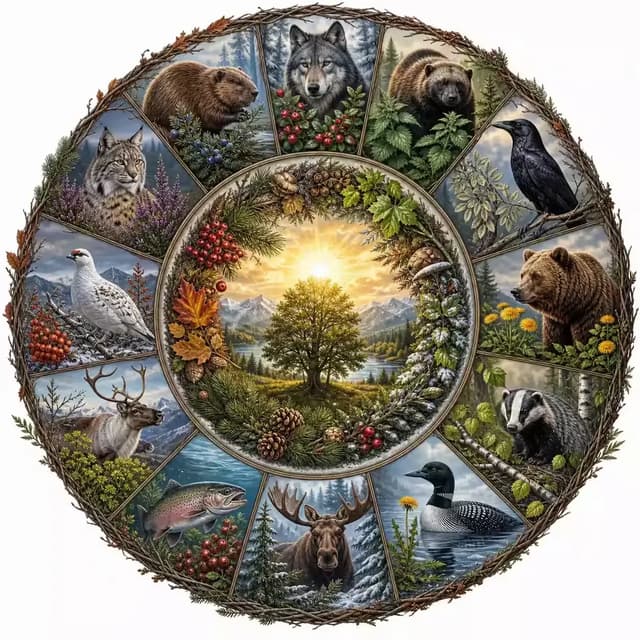
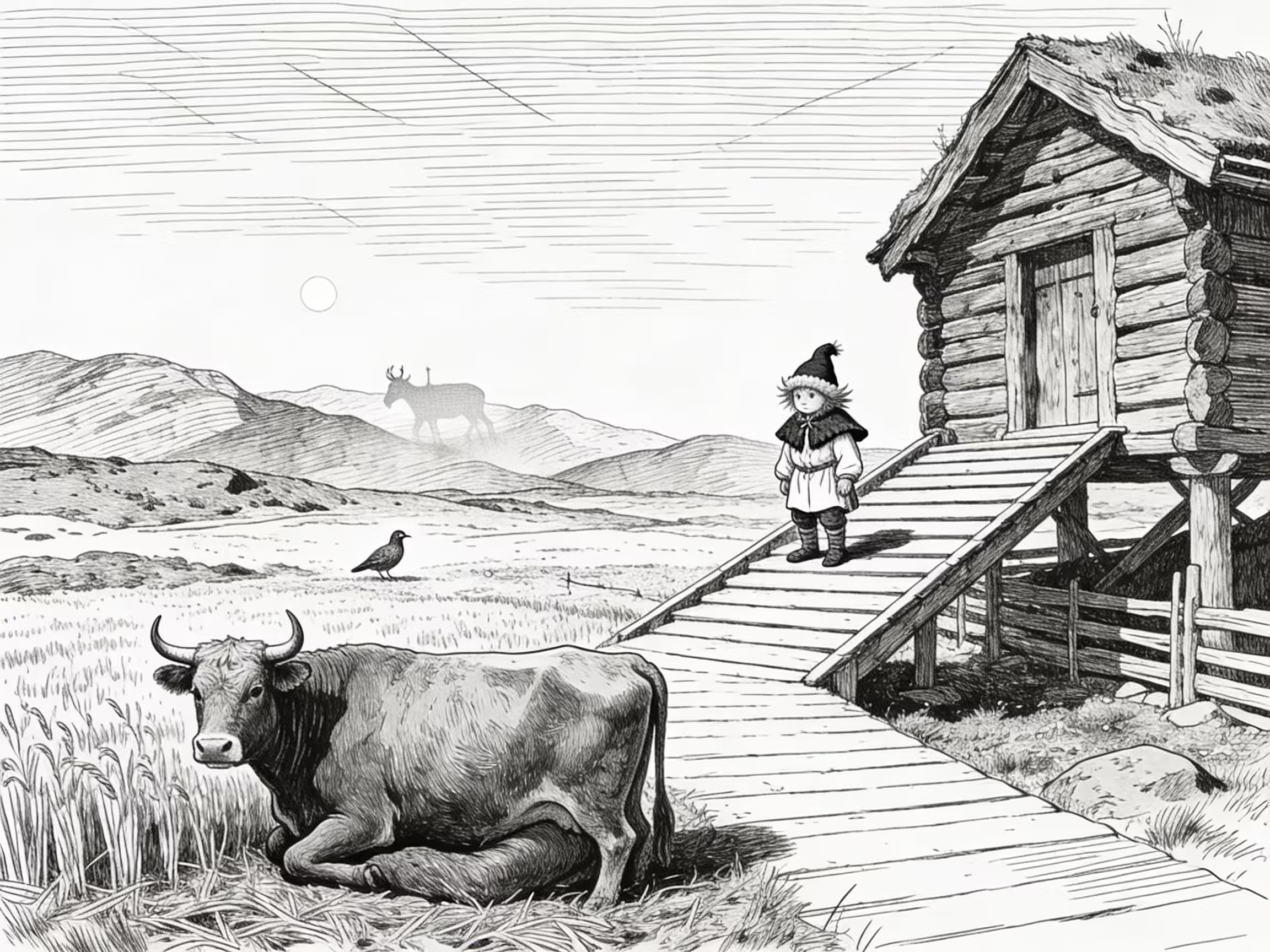
Back to the sorcerer from Heimskringla. After being driven from the northwest coast by numerous landvættir, he swam onward toward the east. There he met an enormous dragon, Dreki, followed by serpents, toads and lizards that breathed poison at him. In the north waited the eagle Gammur, a giant bird with wings that shadowed the sun, surrounded by its smaller companions. In the southwest came the bull Griðungur, bellowing with horns like mountain peaks, followed by more landvættir. Finally, in the southeast, a mountain giant with an iron staff rose up from the earth, led by jötnar.
These four – dragon, eagle, bull and mountain giant – later became the symbol on Iceland's coat of arms, where they stand as shield-bearers and protect the nation. Snorri Sturluson, the Icelandic historian from the thirteenth century, probably drew on Christian symbolism from the four evangelists to give the story power, but the core is older: landvættir as national guardians. The sorcerer returned to Harald and advised against the invasion; "I dare no more," he said, injured and horrified. Iceland remained free, thanks to the spirits of the landscape.
In Egils saga, Egil Skallagrimsson displays the power of the landvættir in a darker way. In Norway he raises a níðstöng – a horse's head on a pole – directed against Erik Bloodaxe and Gunnhild, and bids the landvættir to find no way home until they have driven the couple out of the land. The next year Erik and Gunnhild flee to England. Was it coincidence? The saga leaves it hanging in the air, but the message is clear: the wights could be turned against enemies.
The pact-makers of fertility in stone and mountain
Not all encounters with landvættir ended in conflict. In Landnámabók, the Icelandic Book of Settlements from the twelfth and thirteenth centuries, we find stories of cooperation. Björn, a man who fled from a lava flow with few goats left, made an agreement with a bergbúi – a "mountain dweller" often regarded as synonymous with landvættir. Soon a buck appeared, mated with the goats, and Björn grew rich in livestock. Those with so-called second sight could see the landvættir walking at his side.
Landnámabók, which lists 435 settlers and their descendants, is a goldmine for such stories. The settlers Ingólf and Hjörleif sailed from Norway to Iceland around the year 870. Ingólf often offered blót to the spirits, while Hjörleif did not. Hjörleif was killed by his thralls at Hjörleifshöfði, and no one dared live there afterward – the landvættir refused it. Ingólf sacrificed and prospered. These tales underscore a belief that landvættir dwelt in stones, mountains and hills, and demanded respect in order to grant fertility.
Women carried food to stone heaps or flat stones, hopeful for prosperity in exchange, as described in Heimslýsing ok Helgifrœði in Hauksbók. Such offerings were widespread: settlers gave gifts to waterfalls and sacred groves, as in Landnámabók. In Þorvalds þáttr viðfǫrla and Kristni saga, the farmer Koðrán had a partnership with a spámaðr or ármaðr in a stone – probably a landvættir – until it was driven out with holy water by a bishop.
From heathen belief to Christian condemnation
With Christianity came the end of open belief in the wights. The Gulating Law, Norway's oldest law from the tenth century and written down in the thirteenth, forbade the belief that "mounds, groves or waterfalls were inhabited by landvættir," calling it delusion and heathenism. The law, given at the Gulating west of Bergen, shows that the belief lived on in Norway long after Olaf Tryggvason's missionary work around the year 1000.
The homily Heimslýsing ok Helgifrœði condemned women's offerings as folly. Yet the belief survived in folklore: in Norway the landvættir became the huldrefolk, in Sweden and Denmark the väsen. The Landdísasteinar in northern Iceland were respected into the nineteenth century – no one cut grass or let children play near them. Scholars connect them to elves, dwarves and landdísir, all tied to stone and earth.
Landnámabók, with versions such as Sturlubók (1275–1280) and Hauksbók (early fourteenth century), preserves these traditions, even though they were written in a post-Christian era. Ari Þorgilsson may have written an early version, based on genealogies from assemblies. Historians such as Gunnar Karlsson point to biblical parallels, like Hrafna-Flóki and Noah's ravens, but the core stories agree with other sources.
Modern echoes in Nordic spirituality
Today the landvættir live on. Iceland's coat of arms shows the four guardians, and they adorn the króna coins. In modern heathenry, such as Ásatrúarfélagið, they are honored as place-bound spirits that ensure the land's safety and fertility. Jörmundur Ingi Hansen, former high priest, describes them as tied to "an enormous rock, mountain or a particularly beautiful place."
Research shows that the landvættir had no mythological role in the Eddas – they are absent there – but were the everyday heroes of folk belief. They were neither dead nor pure nature spirits; some lived in uninhabited land. In Norway the echo lives on in folk belief in wights of forest and water.
A living earth
The landvættir remind us of a time when Norwegians did not own the land – they negotiated with it. From the sorcerer's flight to Björn's herd of goats, from the curse of the níðstöng to the prohibition of the Gulating Law, the story is shaped by invisible bonds between people and landscape. In a world of urbanization and climate change, they still whisper: respect the place, or pay the price. More than 1500 years later they stand on Iceland's shield, a reminder that the earth guards itself.
Source criticism
Snorri Sturluson wrote as a Christian in the thirteenth century and may have shaped the stories of the landvættir with biblical symbolism (e.g. the four guardians), which must be weighed in interpretation. The article's narrative style and the echo section (from "Modern echoes" onward) are interpreted in part from a shamanic perspective, inspired by place-bound spirits in indigenous traditions.
Sources
Heimskringla by Snorri Sturluson (c. 1220–1230): Primary source for the story of King Harald Bluetooth's sorcerer and the four landvættir in Iceland.
Landnámabók (versions such as Sturlubók c. 1275–1280 and Hauksbók early fourteenth century): Book of Settlements with stories of landvættir, settlers such as Ingólf and Björn, and interactions with bergbúar.
The Gulating Law (oldest parts c. tenth century, written down thirteenth century): Norwegian law that forbids belief in landvættir in mounds, groves and waterfalls.
Eyrbyggja saga and Egils saga: Sagas with examples of respect for landvættir (Helgafell) and the níðstöng against landvættir.
Úlfljótslǫg (early Icelandic laws): Prohibition of gaping ship-heads to avoid frightening the landvættir.
Wikipedia overviews (based on primary sources): "Landvættir" and "Landnámabók" for context and references to the sagas