Herbs have played a central role in magical and healing practices in the Nordic countries for centuries. This tradition encompasses not only Norway, Sweden, Denmark, and Finland, but also Indigenous groups such as the Sami, the Kven, and the Forest Finns. These groups all have rich traditions of using herbs for both medicinal and magical purposes.
Nordic herb magic In the general Nordic tradition, herbs were often associated with both everyday and magical purposes. St. John's wort (Hypericum perforatum), known for its ability to ward off evil spirits and protect against witchcraft, was often hung over doors and windows or burned as incense to cleanse the home. Valerian (Valeriana officinalis) was known for its calming properties and was used in protective magic against evil forces.
Meadowsweet (Filipendula ulmaria) was used as a painkiller and in rituals to promote love and fertility. The plant was sacred to Norse goddesses such as Frigg, and its use in rituals was intended to invoke their favour. A more recent addition to the traditions is chaga (Inonotus obliquus), a fungus known for its healing properties, which has also found its place in modern Nordic herb magic on account of its purported ability to strengthen the immune system and protect against illness.
Sami tradition Sami culture, which spans Norway, Sweden, Finland, and Russia, has a deeply rooted use of herbs in both medicinal and spiritual contexts. Tansy (Tanacetum vulgare) is a plant that the Sami have traditionally used to protect against evil spirits and illness. It was often used in incense or placed under the pillow to ward off nightmares.
Garden angelica (Angelica archangelica) is another important herb in Sami tradition. This plant holds great significance as both food and medicine, but also in ritual. Angelica was seen as a sacred plant that could bring health and strength to those who used it.
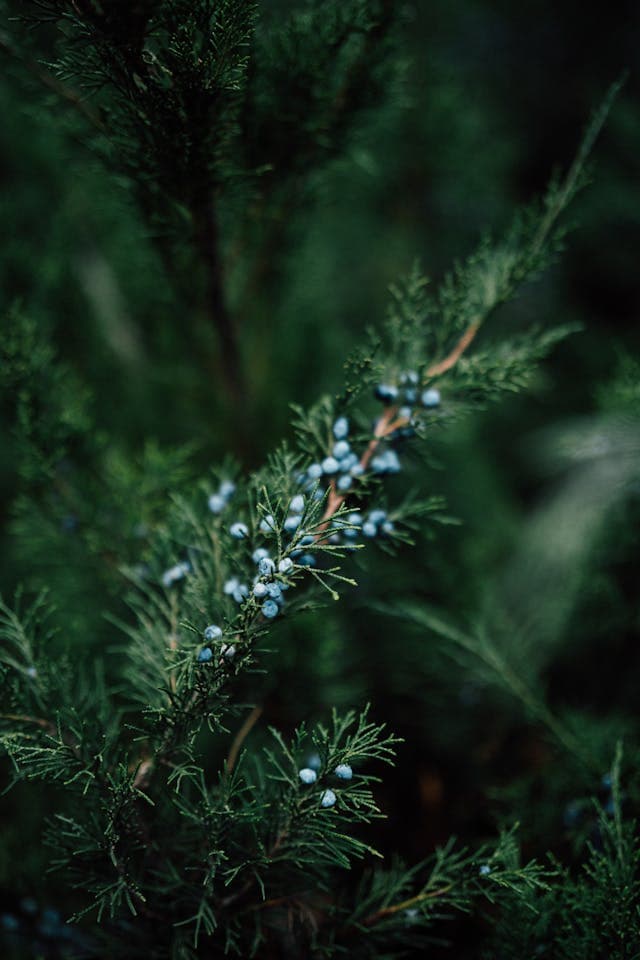
Juniper (Juniperus communis) is another herb with deep roots in Sami culture. Juniper berries were used in incense to cleanse the home and protect against illness, and were often used in rituals to ensure health and prosperity.
Kven tradition The Kven, an ethnic minority in Northern Norway, also have long traditions of using herbs. Juniper (Juniperus communis) was an essential plant for the Kven, used both to cleanse the air and as a healing herb. Juniper berries were often used in incense to cleanse the home and protect against illness.
Birch (Betula spp.) was another important plant in Kven tradition. Birch sap was used as a tonic to promote good health, and birch twigs were used in rituals to drive away evil spirits and bring good fortune.
Forest Finn tradition The Forest Finns, another minority with roots in Finland, also have rich herbal traditions. One of the most widely used plants in Forest Finn magic is yarrow (Achillea millefolium). Yarrow was used to stop bleeding and heal wounds, but also in love magic. Yarrow flowers were often placed under the pillow to dream of one's future spouse.
Alder (Alnus spp.) was associated with protection and healing. The bark of the alder was often used in salves to relieve skin conditions, and incense made from alder bark was used in rituals to protect the home against evil spirits.
Common elements and modern use Despite regional differences, there are many common elements in the magical use of herbs in the Nordic traditions. Herbs were used not only for their medicinal properties, but also for their symbolic meaning and their ability to influence spiritual forces. Today we see a renewed interest in these traditions, with many turning to herbal medicine and magic as a way of connecting with their cultural heritage and with nature.
In modern times, many combine these ancient traditions with scientific knowledge of herbal medicine, creating a bridge between the wisdom of the past and today's health trends. This not only revives old customs but also gives them new relevance in our time.
The Nordic traditions of the magical use of herbs represent a rich heritage that connects us with nature and the wisdom of our ancestors. Whether through ritual practice or everyday use, these herbs continue to be an important part of Nordic culture and identity.