Nepalese shamanism is a rich and diverse tradition that has existed in the Himalayan region for thousands of years. This practice is an integral part of Nepal's cultural and spiritual landscape, and still plays an important role in many local communities.
Jhankri - The Nepalese shaman
In Nepal the shaman is often called a "jhankri". The jhankri acts as an intermediary between the physical world and the spirit world, and holds a central role in society as a healer, advisor and spiritual guide.
Forms of shamanism in Nepal
Nepal has several forms of shamanism, which vary between different ethnic groups and regions:
Tamang Shamanism: Practised by the Tamang people and includes rituals for healing and exorcism.
Gurung Shamanism: The Gurung people have their own shamanic traditions, often led by a "paju" or "lama".
Rai Shamanism: The Rai people have a rich tradition with shamans who perform ceremonies to ensure prosperity and protection.
Sherpa Shamanism: Sherpa shamans, known as "lhawa", combine shamanic practices with Tibetan Buddhism.
Key historical and modern figures
Banjhakri: A legendary figure said to have been the first shaman and a teacher of many jhankris. Banjhakri is an important figure in Nepalese folklore and is regarded as a protector and guide for shamans.
Mohan Rai: One of the most prominent figures in modern Nepalese shamanism. Born in 1955 in the Bhojpur district of Eastern Nepal, Rai has dedicated his life to preserving and promoting shamanic traditions. He comes from a long line of shamans and was initiated as a jhankri at the age of seven. Rai holds a master's degree in anthropology from Tribhuvan University in Kathmandu and has founded Himalayan Healers, an organisation dedicated to preserving and sharing shamanic practices. He has led workshops and retreats all over the world and worked to integrate shamanic healing methods with modern medicine.
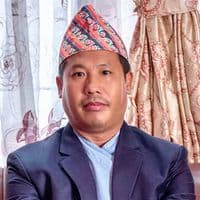
Bal Gurung: Another important modern shaman, known for his work in preserving and passing on shamanic traditions among the Gurung people of Nepal. Gurung has been active in documenting traditional rituals and teaching new generations of shamans. Bal has visited Norway several times.
Practices and rituals
Nepalese shamanic rituals include:
Healing ceremonies: Jhankris use drums, bells and other instruments to achieve states of trance and communicate with the spirits in order to heal illnesses.
Exorcisms: Rituals to drive out evil spirits believed to cause illness or misfortune.
Divination: The use of various methods to predict the future and give advice to the community.
Sacrificial ceremonies: Offerings to nature spirits and ancestors to secure their favour and protection.
Drum journeys: Journeys to the spirit world to retrieve wisdom and power.
Significance in modern times
Despite modernisation and urbanisation, shamanism still plays an important role in many parts of Nepal. Mohan Rai's work has helped to raise awareness of and respect for these traditions, both in Nepal and internationally. Bal Gurung has also been important in preserving shamanic practices among the Gurung people.
Challenges and preservation
Nepalese shamanism faces challenges in the encounter with modern medicine and changing social structures. Through their work, both Mohan Rai and Bal Gurung have been key figures in addressing these challenges, by creating a bridge between the traditional and the modern.
Nepalese shamanism, represented through the work of people like Mohan Rai and Bal Gurung, shows how ancient practices can adapt and remain relevant in today's world, while preserving their essential wisdom and power.