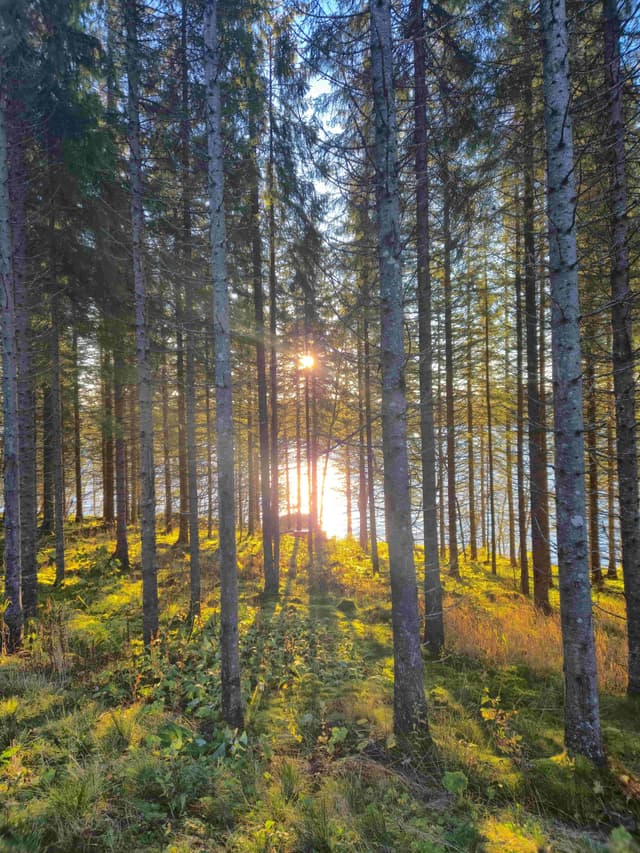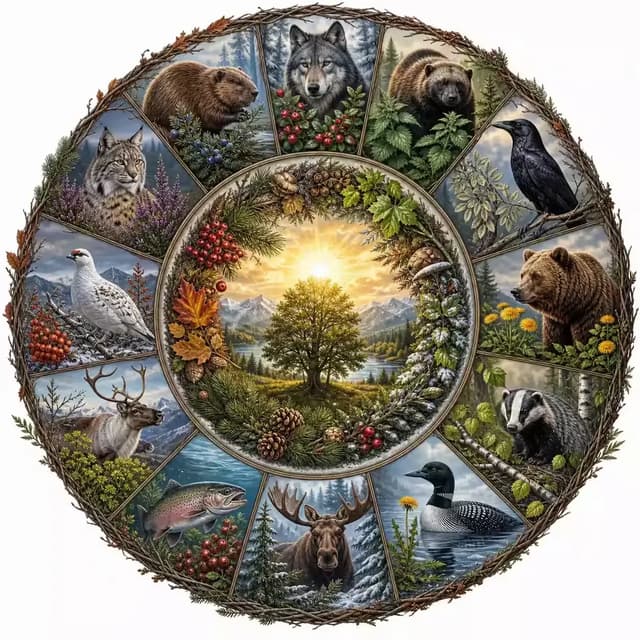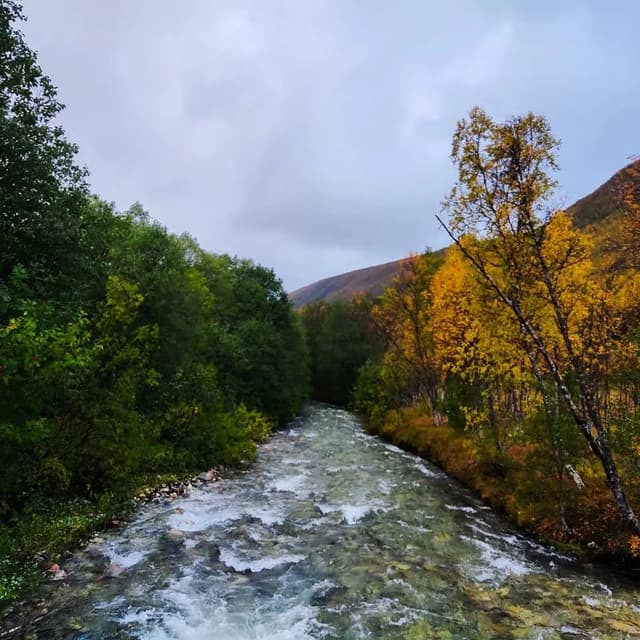
Noaidevuohta, a fundamental part of Sami culture, embraces the spiritual practices and wisdom of the indigenous people, the Sami, who live in the northern regions of Scandinavia, Russia and parts of Finland. Rooted in a deep connection with nature and the spiritual world, Noaidevuohta serves as a guiding force in navigating the complexities of existence for the community. In this article, we will explore the essence of Noaidevuohta, its significance, rituals, and its enduring relevance in modern times.
Origins and Meaning
The term "Noaidevuohta" comes from the Sami language, where "Noaide" refers to the shaman or spiritual healer, and "vuohta" translates to "the practice of" or "the way of." Noaidevuohta embraces a rich diversity of spiritual beliefs, rituals and practices that have been passed down through generations within the Sami community. It represents the interconnectedness of humans, nature and the spiritual world, emphasizing harmony, balance and respect for all living beings.
Spiritual Practices
Central to Noaidevuohta is the role of the Noaidi, the shaman or spiritual leader, who acts as an intermediary between the human and spiritual worlds. Noaidis possess deep knowledge of traditional healing methods, herbal medicine, divination and communication with spirits. Their practices often involve drumming, song and trance-like states induced through repetitive rhythms and rituals.
Drumming and Joik
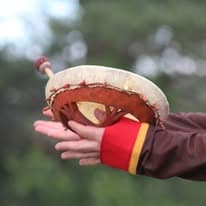
The drum holds significant symbolic meaning in Sami culture and Noaidevuohta. Made from reindeer hide stretched over a wooden frame and adorned with intricate patterns, the drum serves as a portal to the spiritual world. Noaidis use drumming to enter altered states of consciousness, connect with ancestral spirits and seek guidance or healing. The symbols carved or painted on the drumhead represent various elements of the Sami cosmology, including the sun, the moon, the stars, animals and natural phenomena. These symbols serve not only as decorative elements, but also as guides and sources of spiritual power during ritual practices.
Joik, another integral part of Sami culture, is a form of traditional song characterized by its melodic and emotional qualities. Noaidis use joik to evoke the essence of beings, places or experiences, thereby creating a deeper connection with the natural world and ancestral spirits. Joik is not only a musical form of expression, but also a profound spiritual practice that reflects the Sami worldview.
Rituals and Ceremonies
Noaidevuohta encompasses various rituals and ceremonies performed to honor the cycles of nature, mark significant life events and seek spiritual guidance. These rituals often involve offerings to the spirits, purification ceremonies and communal gatherings where stories, songs and wisdom are shared.
Contemporary Relevance
Despite centuries of cultural oppression and attempts at assimilation, the Noaidevuohta traditions persist among the Sami people. In recent years, there has been a growing interest in indigenous spiritual practices, which has led to revitalization efforts and the reclaiming of cultural identity. Noaidevuohta serves as a source of resilience and strength for the Sami community, fostering a renewed pride in their heritage and a deeper connection with the wisdom of their ancestors.
Conclusion
Noaidevuohta stands as a testament to the enduring resilience and spiritual richness of Sami culture. Rooted in a deep reverence for nature and the interconnectedness of all beings, it offers valuable insights into alternative ways of understanding and relating to the world. As the Sami people continue to navigate the challenges of modernity while honoring their traditions, Noaidevuohta remains a guide, lighting the way toward harmony, balance and spiritual fulfillment.