Romuva is a modern revitalization of pre-Christian Baltic religion, originally practiced by the ancient Lithuanians and Prussians before the introduction of Christianity. The movement, which took its name from an ancient Baltic temple known as Romuva, focuses on reviving and practicing ancient rituals, beliefs and values closely connected to nature.
Historical Background The Baltic region, which includes present-day Lithuania, Latvia, and parts of Eastern Poland, had a rich and complex religious tradition before Christianization in the 14th century. This religion was polytheistic and centered on nature worship, with deities such as Perkūnas (the thunder god), Žemyna (the earth goddess), and Laima (the goddess of fate).
Revitalization of Romuva In the 20th century, especially after Lithuania's independence from the Soviet Union in 1991, interest in reviving Baltic paganism began to grow. This movement took the name Romuva, after the ancient Prussian sanctuary that represented an important center of pre-Christian religious practice.
Modern Romuva focuses on reconstructing and practicing the ancient Baltic rituals, celebrations and spiritual traditions. The Romuva movement places great emphasis on harmony with nature, the importance of family, and the integrity of the local community.
Key Figures One of the most prominent figures in the revitalization of Romuva is Jonas Trinkūnas. He was a leading figure in the Baltic neopagan movement and founded the community organization Romuva. Trinkūnas worked tirelessly to revive ancient Baltic traditions and ceremonies, and his efforts have been crucial to the movement's growth and success.
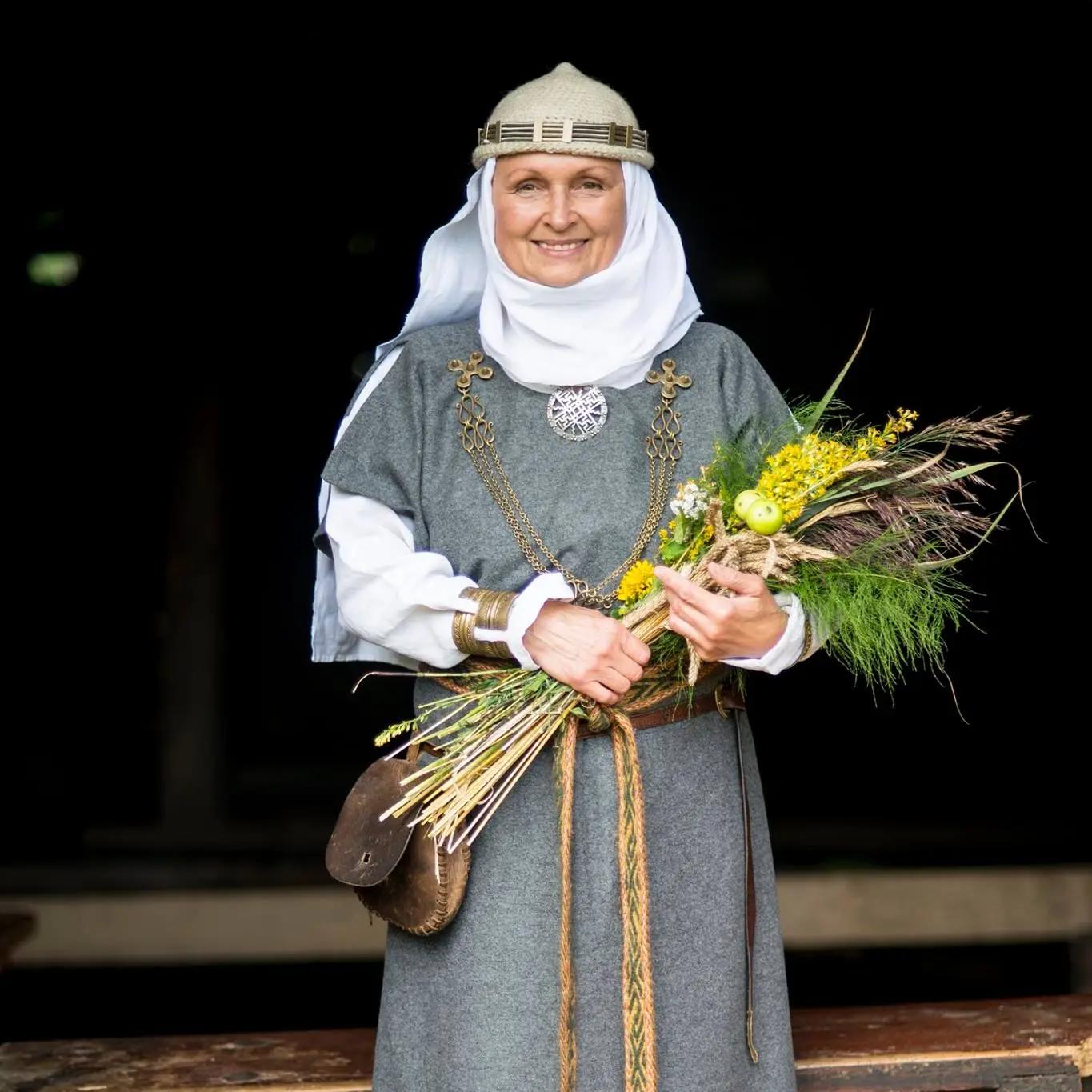
After Jonas Trinkūnas' death in 2014, his daughter, Inija Trinkūnienė (pictured), has continued his work and become a central figure in the movement. She has helped spread knowledge about Romuva both nationally and internationally, and continues to lead ceremonies and rituals.
Romuva and Shamanism Romuva and shamanism share several similarities, despite their different cultural and geographical origins. Both traditions place great emphasis on nature, the spirit world, and the practice of rituals to achieve spiritual balance and harmony.
Nature worship: Both Romuva and shamanism have a deep respect for nature. Romuva celebrations are often tied to agricultural cycles and natural phenomena, similar to shamanic rituals that are often performed in accordance with the rhythms of nature.
Spiritual Beings: Romuva and shamanism recognize the existence of spiritual beings and deities. In Romuva, these gods are often connected to natural forces, such as Perkūnas (the thunder god) and Žemyna (the earth goddess), while shamanism includes spirits that may be ancestors, animals or nature spirits.
Rituals and Ceremonies: Both traditions place great emphasis on rituals and ceremonies. In Romuva, these are often connected to the turning of the seasons and life cycles such as birth, marriage and death. Shamanic ceremonies often include drumming, song and dance to achieve trance and communication with the spirit world.
Healing: Both the Romuva priests (vaidilas) and shamans perform healing rituals. In shamanism, healing is often connected to physical and mental illness through spirit journeys and natural medicines. In Romuva, healing may be more symbolic, but equally important for the health and well-being of the community.
Romuva in Today's Society Today, Romuva plays an important role in preserving and promoting Baltic culture and identity. The movement arranges annual festivals such as Rasos (summer solstice) and Vėlinės (Day of the Ancestors), where participants gather to perform traditional rituals, sing ancient songs, and relive the customs of their ancestors.
Romuva has also gained recognition from the Lithuanian authorities as a legitimate religion, giving it the same legal status as other religious communities. This recognition has strengthened the movement's position and allowed it to grow further. Romuva represents an important revitalization of Baltic culture and religious practice. Through its focus on nature worship, spirituality and community rituals, it shares many similarities with shamanism. Central figures such as Jonas Trinkūnas and Inija Trinkūnienė have been crucial in bringing this ancient tradition into modern society, and their work continues to inspire and guide new generations of Romuva practitioners.