Practical rituals and reflections on ancestral contact, family bonds, and how this can give direction and security in your own life
Roots that carry us
It is said that a tree without roots cannot stand. So it is too with us human beings. We live our lives in the present, but we carry with us the traces of those who came before us, our ancestors. They live in us, in our blood, in our genes, in our memories, and in our stories. Sometimes the connection to our roots is clear and strong, other times unclear or forgotten. But no matter where we come from, there is a power in turning our gaze backward, in listening to the voices of the ancestors and drawing strength from what has been.
In shamanic tradition, contact with ancestors is central. It is not only about remembering the dead, but about drawing wisdom, support, and direction from those who have walked the path before us. The ancestors are not only the past, they are living forces that can give us security when life falters, and show us the way forward when we stand at a crossroads.
Through stories, rituals, and practical exercises, we can open ourselves to this contact. In this article we will explore how conversations with ancestors can give us direction and security, and how we can strengthen the bonds to our roots, wherever we stand in life.
The ancestors' place in shamanism
The ancestors as a living presence
In Western culture we often have a distant relationship with the dead. They are remembered in cemeteries, in photo albums, or on particular anniversaries. In shamanism, by contrast, the ancestors are a part of daily life. They are seen as a living presence, spiritual guides and protectors who accompany us through life.
The ancestors are not only the ones we remember by name and face, but also the unknown, those who lived hundreds or thousands of years ago. Everyone who has contributed to our being here today is part of our family tree. When we open ourselves to the power of the ancestors, we open ourselves to an ocean of experience, wisdom, and love.
Why seek contact with the ancestors?
Many experience that contact with the ancestors gives a deep sense of belonging and meaning. When we know our roots, we stand more firmly in the face of life's challenges. The ancestors can help us understand who we are, where we come from, and what gifts and wounds we carry with us.
Some also experience that the ancestors can help heal old wounds, both personal and ancestral. Perhaps we carry patterns or traumas that have been passed down through generations. By meeting the ancestors with openness and respect, we can find ways to release and transform what no longer serves us.
Ancestors in different traditions
Ancestor veneration is part of many Indigenous traditions around the world. In Sami tradition, contact with the ancestors is a natural part of life. In African, Asian, and American Indigenous traditions there are countless rituals for honoring and communicating with the dead. In Norse and Celtic tradition too, the ancestors were important, they were called upon in rituals, and it was believed that they could intervene in the lives of the living.
In modern Western culture, much of this contact has been lost. But interest in ancestral contact is growing, both within shamanism, psychology, and genealogy. Many seek their way back to their roots in order to find meaning, belonging, and healing.
Practical rituals for ancestral contact
- Ancestor altar – a place for memory and presence
An ancestor altar is a simple but powerful tool for strengthening the connection to your roots. It can be a small table, a shelf, or a corner of the home where you place pictures, objects, candles, or flowers in memory of your ancestors.
Lighting a candle on the altar, laying down a flower, or saying a few words to the ancestors can be a daily or weekly practice. You can ask for advice, give thanks for life, or simply sit in silence and listen. Many experience that such an altar gives a sense of presence and security, as if you have a small anchor to the past in the midst of the present.
- Drum journey to the ancestors
Another central practice in shamanism is the drum journey. By listening to monotonous drumming or rattling, you can enter a meditative state and "journey" to the world of the ancestors. Here you can meet ancestors, both known and unknown, and ask for advice, support, or healing.
Before you begin, you can set an intention: "I wish to meet a forefather or foremother who can give me advice about a challenge I am facing." During the journey you may receive images, feelings, or words that hold meaning for you. Afterward it can be good to write down your experiences, or to draw what you have seen.
- Ancestral walk – walking in the footsteps of the ancestors
A physical way to strengthen the bond to the ancestors is to visit places where they have lived. Perhaps you can take a walk to a childhood home, an old farm, a cemetery, or a place in nature that has been important to your family.
As you walk, you can think of those who walked there before you. What did they dream of? What did they struggle with? What kind of life did they live? By walking in the footsteps of the ancestors, you can feel a deeper connection to both place and family.
- Storytelling – letting the ancestors live through words
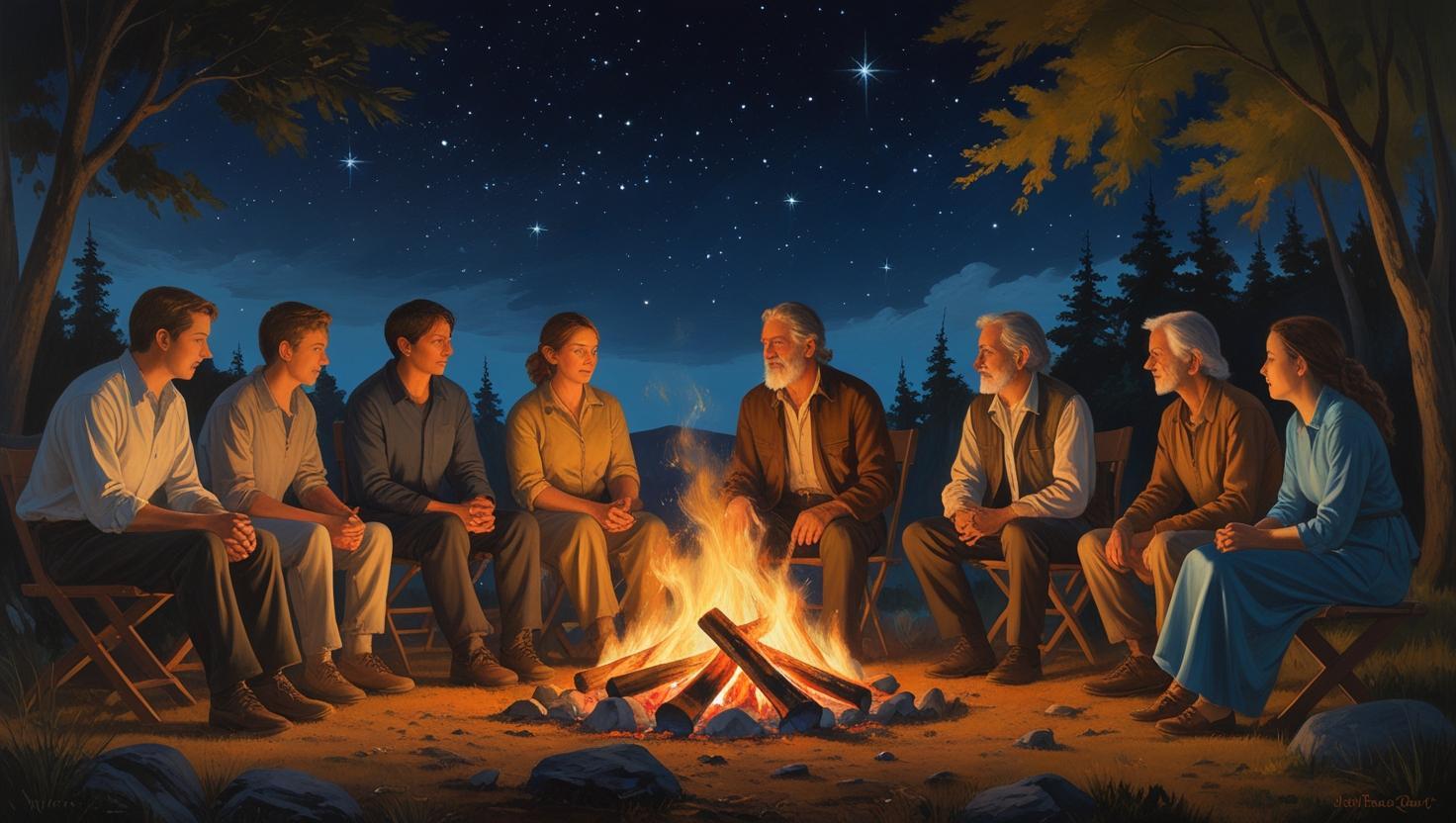
Telling family stories, whether orally or in writing, is a way of keeping the ancestors alive. Perhaps you can gather stories from older relatives, read old letters, or write down your own memories of grandparents and great-grandparents.
Through the stories, you may discover patterns, strengths, and vulnerabilities that recur in the family. Perhaps you find inspiration in the ancestors' courage, endurance, or love, or perhaps you see things you wish to do differently in your own life.
- Dreams and signs – the ancestors in the unconscious
Many experience that the ancestors come to visit in dreams or through signs in everyday life. Perhaps you dream of a deceased grandmother, or perhaps you find an object that reminds you of your family in an unexpected place.
In shamanism, such experiences are regarded as genuine messages from the ancestors. By paying attention to dreams, symbols, and "coincidences," you can open yourself to the ancestors' guidance in new ways.
Deeper reflections, the voices of the ancestors in everyday life
The ancestors' role in personal identity
Knowing your roots gives not only security, but also identity. In shamanic tradition there is a fundamental understanding that we all carry with us traces of our ancestors, in body, mind, and spirit. Sometimes we may notice this as an inner strength, a talent, or a pull toward certain places, professions, or interests. Other times it may show itself as challenges or patterns we do not understand, but which make sense when we look at the family's history.
In many Indigenous traditions, including the Sami, the shaman has often been a bearer of tradition and a link between the generations. Knowledge, myths, and rituals have been passed from older to younger, often through both oral storytelling and direct spiritual contact. This gives a sense of continuity, that we are part of something larger, a family tree that stretches backward in time and forward toward generations to come.
When the ancestors call
Many experience that the ancestors make themselves known through dreams, visions, or unexpected events. Perhaps you have dreamed of a deceased grandmother who gives you advice, or suddenly found an old family memory just when you needed it. In shamanism, such experiences are often interpreted as signs that the ancestors wish to make contact, that they have something to convey, or that they want to remind us that we are not alone.
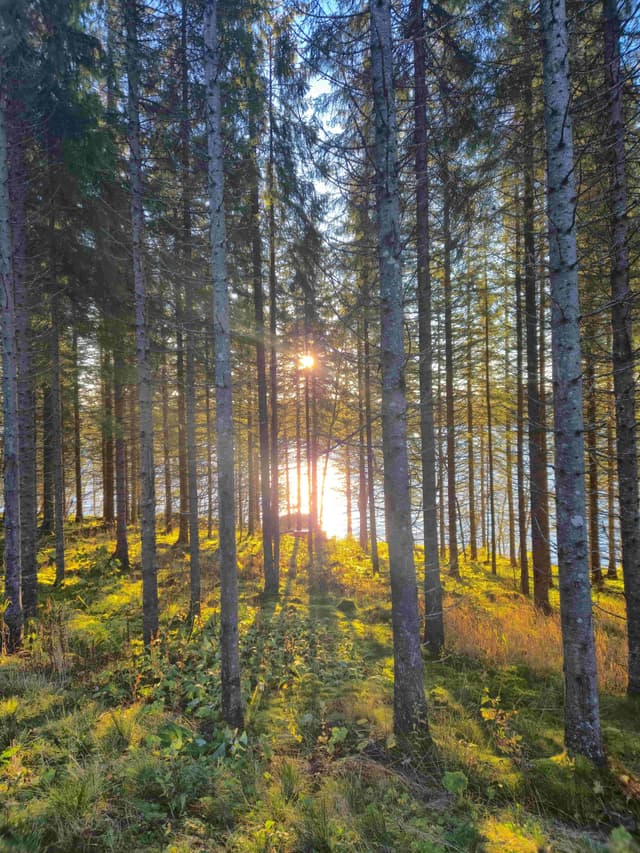
Being open to such signs requires presence and silence. In Sami tradition, silence in nature is an important channel for listening to both ancestors and the spirits of nature. By seeking out silence, whether in the forest, by a lake, or on the mountain, we can open ourselves to the subtle voices that otherwise drown in the noise of everyday life.
Ancestors and healing
Shamanic practice sees illness and unrest as often connected to imbalance, not only in the individual, but in the family or the community as a whole. By seeking contact with the ancestors, one can gain insight into old wounds or traumas that have been passed down, and find ways to heal them. This can happen through rituals, drum journeys, or conversations with elders in the family.
Healing is not always about "fixing" something, but about acknowledging and integrating what has been. By honoring the ancestors and their experiences, we can find peace with our own history, and perhaps break negative patterns so that they are not passed on to the next generation.
Modern shamanism and ancestral contact
Neo-shamanism and personal experience
Today there are many who seek their way back to shamanic practices, whether they have Indigenous roots or not. Modern shamanism, or neo-shamanism, places great emphasis on personal experience and direct contact with the spirit world. Ancestral contact is a central part of this, both as a way to find meaning, and as a tool for personal growth and healing.
You do not have to be a shaman to have contact with the ancestors. Anyone can make an ancestor altar, go on a drum journey, or pay attention to dreams and signs. The most important thing is to approach the practice with respect, humility, and openness to what comes.
Ethical reflections
When we work with ancestral contact, it is important to do so with respect for both our own roots and others' traditions. Cultural appropriation, taking elements from other cultures without understanding or respect, is a theme in modern shamanism. It is therefore important to familiarize yourself with the background of the rituals you use, and to honor both your own and others' ancestors in a responsible way.
Practical tips and inspiration
Daily practice for ancestral contact:
Light a candle for your ancestors every morning or evening.
Write a letter to a forefather or foremother you wish to make contact with.
Take a walk to a place that holds meaning for your family, and be silent there for a while.
Ask the ancestors for advice when you are facing a choice, and be open to the answer, whether it comes as a feeling, a thought, or a "coincidence."
Ritual for drawing strength from the roots
Find a quiet place, ideally in nature.
Make a small circle of stones or twigs.
Sit down in the circle and close your eyes.
Visualize roots growing from your feet and down into the earth, all the way until they meet the roots of your ancestors.
Feel the strength, wisdom, and love that flows up through the roots and into you.
Finish by thanking the ancestors and nature for their support.
Living with the roots
To converse with the ancestors is to open yourself to a larger context. It gives us the chance to draw strength, wisdom, and direction from those who have walked the path before us. In a time when many feel rootless and alone, contact with the roots can give both security and meaning.
Shamanic practice reminds us that we are never entirely alone. We carry with us a whole family tree, and we can always draw power from the roots, whether through rituals, silence, contact with nature, or daily gratitude. By honoring the ancestors, we also honor ourselves, and pass on a legacy of strength to those who come after us.
Academic references
Eliade, M. (2004). Shamanism: Archaic Techniques of Ecstasy. Princeton University Press.
Winkelman, M. (2010). Shamanism: A Biopsychosocial Paradigm of Consciousness and Healing. Praeger.
Hultkrantz, Å. (1992). Shamanic Healing and Ritual Drama: Health and Medicine in Native North American Religious Traditions. Crossroad.
Rock, A. J., & Krippner, S. (2011). Demystifying Shamans and Their World: A Multidisciplinary Study. Imprint Academic.
Walsh, R. (2007). The World of Shamanism: New Views of an Ancient Tradition. Llewellyn Publications.
Siikala, A. L. (1978). The Rite Technique of the Siberian Shaman. Folklore Fellows Communications.