Shamanism is one of the oldest spiritual practices in human history, with roots stretching back several thousand years. This spiritual tradition, found in various cultures across the world, is known for its connection with nature and its use of rituals to communicate with the spirit world. Throughout the ages, shamanism has taken many forms, adapted to the unique cultural and geographical contexts in which it has flourished.
History and origin The word "shaman" comes from the Tungusic languages of Siberia, where it describes a person who has the ability to travel between the material world and the spirit world. Shamanism, however, is not limited to Siberia; variants of shamanic practice are found among indigenous peoples in the Americas, Asia, Africa and Europe.
Historically, shamans have served as healers, spiritual leaders and intermediaries between humans and spirits. They have used various methods such as drumming, song and dance to achieve trance and communicate with the spirits.
Fundamental principles Shamanism is based on several core principles:
Connection with nature: Shamans see the whole universe as living and interwoven. They recognise the spiritual essence in animals, plants, mountains, rivers and other natural elements.
Trance and spirit journeys: Shamans achieve altered states of consciousness, often through drumming, dance or song, in order to travel to other worlds or dimensions and communicate with spirits.
Healing and balance: An important role for the shaman is to restore the balance between the individual and the spiritual world, often through the healing of illnesses or soul work.
Rituals and ceremonies: Shamanic rituals are important for celebrating the cycles of life, seeking guidance from the spirits, or marking important transitions in a person's life.
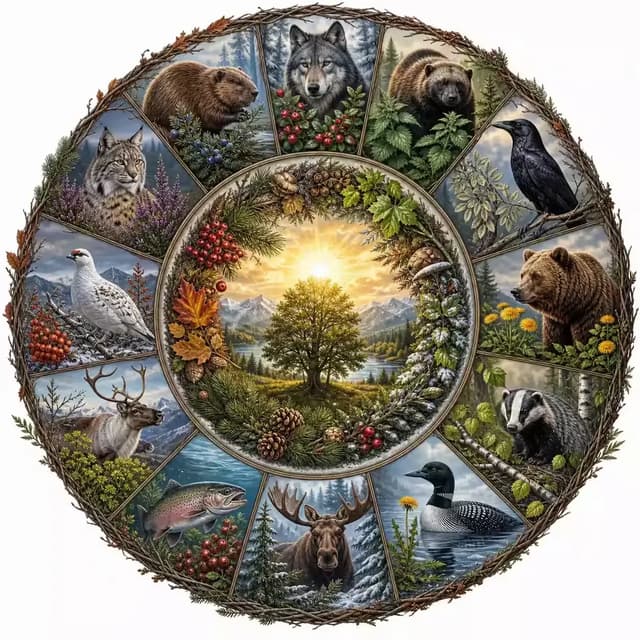
Use of symbols and totems: Shamans often use symbols and totems that represent spiritual forces or guides. These symbols can be animals, plants or other elements from nature that have special significance for the shaman or the community.
Ancestral contact: Many shamanic traditions place great importance on contact with ancestors. The spirits of the ancestors can provide wisdom, protection and guidance, and rituals can be performed to honour and communicate with them.
Use of magical objects: Shamans often use various objects such as amulets, staffs and drums, which are considered to have special magical properties. These objects help the shaman focus their energy and intention during rituals.
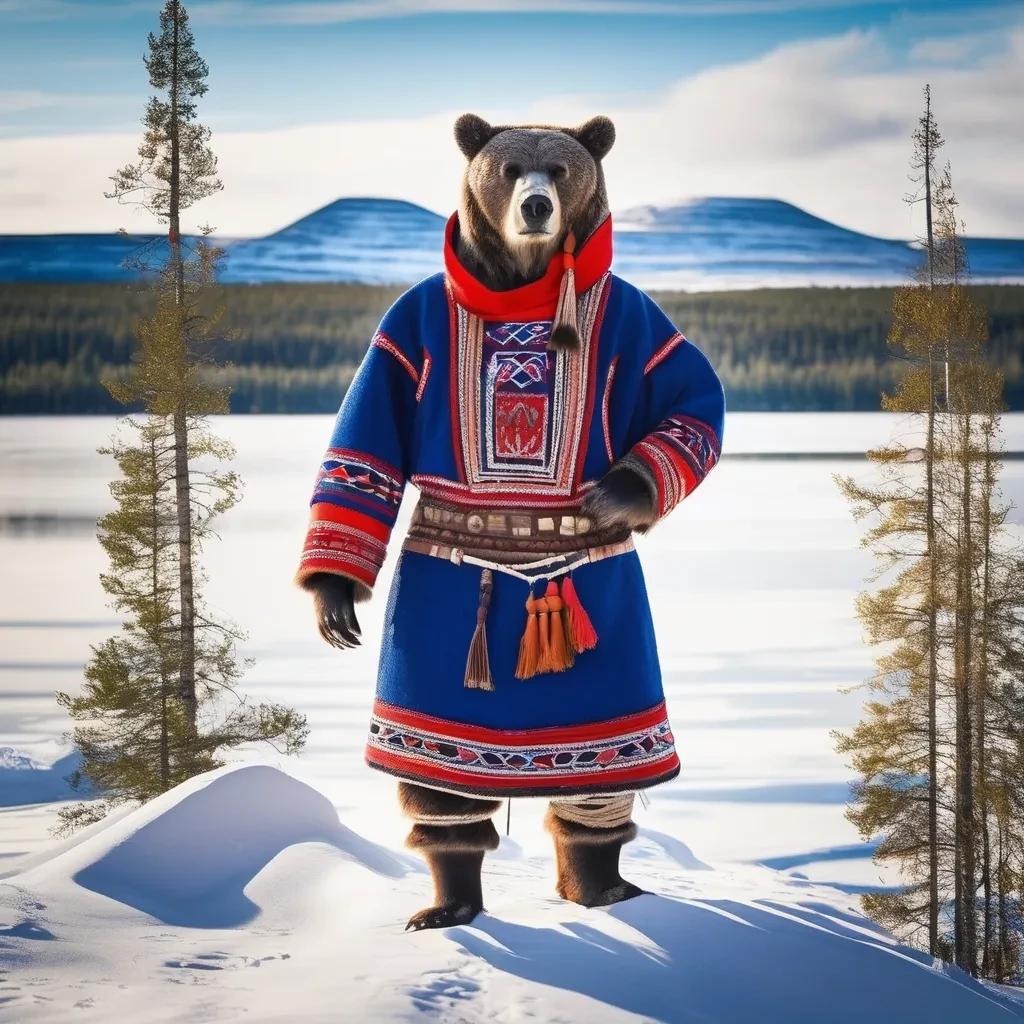
Shamanic traditions from different parts of the world Sami shamanism The Sami, an indigenous people of Northern Scandinavia, have a rich shamanic tradition. Their shamans, known as "noaidis", used rune drums and joik (a form of song) to achieve trance and communicate with the spirits. Sami shamanism focuses on the forces of nature, and the noaidi's role was often to heal illnesses, foretell the future and ensure good hunting or fishing.
Norse shamanism In Norse mythology and religion, shamanic practices were also present. Völvas, female shamans, played an important role as seeresses and spiritual leaders. They used seid, a form of magical practice, to achieve trance and gain visions. Seid involved rituals, song and the use of special staffs to communicate with the gods and spirits.
Kven and Forest Finn shamanism The Kvens and Forest Finns, minority groups in Northern Scandinavia, also have shamanic traditions. Their shamanism has much in common with Sami practice, with an emphasis on the importance of nature spirits. Shamans among these groups often used nature and its elements in their rituals for healing and divination.
Siberian shamanism Siberian shamanism is among the oldest documented forms of shamanism. Shamans from Siberia, often called "Tungusic shamans", are known for their complex rituals involving drumming, song, dance and the use of costumes to achieve trance. These shamans serve as healers, spiritual leaders and protectors of the tribe. They communicate with the spirit world to ensure health, prosperity and protection against evil spirits.
Indigenous American shamanism Among many indigenous peoples in the Americas, especially in North and South America, shamanism plays a central role. For example, the Lakota people of North America have shamans known as "medicine men" or "medicine women". These shamans use, among other things, sweat lodges, ceremonies and vision quests to communicate with the spirits and heal illnesses. In South America, shamans from the Amazon rainforest have rich traditions for gaining insight and spiritual guidance through ceremonies.
African shamanism African shamanic traditions are diverse and complex, with a rich heritage of spiritual practices. In West Africa, shamans serve as spiritual advisers, healers and ceremony leaders. They use dance, drumming, song and masks in their rituals to make contact with ancestral spirits and nature spirits. The San people of Southern Africa also practise shamanism, with trance dances as a central method for achieving spiritual contact and healing.
Aboriginal shamanism Australian Aborigines have a deep spiritual connection to their land, which is reflected in their shamanic practices. Their shamans, known as "ngangkari", use Dreamtime stories, song, dance and art to maintain the balance between humans and the spiritual forces in nature. Ngangkari also perform healing rituals to relieve physical and spiritual afflictions.
European shamanism In addition to Norse shamanism, there are several other forms of shamanism in Europe. Celtic shamanism, for example, is known for its strong connection to nature and its use of Druidic practices. Druids served as priests, teachers and healers in ancient Celtic society, and they used rituals and ceremonies to communicate with the spirits and maintain harmony between humans and nature.
Another European tradition is Finnish shamanism, where shamans, known as "tietäjä", used song and poetry to invoke spirits and perform healings. The tietäjä were central figures in society and played an important role in both the spiritual and the practical aspects of life.
Hungarian shamanism Hungarian shamanism, also known as taltos, has roots in the beliefs and practices of the ancient Magyar people. The taltos were healers and spiritual leaders who had the ability to communicate with the spirit world. They used song, drumming and dance in their ceremonies to achieve trance and gain insight. Hungarian shamanism was deeply connected to nature and the ancestors, and played an important role in the spiritual life of ancient Hungarian society.