Shamanism is one of the world's oldest spiritual traditions, with roots that stretch back thousands of years. Unlike the Abrahamic religions such as Christianity, Judaism and Islam, shamanism is a non-dogmatic practice that is closely tied to nature religions and a holistic understanding of the world.
Shamanism as a nature religion
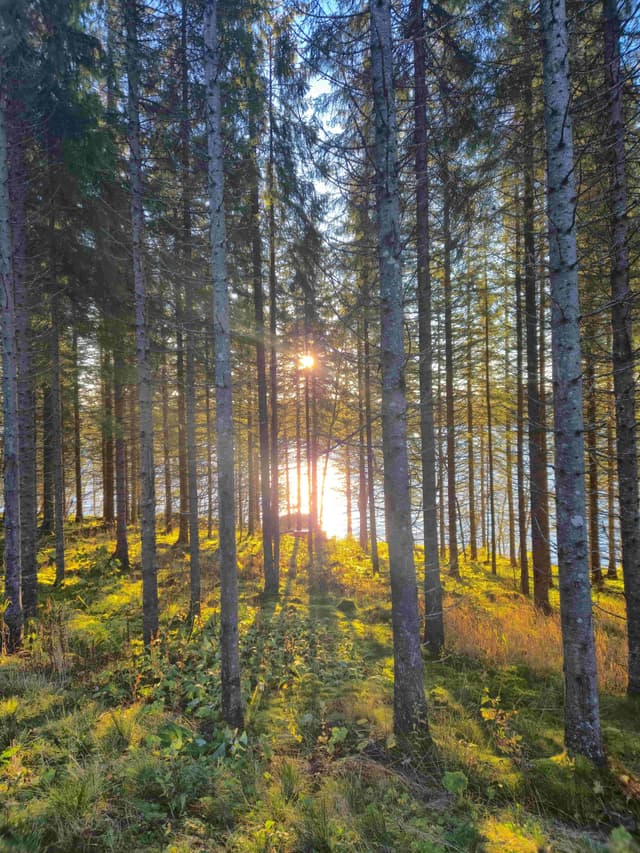
Shamanism is regarded as a nature religion, in which nature and its forces are at the centre of spiritual understanding. Unlike the Abrahamic religions, which often see the human being as separate from and elevated above the natural world, shamanic traditions have an integrated conception of humanity's place in the ecosystem.
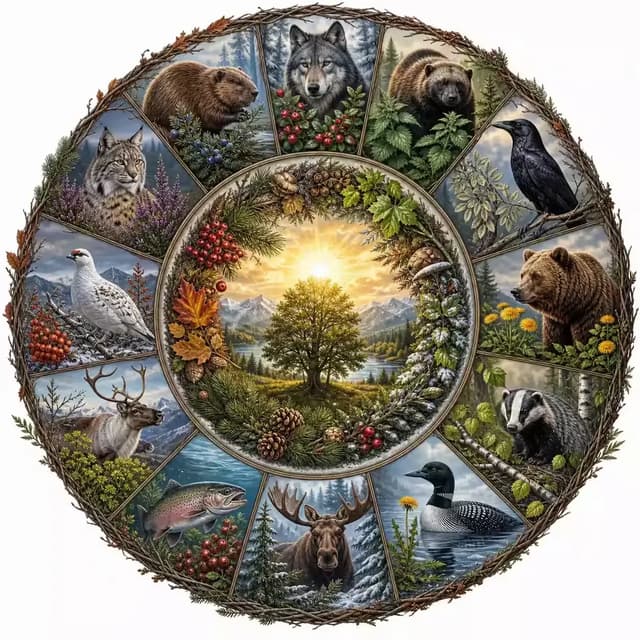
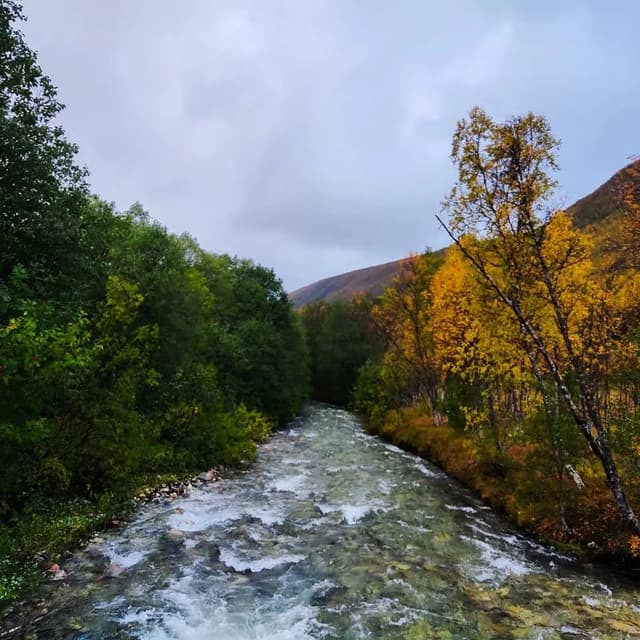
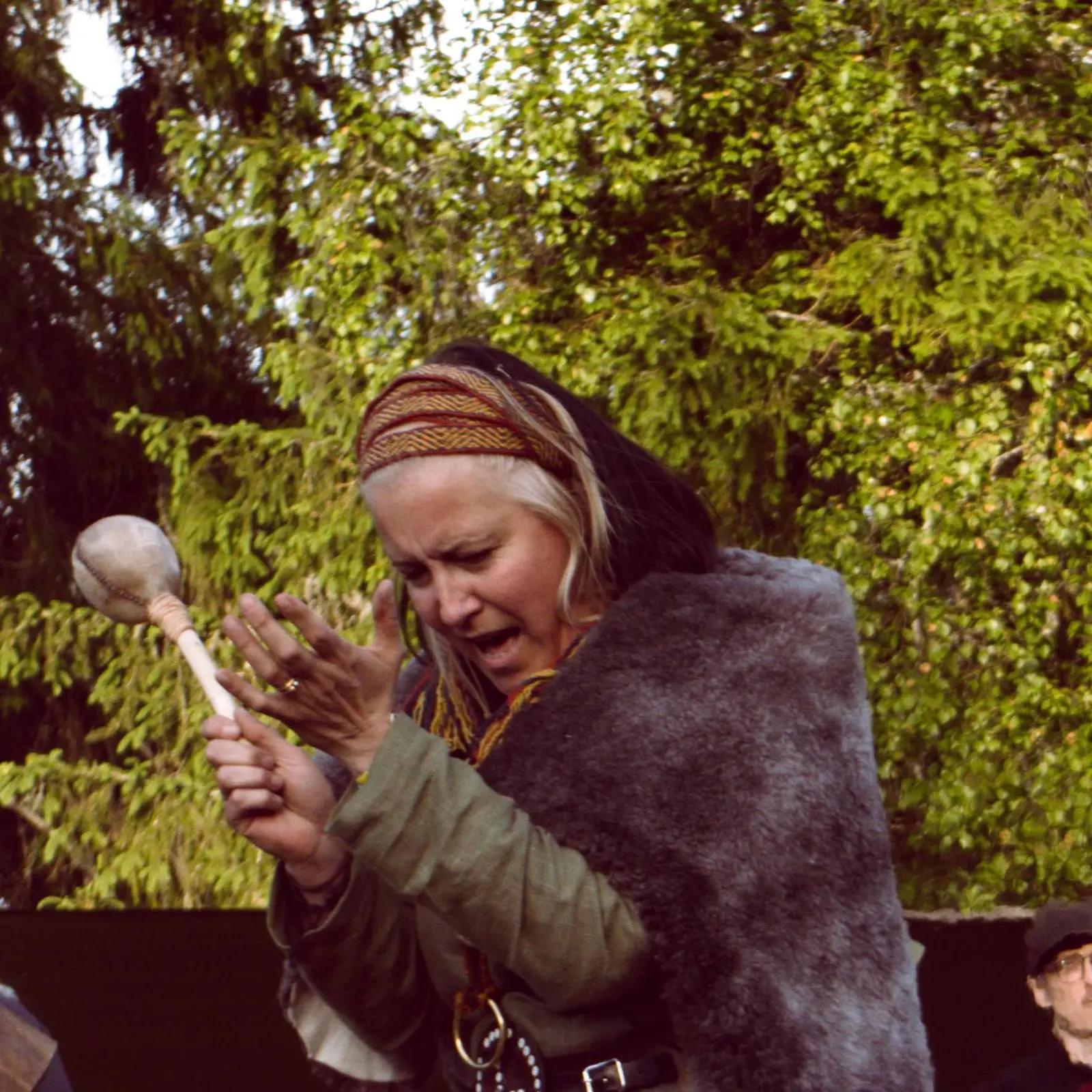
In shamanic religions, nature is regarded as sacred and divine. Mountains, rivers, animals, plants and the forces of nature are considered living, ensouled entities that must be respected and cared for. The shaman, who acts as a link between the physical and the spiritual world, plays a central role in maintaining the balance of nature through rituals, trance states and communication with spiritual beings.
Non-dogmatic spirituality
Unlike the Abrahamic religions, which often have a set of dogmas, laws and moral rules that followers must live by, shamanism is a non-dogmatic spiritual tradition. Shamans do not seek to convey a fixed belief or doctrine, but experience the divine power directly and personally, without having to follow strict dogmas.
Shamanic practices leave room for individual exploration and experience of the spiritual. Any person can experience the divine at any time and in any place, without having to go through an authority such as a priest or the like. This non-dogmatic approach gives shamanism a flexibility and adaptability that has allowed its survival through the centuries in various cultural contexts.
Indigenous belief and ecological awareness
Shamanic religions are closely tied to a deep ecological awareness, in which the human being is seen as an integrated part of the larger ecological whole, not as a separate and superior entity. This holistic understanding leads to a deeper respect for the environment and a commitment to caring for it.
Unlike the Abrahamic religions, which have often had a more anthropocentric approach to nature, Indigenous beliefs such as shamanism have been marked by a stronger ecological awareness. Many shamanic traditions place great emphasis on the sustainable use of natural resources, the protection of vulnerable ecosystems and a harmonious coexistence between people and nature.