Shamanic ethics and responsibility are central aspects of shamanic practice, both in traditional societies and in modern contexts. Shamans are known for their deep respect for nature and spiritual dimensions, and they often operate with an ethical code that ensures their actions are in accordance with both human and spiritual wellbeing. In this article we will explore the principles of shamanic ethics, as well as the challenges shamans face in today's world.
Shamanism is an ancient spirituality that has existed in many cultures around the world. It is about creating a deeper connection with nature and spiritual dimensions, and using this connection to heal, guide and balance life. Shamans are not only healers or spiritual guides, but also protectors of the natural balance between people, between people and animals, and nature.
Principles of shamanic ethics
Shamanic ethics is built on a number of principles that ensure the shaman's actions are in accordance with both human and spiritual wellbeing. These principles include:
Respect for nature
Shamans see nature as a living, spiritual entity that must be respected and protected. This includes living in harmony with the laws of nature and avoiding actions that may harm the environment.
Shamanic ethics places a great responsibility on shamans toward nature. This responsibility includes respecting the spirits of nature, living in harmony with the laws of nature, and protecting the environment for future generations.
Respect for the spirits of nature
In shamanic tradition, nature is seen as a living entity, where all elements – from trees to animals and landscapes – are spiritual beings with their own wisdom and power. Shamans must respect and honor these spirits through rituals and ceremonies that acknowledge their significance and power.
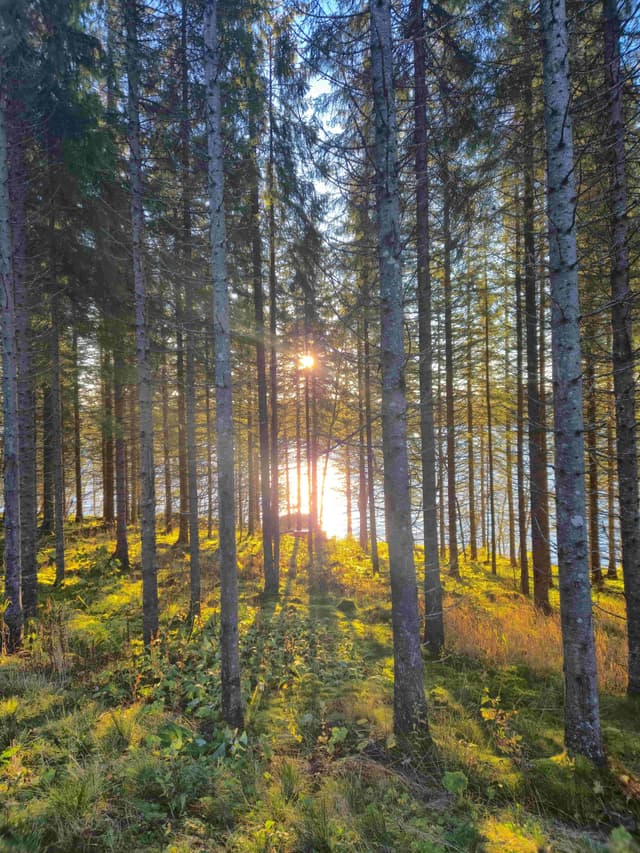
For example, in many shamanic cultures trees are seen as wise and protective spirits. Shamans may use trees as a source of wisdom and strength, and they may perform rituals to protect the forests and ensure they remain healthy and green.
Living in harmony with the laws of nature
Shamans must live in accordance with the laws and rhythms of nature. This means respecting the seasons, the phases of the moon and the migrations of animals. By living in harmony with these natural rhythms, shamans can maintain a deeper connection with nature and ensure that their actions are in accordance with the natural balance.
For example, in some shamanic traditions it is common to perform rituals during the full moon to draw power and wisdom from the moon's energy. This may include dance, song or meditation in the moonlight, which helps the shaman connect with the moon's spiritual power.
Protecting the environment
Shamans have a responsibility to protect the environment and ensure that nature remains healthy and resilient for future generations. This may include taking part in environmental conservation activities, supporting sustainable practices, and using their spiritual abilities to heal damaged areas.
For example, shamans may use rituals to cleanse polluted sites or to strengthen the spiritual energies of nature in areas that have been damaged by human activity. This may include the use of drums, song or other forms of spiritual communication to call upon spiritual helpers and to restore balance in nature.
Shamanic ethics places a great responsibility on shamans toward nature. By respecting the spirits of nature, living in harmony with the laws of nature, and protecting the environment, shamans can contribute to a more sustainable and harmonious world. These principles are not only important for shamans, but also for everyone who wishes to live in accordance with nature and ensure a safe future for coming generations.
Integrity and responsibility
Shamans must always act with integrity and take responsibility for their actions. This includes being honest, respecting clients' confidentiality, and avoiding using their abilities for personal gain.
Integrity and responsibility are fundamental aspects of shamanic practice. Shamans must always act with integrity and take responsibility for their actions, both toward clients and in relation to spiritual dimensions. In this part of the article we will explore how integrity and responsibility are expressed in shamanic practice.
Integrity in shamanic work
Integrity in shamanic work means being honest, transparent and faithful toward one's clients and spiritual collaborators. This includes respecting clients' confidentiality, being sincere in communication, and avoiding using one's abilities for personal gain or manipulation.
Respect for the client's confidentiality
Shamans must always maintain the client's confidentiality. This means keeping information about the client's personal life and spiritual journeys secret, unless it is absolutely necessary to share this information to protect the client or others.
Transparency in practice
Shamans should be open about their methods and principles. This includes explaining to clients what they can expect from a session, as well as being honest about their own limitations and possibilities.
Honesty in communication
The communication between the shaman and the client must be honest and open. This means listening actively to the client's concerns and giving advice that is in the client's best interest.
Responsibility in shamanic practice
Responsibility in shamanic practice is about taking responsibility for one's actions and ensuring that these actions are in accordance with both human and spiritual wellbeing. This includes respecting cultural traditions, maintaining a high standard of competence, and avoiding harming others.
Respect for cultural traditions
Shamans must respect cultural traditions and avoid cultural appropriation. This means understanding the origins of shamanic practices and using them in a way that is respectful and fair.
Competence and development
Shamans must always work to develop and maintain their competence. This includes participating in continuous training and reflecting on their own practices to ensure they are effective and safe.
Avoiding harm
Shamans must always strive to avoid harming others, both physically and spiritually. This means being aware of their own limitations and referring clients to other professionals if necessary.
Practical examples of integrity and responsibility
In practice, integrity and responsibility can be observed in many aspects of the shaman's work. For example, when a shaman performs a healing ceremony, they must ensure that they act with respect for the client's spiritual and physical wellbeing. This may include using rituals adapted to the client's needs, and ensuring that the client is informed and consents to the treatment.
Shamans must also respect the laws of nature and avoid actions that may harm the environment. This may include using natural means in their rituals and encouraging sustainable practices.
Integrity and responsibility are essential aspects of shamanic practice. By acting with integrity and taking responsibility for their actions, shamans can ensure that their work is both effective and ethical. These principles are not only important for shamans, but also for everyone who wishes to live in accordance with nature and ensure a safe future for coming generations.
Self-reflection and personal growth
Shamans must continually work on self-reflection and personal growth to maintain their spiritual integrity and ability to help others.
Shamanic ethics in practice
In practice, shamanic ethics can be observed in many aspects of the shaman's work. For example, when a shaman performs a healing ceremony, they must ensure that they act with respect for the client's spiritual and physical wellbeing. This may include using rituals adapted to the client's needs, and ensuring that the client is informed and consents to the treatment.
Shamans must also respect the laws of nature and avoid actions that may harm the environment. This may include using natural means in their rituals and encouraging a sustainable way of life.
Challenges in modern times
In today's world, shamans face more challenges than ever before. These include:
Cultural appropriation
Shamans must navigate complex questions of cultural appropriation and respect for the origins of shamanic practices.
Commercialization
Shamans must balance the need for economic sustainability with the risk of commercializing or trivializing their practices.
Authenticity and integrity
Shamans must continually work to maintain their spiritual integrity and authenticity in a world where shamanism is often misunderstood or unfairly portrayed.
Shamanic ethics and responsibility are essential aspects of shamanic practice. By respecting nature, cultural traditions and clients' confidentiality, shamans can ensure that their work is both effective and ethical. In today's complex world it is more important than ever that shamans hold fast to these principles in order to maintain their spiritual integrity and contribute to a more sustainable and harmonious world.
References
The Everyday Shaman - Ethics. (2020).
Britannica - Shamanism: Rituals, Beliefs, Practices. (2025).
Embracing Shamanism - Connecting with Nature: The Shamanic Path to Environmental Consciousness. (2023).
Shamanism.org - Ethical Considerations in Shamanic Healing. (2025).
The Rowe Center - Ethical and Safe Practices in Shamanic Journeying: A Modern Exploration. (2024).
International Journal of Latin American Religions - Piaroa Shamanic Ethics and Ethos: Living by the Law and the Good Life of Tranquility. (2018).
Walsh, R. - The World of Shamanism: New Views of an Ancient Tradition. Woodbury, MN: Llewellyn Publications, 2007.