Shamanism represents one of the oldest spiritual traditions in human history, with roots reaching back thousands of years. Central to shamanic practice and philosophy stands a unique cosmological worldview that forms the foundation of the shaman's work and understanding of reality. This worldview is both complex and profound, and offers insight into how shamans perceive the structure of the universe, the place of humanity in the cosmos, and the relationship between the physical and the spiritual world.
The three worlds
One of the most fundamental concepts in shamanic cosmology is the idea of the three worlds: the upper world, the middle world and the lower world. Together, these three spheres make up the shaman's cosmic map and form the framework for the shaman's journeys and interactions with the spirit world.
The upper world
The upper world is often associated with the heavens and the higher planes of consciousness. This is the realm of celestial beings, divine forces and exalted spirits. In many shamanic traditions, the upper world is regarded as the source of wisdom, inspiration and healing energies. Shamans often journey to the upper world to seek guidance, draw power or communicate with higher beings.
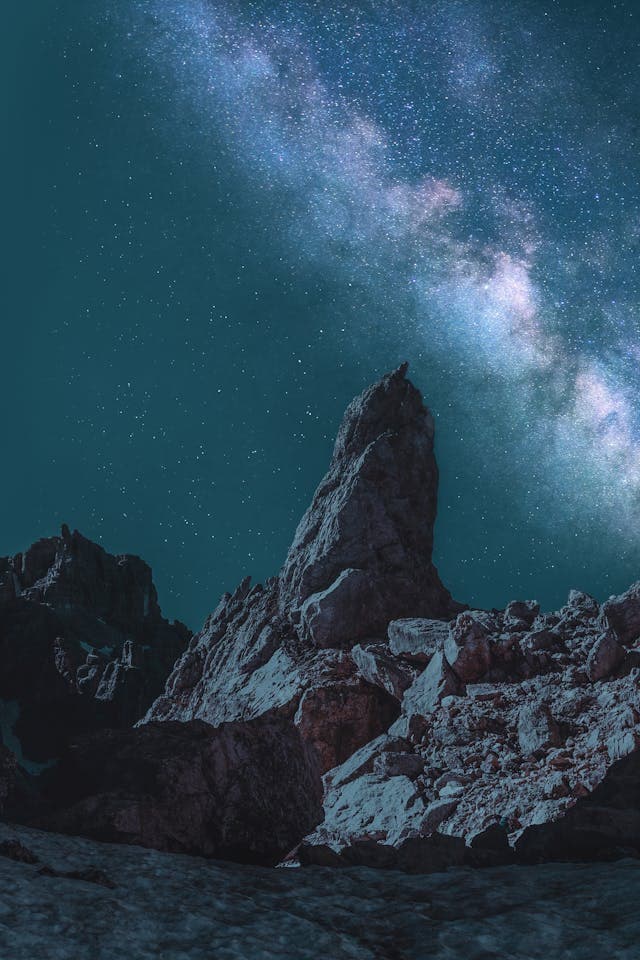
The upper world is often described as bright, ethereal and expansive. It can be visualised as a place of shining clouds, luminous stars or majestic mountains reaching towards the sky. Beings in the upper world may include divine figures, angels, ancestral spirits or other luminous entities.
The middle world
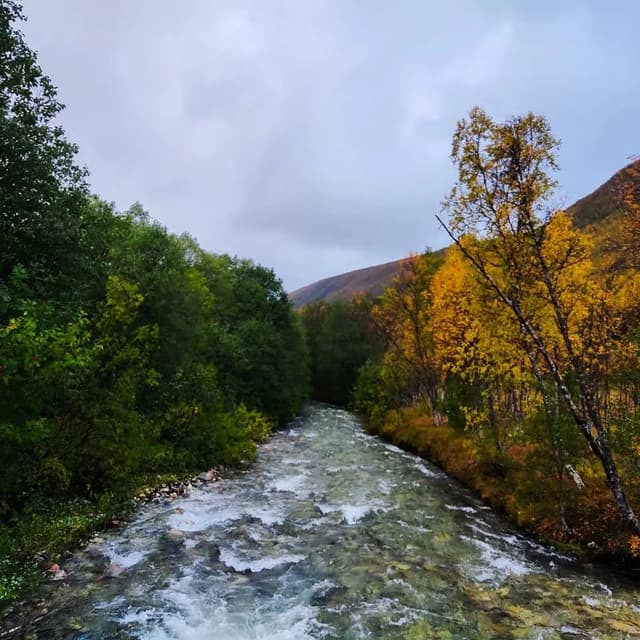
The middle world represents the physical reality we live in every day. This is the realm of earthly experience, nature and the material plane. In shamanic understanding, the middle world is not limited to the visible, physical world, but also includes the invisible energies and spirits that permeate nature.
Shamans often work in the middle world to help people with everyday problems, heal illnesses or restore balance in nature. In this realm the shaman can communicate with nature spirits, the souls of plants and animals, and other beings that inhabit the physical world.
The lower world
The lower world is perhaps the most misunderstood of the three spheres in shamanic cosmology. In contrast to Western notions of a hell or a dark place of punishment, in shamanism the lower world is often seen as a rich source of power, transformation and deeper insight.
The lower world is associated with the earth's interior, caves, underground rivers and the roots of the world tree. It is here that the shaman often meets their power animals and important helping spirits. Journeys to the lower world may be about retrieving lost souls, finding hidden knowledge or undergoing personal transformations.
Visualisations of the lower world may vary, but it is often described as a place of lush forests, crystal caves or underground landscapes densely packed with symbolic meaning and the potential for growth.
The world tree as a cosmological symbol
A central symbol in many shamanic traditions is the world tree, also known as the tree of life or the cosmic axis. This powerful symbol represents the connection between the three worlds and serves as a metaphorical "path" that the shaman can use to travel between the spheres.
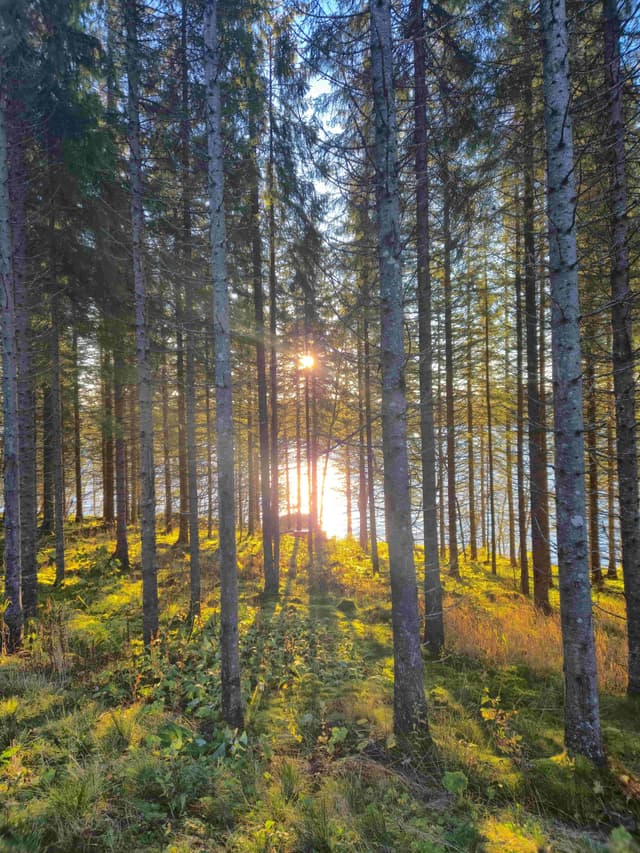
The world tree is often visualised as an enormous tree with branches reaching into the upper world, a trunk that exists in the middle world, and roots that go deep down into the lower world. This symbol is found in many cultures around the world, from the Norse Yggdrasil to the Siberian birch tree and the Maya ceiba tree.
The world tree symbolises not only the structure of the cosmos, but also the idea of interconnectedness - that all parts of the universe are connected and interdependent. It represents the balance between heaven and earth, spirit and matter, and serves as a channel for cosmic energy.
The nature of the soul and journeys in the spirit world
In shamanic understanding, the soul is not a single, undivided entity, but often consists of several aspects or parts. Many traditions speak of concepts such as the "free soul" - the part of the soul that can leave the body during dreams or shamanic journeys - and the "body soul" that remains anchored in the physical body.
The shaman's ability to undertake soul journeys is a cornerstone of shamanic practice. During a soul journey the shaman enters an altered state of consciousness, often induced through drumming, dance or the use of plant psychedelics, and "sends out" their free soul to explore the other worlds. This practice underlies the shaman's role as an intermediary between the physical and the spiritual world.
During soul journeys the shaman may:
Meet and communicate with spirits and divine beings
Retrieve lost soul power for clients
Seek wisdom and healing knowledge
Guide the souls of the dead to the afterlife
Restore balance in nature or in a person's life
Soul journeys are not merely a metaphorical or symbolic act, but are perceived as a real, if non-physical, journey. Shamans often report detailed experiences and encounters from these journeys, which can have a profound impact on both the shaman and those who seek help.
The relationship between humans, nature and spirit beings
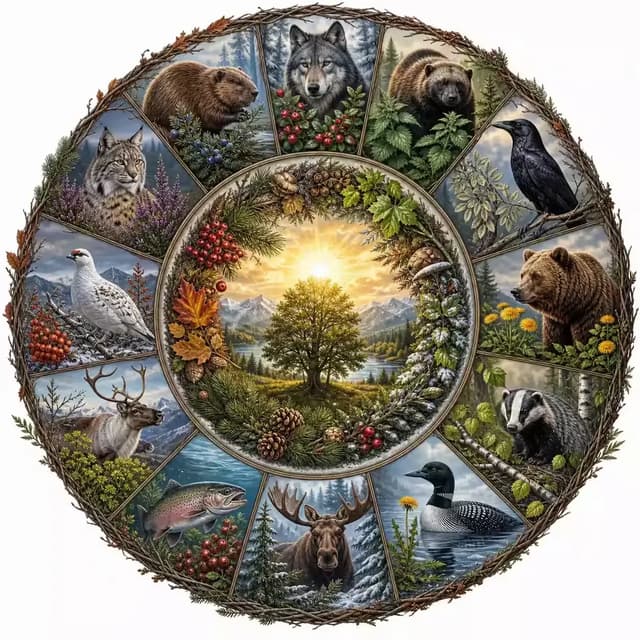
A fundamental aspect of shamanic cosmology is the understanding that everything in the universe is ensouled and interconnected. This animistic worldview sees not only humans as bearers of soul and consciousness, but also animals, plants, stones, rivers and even the celestial bodies.
From this perspective, a complex web of relationships exists between humans, nature and spirit beings. The shaman acts as a bridge-builder and diplomat within this network, with the ability to communicate with, and negotiate between, the various spheres and entities.
Some central aspects of this relationship include:
Respect for nature
Shamanic traditions teach a deep respect for nature, which is seen as living and ensouled. This often leads to an ecological awareness and an understanding of humanity's responsibility as stewards of the earth.
Spirits as teachers and helpers
Spirit beings, whether they are nature spirits, ancestral spirits or power animals, are seen as potential allies and teachers. The shaman cultivates relationships with these beings for guidance and support in their work.
Mutual interdependence
The shamanic worldview emphasises the mutual interdependence between all beings and spheres. Actions in one part of the cosmos can have ripple effects in other parts, which underscores the importance of balance and harmony.
Healing through the forces of nature
Shamanic healing often involves the use of nature's forces, whether through plants, stones or the invocation of nature spirits. This reflects the belief in nature's inherent healing potential.
Comparison with other religious and philosophical worldviews
Shamanic cosmology shares certain similarities with other religious and philosophical traditions, but also has distinct characteristics:
Similarities with Eastern philosophies
Shamanism's emphasis on interconnectedness and balance resonates with many Eastern philosophies, such as Buddhism and Taoism. The idea that everything is ensouled has parallels in Hinduism's concept of Atman (the universal soul).
Contrast with monotheistic religions
In contrast to monotheistic religions such as Christianity, Islam and Judaism, shamanism generally does not have a central deity or a codified scriptural system. The shamanic approach is more experiential and direct than dogmatic.
Parallels with ancient polytheistic systems
Shamanism's diversity of spirits and divine beings has similarities with ancient polytheistic religions, such as Norse and Greco-Roman religion.
Modern scientific perspectives
While shamanic cosmology may appear on the surface to be at odds with modern science, some argue that certain aspects, such as interconnectedness, resonate with newer scientific theories such as quantum physics's notions of entanglement.
Ecological and holistic philosophies
Shamanism's holistic worldview and emphasis on balance with nature finds an echo in modern ecological movements and holistic health philosophies.
Shamanic cosmology presents a rich and multifaceted worldview that has shaped human understanding of reality for thousands of years. Through the concept of the three worlds, the symbolism of the world tree, the understanding of the nature of the soul and the emphasis on interconnectedness, shamanism offers a unique perspective on humanity's place in the cosmos.
This worldview is not merely of historical or anthropological interest, but continues to inspire and inform the spiritual practice of many people today. In an age marked by ecological crises and the search for meaning, shamanic cosmology can offer valuable insights into our relationship with nature and the spiritual.
At the same time, it is important to acknowledge the diversity within shamanic traditions around the world. While there are overarching commonalities, each culture and tradition has its own unique interpretations and practices. This diversity enriches our understanding of shamanism's complex and profound worldview.
References
Eliade, M. (1964). Shamanism: Archaic Techniques of Ecstasy. Princeton University Press.
Harner, M. (1990). The Way of the Shaman. HarperOne.
Vitebsky, P. (2001). The Shaman: Voyages of the Soul, Trance, Ecstasy and Healing from Siberia to the Amazon. Duncan Baird.
Znamenski, A. A. (2007). The Beauty of the Primitive: Shamanism and Western Imagination. Oxford University Press.
Narby, J. & Huxley, F. (2001). Shamans Through Time: 500 Years on the Path to Knowledge. Thames & Hudson.
Ingerman, S. (2004). Shamanic Journeying: A Beginner's Guide. Sounds True.
Wallis, R. J. (2003). Shamans/Neo-Shamans: Ecstasy, Alternative Archaeologies and Contemporary Pagans. Routledge.