There is a deep and timeless truth in many indigenous traditions: No one lives for themselves alone. In shamanism, this truth is woven into everything – into the rituals, into the songs, into the way one meets nature and one another. To give back, to be in service to the community, is not just a virtue, but the very life-nerve of shamanic practice. Here it is not about putting oneself first, but about understanding that all life is connected, and that every action, thought and prayer can be a gift to the whole.
Service as a way of life
The shaman's role in the community has always been more than being a healer or a leader of ceremonies. The shaman is a guardian of balance – between people, between human being and nature, and between the visible and the invisible world. To be in service means to listen to the needs of the community, to make oneself available when someone needs help, and to use one's abilities and one's contact with the spirits to support, protect and strengthen others.
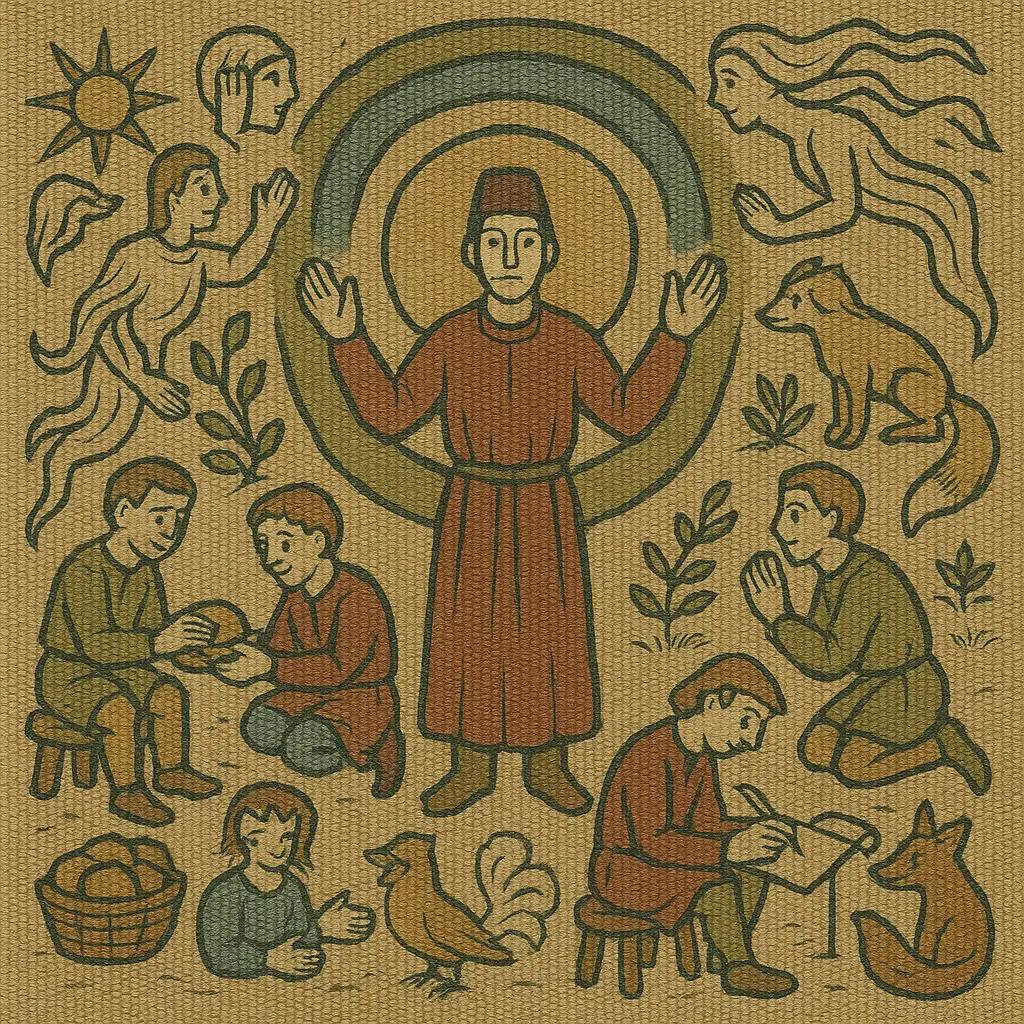
This service is not limited to grand ceremonies or spectacular healings. It lives in the everyday: in the way one greets the sun in the morning, in how one shares food, in a prayer for a friend, in a smile to a stranger. To give back is a practice that pervades the whole of life, and that gives both meaning and joy – not only for the one who receives, but also for the one who gives.
Healing as a gift to the community
Imagine a cold winter evening in a small village. One of the elders has fallen ill, and the family gathers in distress. The shaman is summoned, but she does not come alone. With her she brings the drum, herbs, and perhaps most importantly of all: the community. People gather in a circle, some sing, others drum, some simply hold the hand of the sick person. Together they pray for healing, together they share hope and strength. In such moments it becomes clear that healing in shamanism is not just about one person's health, but about restoring balance and strength in the whole group.
Such collective healing ceremonies are common in many shamanic cultures. They not only bring relief for the one who is ill, but also strengthen the bonds between people. To take part in healing for others gives a feeling of being part of something greater, of contributing to the good of the community. Many describe a deep joy and meaning in such moments – a feeling that it really helps, that every voice, every drumbeat, every thought counts.
Rituals and prayer for others
In shamanism, it is common to perform rituals and prayers for others – whether they are present or not. It can be a mother praying for her child, a group sending healing to someone far away, or a ceremony to support a whole community in crisis. Such actions are not only symbolically important; they are concrete expressions of love and care.
A woman told of how, when a friend was struck by grief, she gathered a few friends around a fire. They drummed, sang and prayed for strength for the friend, even though he was not there. She described how it felt as though something lifted – not only for the friend, but for the whole group. «It was as if we shared the burden,» she said. «And at the same time we opened up for hope.»
Prayer and intention work are central to shamanic service. To send good thoughts, to pray for rain, for peace, for healing – all of this are ways of giving back. It is not about controlling the outcome, but about opening a space for possibility, for hope and for the power of the community.
Serving nature and all living things
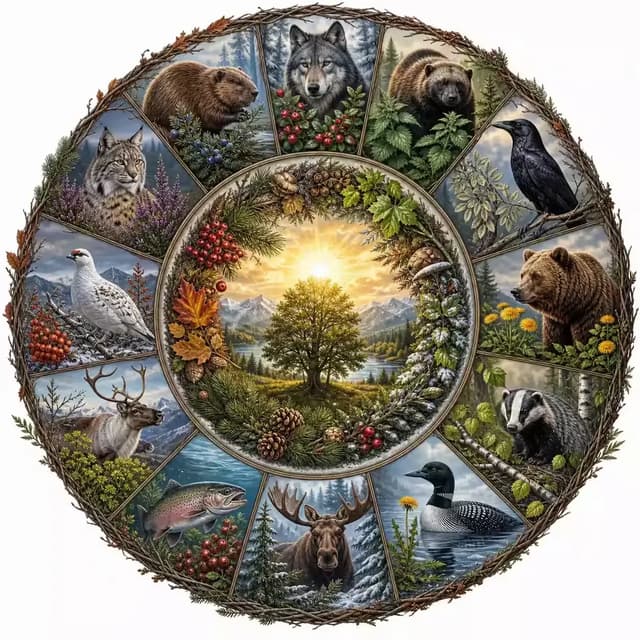
In shamanism, service is never limited to humans alone. Nature – the trees, the water, the animals, the earth itself – is also part of the community. Many shamanic groups carry out rituals to support nature: cleansing rivers, planting trees, praying for the animals, or performing ceremonies to restore balance after destruction. This is not just symbolic, but a deep recognition that the human being is part of a larger web of life.
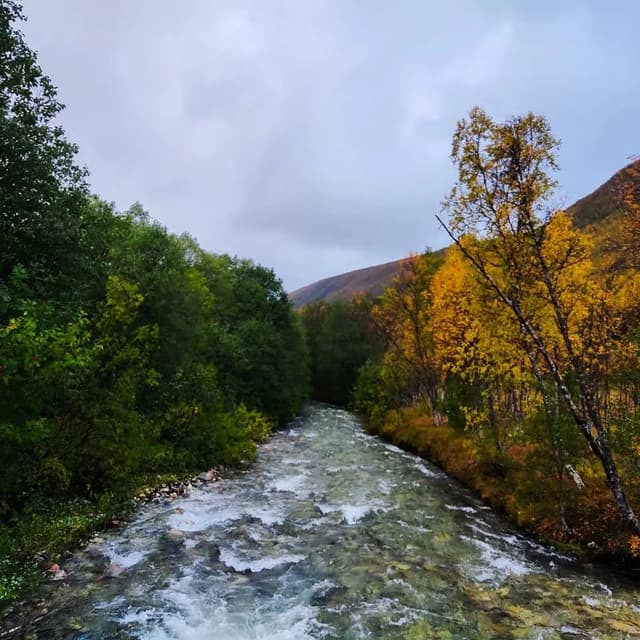
A group gathered one spring day by a river that had been polluted. They sang, drummed and prayed for the river's healing, and some picked up litter and planted new trees along the banks. Afterward, the participants described a feeling of relief and joy – not only because they had done something concrete, but because they had been in service to something greater than themselves. «We felt connected to the river, to one another, and to all that lives,» one of them said.
Rites of passage and support in life's phases
Shamanic service is also about supporting people in the great transitions of life: birth, puberty, marriage, death. Rites of passage are not only for the individual, but for the whole community. When a child is born, family and friends gather to welcome it and to pray for protection. When someone dies, people gather to help the soul over to the other side, and to support the bereaved in their process of grief.
In such rituals it is the community that carries – through song, drumming, the sharing of memories and silence. To be in service to one another in such moments gives a deep sense of meaning, and reminds us that no one goes through life's great moments alone.
The joy of giving – and of receiving
Giving back through healing, prayer and rituals not only gives meaning – it also gives deep joy. Many who practice shamanic service describe a feeling of being part of something greater, of contributing to the good of the community and of the earth. The joy comes not only from seeing others receive help, but from sensing that one is oneself growing, developing and gaining access to new layers of love and understanding.
Shamanic healing ceremonies and community rituals are often marked by laughter, song and celebration. To give back, to be in service, is a path to this joy.
At the same time, it is important to remember that service is also about receiving. In shamanism there is a balance between giving and receiving – between being the one who heals, and the one who allows themselves to be healed. To acknowledge that one needs help, and to open oneself to the support of the community, is also a gift – both to oneself and to others.
Service in modern times
Today, when many live busy and often isolated lives, shamanic service can be a counterweight to individualism and loneliness. To gather in a circle, to share rituals, to pray for one another and for the earth, gives a sense of community and belonging that many miss. It is not about being perfect, but about making oneself available – with what one has, where one is.
Modern shamanic groups often arrange open healing evenings, shared drum journeys, nature ceremonies and prayer circles. Some work for the environment, others for people in crisis, some for animals or to support indigenous peoples and their rights. Common to all is the desire to contribute, to give back, to be part of a larger whole.
Giving back as a path through life
For many shamans and shamanic practitioners, service is not a choice, but a path through life. The initiation into the shaman's role involves taking on the responsibility to support, protect and lead the community – and to do this with humility and devotion. The service can take many forms: some give healing to individuals, others lead great ceremonies, some work quietly for nature or for those who cannot help themselves. Common to all is that the service is always rooted in love, respect and a deep understanding of the interconnectedness of all life.
Together we are strong
Shamanism reminds us that healing and growth happen best in community. In the circle, in shared prayer, in shared rituals and in service to one another, we find support, inspiration and strength. To give back is not only a gift to others – it is a gift to ourselves, to the community and to the earth.
Through being in service to one another and to all living things, we create a world where everyone can feel seen, heard and supported. This is shamanism's deepest promise: that together we can heal, together we can grow, and together we can give back the best we have – for the joy of both ourselves and generations to come.
Sources
Krippner, S. (2012). Shamans as Healers, Counselors, and Psychotherapists. International Journal of Transpersonal Studies, 31(2), 72-79.
Winkelman, M. (2010). Shamanism: A Biopsychosocial Paradigm of Consciousness and Healing. Praeger.
Singh, M. (2018). The social functions of shamanism. Behavioral and Brain Sciences.
Venkatesh, S. (2025). Shamanic Practices and Their Psychological Implications: Exploring Altered States, Healing, and Consciousness Transformation. Journal of Science Technology and Research (JSTAR), 1(6).
Shamanism: Ancient Wisdom, Spiritual Healing, and Modern Revival. (2024). Everand Publishing.
What We Can Learn From Shamanic Healing: Brief Psychotherapy Lessons From Indigenous Healers. American Journal of Public Health, 92(1), 2002.