There are few emotions that leave such deep traces in the soul as shame and guilt. They can come as a small voice inside us, a feeling of not being good enough, or as an overwhelming weight that bears down on our shoulders and makes it hard to breathe. Shame and guilt are universal human experiences, but for many they become not just a moment, but a part of who they believe they are.
In today's society, where perfection and achievement are often the ideals, shame and guilt can feel like something we cannot escape. We compare ourselves to others, judge ourselves harshly, and may go around with a feeling that we do not deserve love or belonging. Shamanism, with its ancient roots and deep understanding of the human inner landscape, offers tools to lift this weight – through contact with nature, rituals and community.
Shame – the feeling of being wrong
Shame is more than just embarrassment or awkwardness. It is a deep, inner feeling of being wrong, defective or unworthy. Shame says: "There is something wrong with me." It can be connected to past events, to one's upbringing, or to society's expectations. Shame can also be inherited, passed down through generations and stored in the cells of the body.
Unlike guilt, which is often connected to actions we have done or failed to do, shame is connected to our very existence. Shame can be so deeply embedded that we no longer notice it – it becomes part of the tone of our voice, the way we walk, the way we look at the world.
Guilt – the feeling of having done something wrong
Guilt is a feeling of having done something wrong, broken a rule, harmed someone or failed to live up to one's own or others' expectations. Guilt is often connected to actions, and can be a healthy feeling that reminds us to take responsibility and apologize. But when guilt becomes chronic, it can also become a burden that weighs us down and makes it hard to forgive ourselves or others.
Shame and guilt as inner wounds
Both shame and guilt can create inner wounds – wounds that make it hard to live fully, to love ourselves and others, and to find peace. These emotions can isolate us, make us afraid of being seen or judged, and lead us to hide away parts of ourselves.
Shamanism sees shame and guilt not only as psychological phenomena, but also as energetic blockages – energies that have become stuck in the body and the soul. Working with these emotions is therefore about releasing and healing, not just understanding or analyzing.
Contact with nature – finding our way back to ourselves
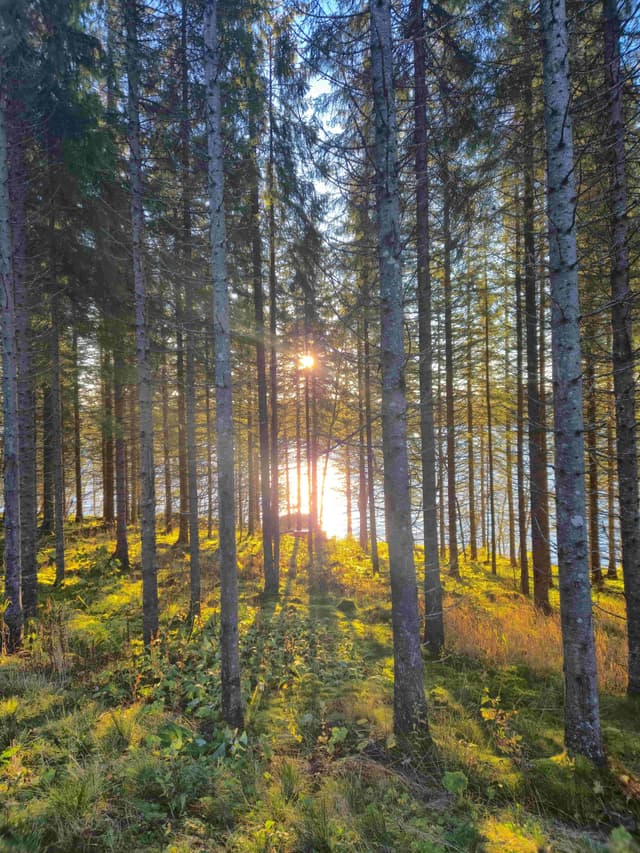
Nature has always been a central teacher in shamanism. When we move out into the forest, sit by a lake or lie down on the earth, we can sense a different kind of belonging – a belonging that does not judge, but simply is. Nature reminds us that we are part of something greater, and that we have the right to be here, exactly as we are.
Working with shame and guilt in nature can be a powerful way to break isolation. Nature gives room for feelings, for tears, for anger and for grief. Here we can let our inner wounds breathe, and feel that we are not alone.
A simple practice is to take a walk in the forest, sit down by a tree, and let the body and mind relax. You can place your hands on the tree, feel the earth beneath you, and breathe deeply. Think of the shame or guilt you carry, and let nature receive it. Visualize how the shame or guilt flows out through your feet and down into the earth, where it can be transformed into nourishment for new growth.
Rituals – letting go and transforming
Rituals have always been an important part of shamanic practice. They give us a structure for processing difficult emotions, and a way to mark the transition from the old to the new.
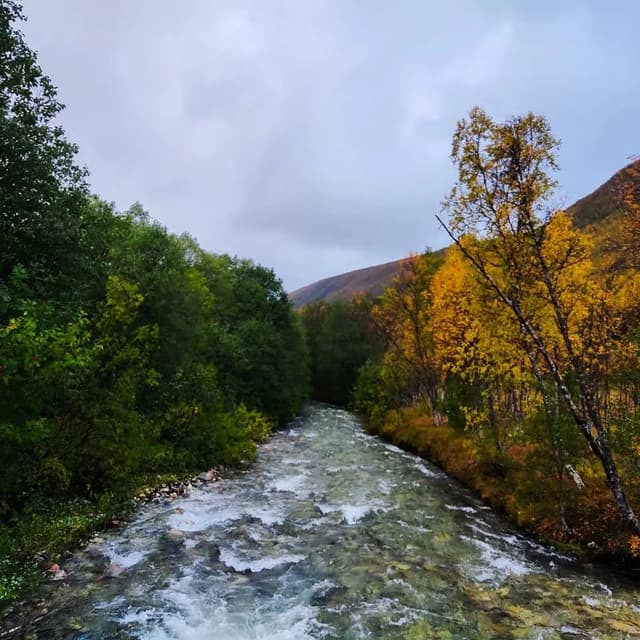
A simple ritual for working with shame or guilt can be to write down what you carry – an event, a thought, a feeling. You can burn the note, bury it in the earth, or place it in a river. While you do this, you can say a few words, sing a song, or simply be silent. Visualize how the shame or guilt leaves the body and mind, and how you become freer and lighter.
Another powerful ritual is to make a small circle of stones, sit in the middle, and let the shame or guilt flow out through your body and down into the earth. When you feel finished, you can rise and step out of the circle, as a symbol that you have let go and moved on.
Community – being seen and heard
Shame and guilt thrive in isolation. They make us hide, and keep our wounds to ourselves. Shamanism reminds us that we are not alone, and that community can be a powerful source of healing.
Sharing one's feelings with others, in a safe circle or with someone you trust, can be a way to break the power of shame. In shamanic circles it is common to gather to share stories, sing together, and support one another. Here we can experience being seen and heard, exactly as we are – without judgment, without expectations, only with care and respect.
Being witnessed in one's wounds can be one of the most healing experiences we can have. It reminds us that we are worthy of being seen, and that we have the right to be here.
Personal stories – journeys from shame to forgiveness
Anna's journey
Anna had carried a heavy shame since childhood. She had always felt "different", and experienced that she did not fit in. As an adult she had difficulty trusting herself, and often avoided situations where she might be judged or rejected. After taking part in a shamanic circle, she got the chance to tell her story – for the first time without being interrupted or judged. In the circle she was met with openness and compassion. Through rituals and drum journeys she found her way back to her inner strength, and learned to see herself with new eyes. Anna says: "I have learned that shame is not who I am, but something I have been carrying. When I share it, it becomes smaller. When I let nature receive it, I become freer."
Martin's journey
Martin had lived with feelings of guilt for many years, after doing something he regretted. He found it hard to forgive himself, and felt that he did not deserve love or belonging. Through shamanic rituals, including a fire ceremony for self-forgiveness, he got the chance to let go of the guilt. Martin visualized how he placed the guilt in the fire, and watched how it turned to ash. After the ritual he felt lighter, and could for the first time in a long while look ahead with hope.
Both Anna and Martin are fictional people, but their experiences are based on real ones.
Practical exercises for healing
1. Shame and guilt meditation
Find a quiet place, preferably in nature. Sit comfortably, close your eyes, and breathe deeply. Think of the shame or guilt you carry. Let the feeling be there, without judging it. Visualize how the feeling flows out through the body and down into the earth, where it can be transformed into nourishment for new growth. You can also visualize being embraced by nature, or by a spiritual helper who gives you strength and comfort.
2. Fire ceremony for self-forgiveness
Make a small fire, preferably in a bowl or in a safe place. Write down what you wish to forgive yourself for, or the shame or guilt you carry. Read it aloud to yourself, and place the paper in the fire. Watch how it burns up, and visualize how the shame or guilt leaves the body and mind. Say to yourself: "I forgive myself. I am worthy of love and belonging."
3. A circle for sharing and support
Gather a small group of people you trust. Sit in a circle, and give each person the chance to share something they carry of shame or guilt. The others listen, without giving advice or judging. Afterwards you can sing together, or do a simple ritual to mark the transition from the old to the new.
4. Power animals and spiritual helpers
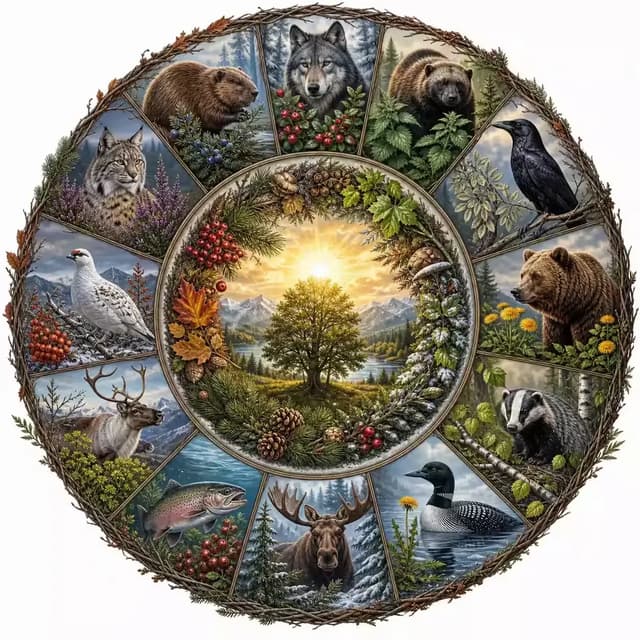
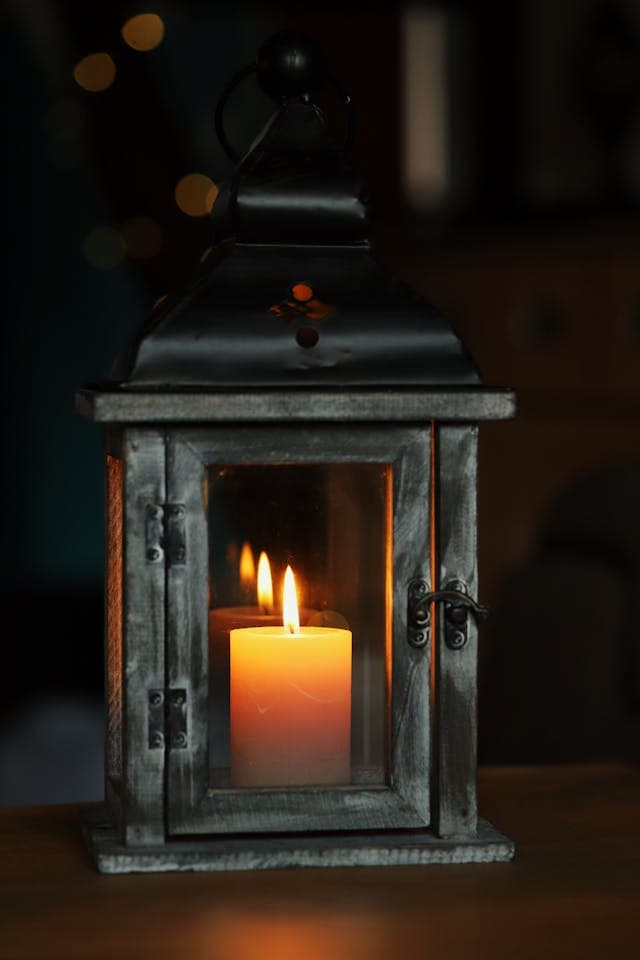
In shamanism, all people have power animals or spiritual helpers who can give strength and support. You can ask for help from your power animal or from the ancestors, whether through a drum journey, a meditation, or by lighting a candle in their memory. Visualize how the power animal or helper gives you strength, and helps you release shame or guilt.
Reflections on forgiveness and healing
Forgiveness is not only something we give to others, but first and foremost something we give to ourselves. Forgiving ourselves for mistakes, weaknesses and vulnerabilities is one of the most important gifts we can give ourselves. Shamanism reminds us that we are all human, with strengths and weaknesses, and that we have the right to live fully, no matter what we have been through.
Healing shame and guilt is not about forgetting or downplaying what has happened, but about acknowledging it, giving it space, and then letting it go. Through contact with nature, rituals and community, we can find the strength to stand in our wounds, and to move on with greater self-acceptance and love for ourselves and others.
References
Eliade, M. (2004). Shamanism: Archaic Techniques of Ecstasy. Princeton University Press.
Winkelman, M. (2010). Shamanism: A Biopsychosocial Paradigm of Consciousness and Healing. Praeger.
Rock, A. J., & Krippner, S. (2011). Demystifying Shamans and Their World: A Multidisciplinary Study. Imprint Academic.
Walsh, R. (2007). The World of Shamanism: New Views of an Ancient Tradition. Llewellyn Publications.
Hultkrantz, Å. (1992). Shamanic Healing and Ritual Drama: Health and Medicine in Native North American Religious Traditions. Crossroad.
Krycka, K. C. (n.d.). Shamanic Practices and the Treatment of Life-Threatening Medical Conditions. Seattle, Washington: Transpersonal Phenomenological Study.
Rosenthal, M. (2015). The Science Behind PTSD Symptoms: How Trauma Changes the Brain.
McGuire, M. B. (1988). Ritual Healing in Suburban America. Rutgers University Press.
LuminousQuest.com. (2024). Healing Toxic Shame.
Shamanicpractice.org. (n.d.). Healing Trauma: A Shamanic Approach.
Raina Teachings. (2020). 10 Steps to Healing Shame & Guilt.
Healingshame.com. (2017). Shame and Trauma.