In the diverse cultural landscape of the North Calotte, Kven, Sami, and Norse traditions have met and influenced one another over the course of centuries. This encounter has created a unique form of cross-cultural shamanism that reflects the region's rich history and complex identity.
Cultural Exchange Between Kvens, Sami, and Norwegians
The North Calotte has long been an area marked by cultural exchange and coexistence between different ethnic groups. Kvens, Sami, and Norwegians have lived side by side for several hundred years, and in many places there was scarcely any distinction between the groups. This close contact has naturally led to a mutual influence on belief systems and spiritual practices.
Shamanic traditions, which were central to Kven, Sami, and Norse culture alike, have been particularly subject to this exchange. Although each group had its own unique practices, we can see clear traces of mutual influence in rituals, the use of symbols, and cosmology.
Shared Elements in Shamanic Practices
Across the three cultures we find several shared elements in their shamanic practices:
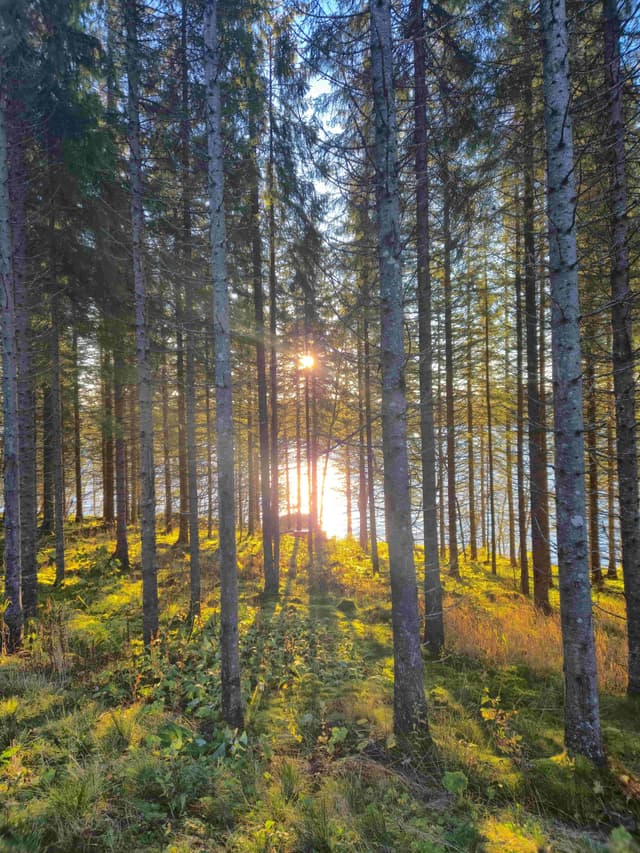
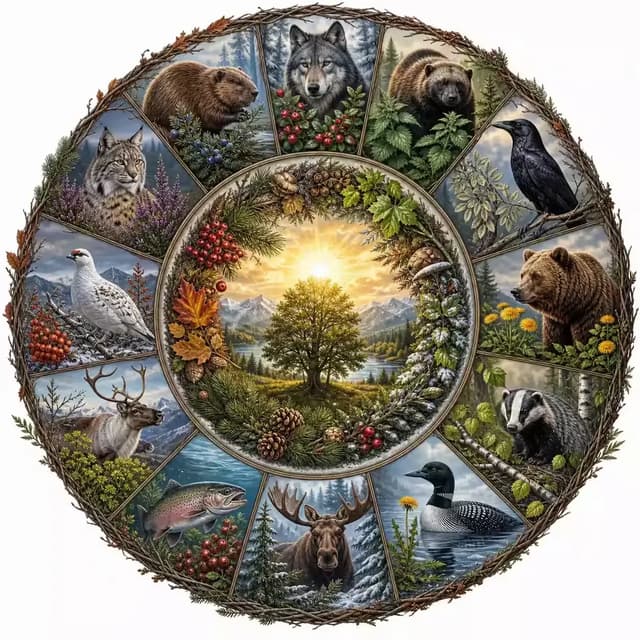
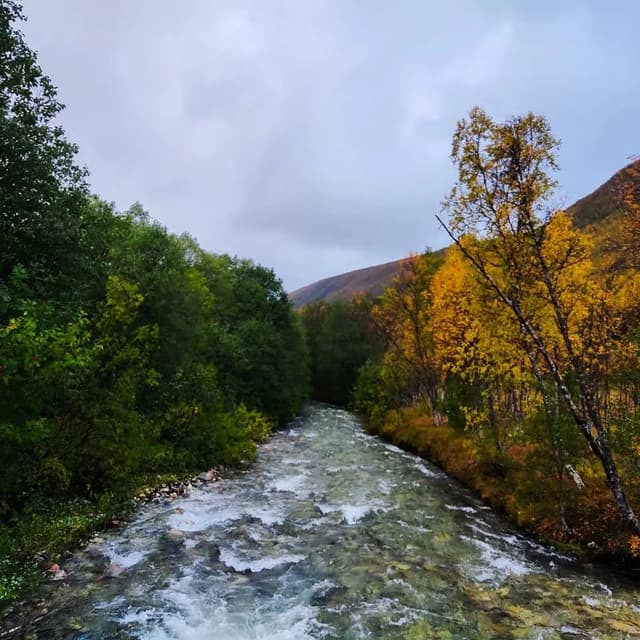
The central role of nature: All three traditions placed great emphasis on the forces and spirits of nature. Mountains, rivers, trees, and animals were regarded as ensouled and important within the spiritual landscape.
Trance and soul journeys: The use of trance to communicate with the spirit world was central to Sami, Kven, and Norse shamanism alike.
Healing rituals: The shamans in all three cultures performed healing rituals, often with the aid of herbs, incantations, and spiritual intervention.
A cosmology of multiple worlds: All three traditions operated with a cosmology that included several worlds or levels of existence.
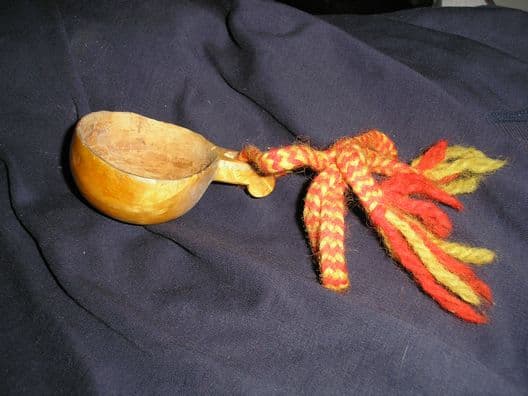
Use of ritual objects: Drums, staffs, and other ritual objects were important tools in shamanic practices across the cultures.
Unique Features of Kven Shamanism
While Sami and Norse shamanism are relatively well documented, the Kven tradition is less well known. This is partly because the Kvens, as a minority, have been subjected to intense assimilation and because much of their traditional knowledge has been lost.
Nevertheless, we can identify some unique features of Kven shamanism:
The tietäjä tradition: Kven shamanism is closely tied to the Finnish tietäjä tradition, in which wise men served as healers and spiritual guides.
Kalevala influence: The Finnish national epic Kalevala has had a great influence on Kven spirituality, and many of its runes and incantations were used in shamanic rituals.
The role of the sauna: The sauna held a special place in Kven shamanism and was often used as a sacred space for purification and healing.
Survival and Development Over Time
Shamanic traditions in the North Calotte have faced significant challenges throughout history. The Christianization of the region, later policies of Norwegianization, and modernization have all contributed to weakening the traditional practices.
Even so, elements of these traditions have survived, often in hidden or syncretic forms. In recent times there has been a growing interest in rediscovering and revitalizing these traditions:
Academic interest: There is a growing academic interest in studying and documenting traditional shamanism in the region.
Cultural revitalization: As part of a broader movement to strengthen minority cultures, there have been efforts to revive traditional spiritual practices.
Neo-shamanism: Modern forms of shamanism, often inspired by traditional practices, have gained a foothold in the region.
Cross-cultural dialogue: There is a growing interest in dialogue and exchange between different cultural groups about their spiritual traditions.
Cross-cultural shamanism in the North Calotte represents a fascinating fusion of Kven, Sami, and Norse traditions. This unique blend reflects the region's rich history and cultural diversity. Although many of the original practices have been lost or significantly altered over time, their legacy lives on in modern spiritual movements and in the growing interest in traditional knowledge.
The challenge going forward will be to find a balance between preserving and respecting the unique aspects of each tradition, while at the same time acknowledging and valuing the cross-cultural exchange that has shaped the region's spiritual landscape. This requires a sensitive and nuanced approach that respects both the historical roots and the modern expressions of these traditions.
Sources:
https://nordkalottfolket.no/tre-stammers-mote/
https://niku.brage.unit.no/niku-xmlui/bitstream/handle/11250/2562126/NIKUTema5.pdf?sequence=1
https://no.wikipedia.org/wiki/Samisk_historie_i_moderne_tid
https://www.udir.no/laring-og-trivsel/nasjonale-minoriteter/kvenernorskfinner/