Utiseta, once a deeply rooted practice in Scandinavian shamanism, has survived centuries of suppression and prohibition to be rediscovered and revitalized by modern shamans and spiritual seekers. Historically, Utiseta was a key practice for sages, völvas and other spiritual practitioners in pre-Christian times in Scandinavia. These individuals withdrew to remote places in nature, where they practiced silence, meditation and spiritual fasting to attain insight, guidance and healing from the spirit world.
Utiseta, the word meaning "to sit out" in Old Norse, was however suppressed and ultimately prohibited with the spread of Christianity and the introduction of the Christian faith in Scandinavia. Shamanic traditions, including Utiseta, were viewed as pagan and demonic by the new religious order, and as a result such practices were suppressed by ecclesiastical and political authorities.
Despite the prohibition of Utiseta, the practice has recently been rediscovered by modern seekers who wish to revive Scandinavian shamanic traditions. In an effort to understand and honor the spiritual heritage of their ancestors, modern shamans and spiritual practitioners have begun to practice Utiseta again. This rediscovery has not only restored a lost tradition, but has also helped strengthen cultural identity and understanding of Scandinavia's rich spiritual heritage.
Today, although Utiseta is no longer prohibited, it continues to bear the mark of its past suppression. Many who practice Utiseta do so with a deep respect for history and for those who suffered under the prohibition. It is seen as a form of spiritual resistance against oppression and a symbol of strength and endurance for those who fight to preserve their cultural and spiritual heritage.
Utiseta stands as a living example of the struggle between old and new values, between the pagan and the Christian, and between oppression and freedom. Through its rediscovery, Utiseta reminds us of the importance of preserving and honoring our cultural and spiritual heritage, even in the face of adversity and oppression. It is a powerful expression of the eternal struggle for the freedom to practice one's spiritual convictions and connection to the wisdom of one's ancestors.
Conducting and preparing for the Utiseta ceremony
A Utiseta ceremony requires not only inner preparation and alertness, but also physical preparations and caution to ensure a safe and meaningful experience.
Preparation for the Utiseta ceremony
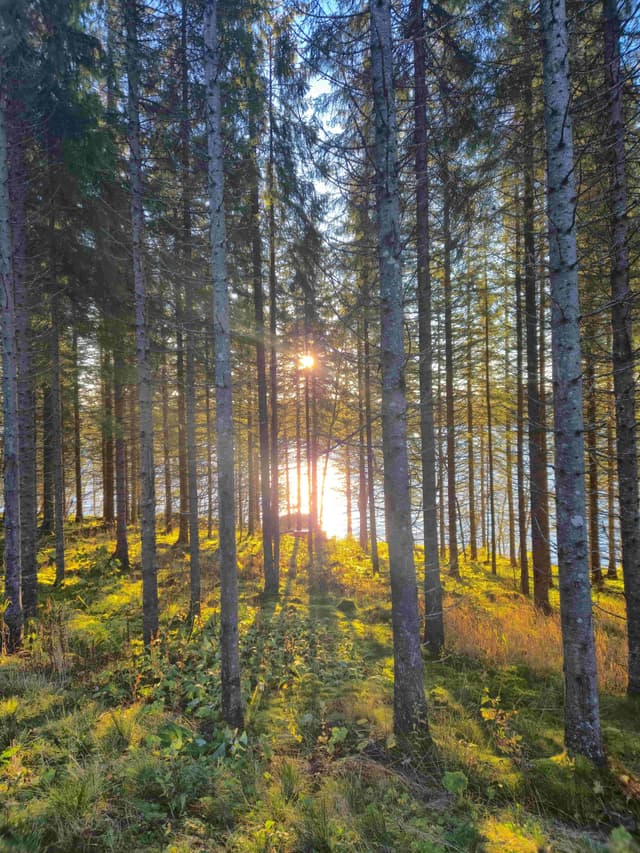
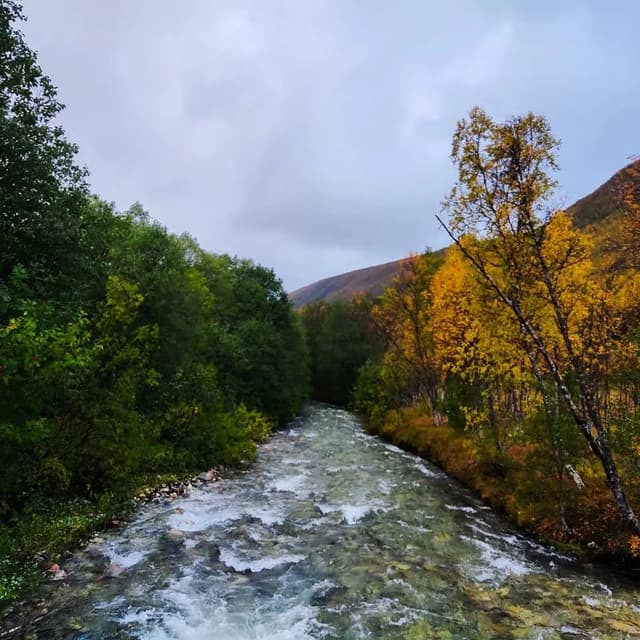
Choose a suitable place: Find a remote place in nature that feels sacred and powerful to you. This could be a mountain, a forest, a riverbank or another natural area that inspires calm and reflection.
Mental and physical preparation: Prepare yourself mentally through meditation and reflection in the days before the ceremony. At the same time, it is important to prepare the body by eating lightly and avoiding heavy food in the period before Utiseta. This will ease the transition to spiritual fasting during the ceremony.
Bring adequate supplies: While a Utiseta ceremony traditionally lasts for three days, it is important to be prepared. Bring warm clothing, a sleeping bag or blanket, and most importantly, enough water. Although the ceremony involves spiritual fasting, it is important to avoid dehydration and maintain physical well-being.
Conducting the Utiseta ceremony
Arrival and making an agreement: Once you have found your place, take your time to become familiar with the site. Make an agreement with the spirits and the nature spirits about respect and reciprocity during the ceremony.
Sit down in silence: When the ceremony begins, sit down in silence and begin to alter your state of consciousness through meditation or drumming. Close your eyes and focus on your breath, allowing your thoughts to settle.
Spiritual fasting and alertness: Throughout the three days of Utiseta, continue to practice spiritual fasting by abstaining from food and distracting activities. At the same time, it is important to maintain a state of meditative alertness and openness in order to receive insight and guidance from the spirit world.
Respect for the body's needs: Although it is important to maintain spiritual fasting, be aware of the body's signals and drink enough water to avoid dehydration and keep yourself physically well hydrated.
Closing and follow-up
As the Utiseta ceremony draws to a close, thank the spirits and nature for their presence and guidance. End the ceremony with respect and gratitude for the insight and transformation it has brought you.
Follow-up and integration: After the ceremony, take time to reflect on the experiences and insights you have received. Write down thoughts, feelings and experiences, and use them as a springboard for further personal growth and integration of your learning into your daily life.
A Utiseta ceremony is not only a journey into the spiritual, but also a test of the endurance of body and soul. If you are well prepared and respectful during the ceremony, you can experience a deeper connection with nature, the spirit world and your inner self.