Nature's pantry has opened
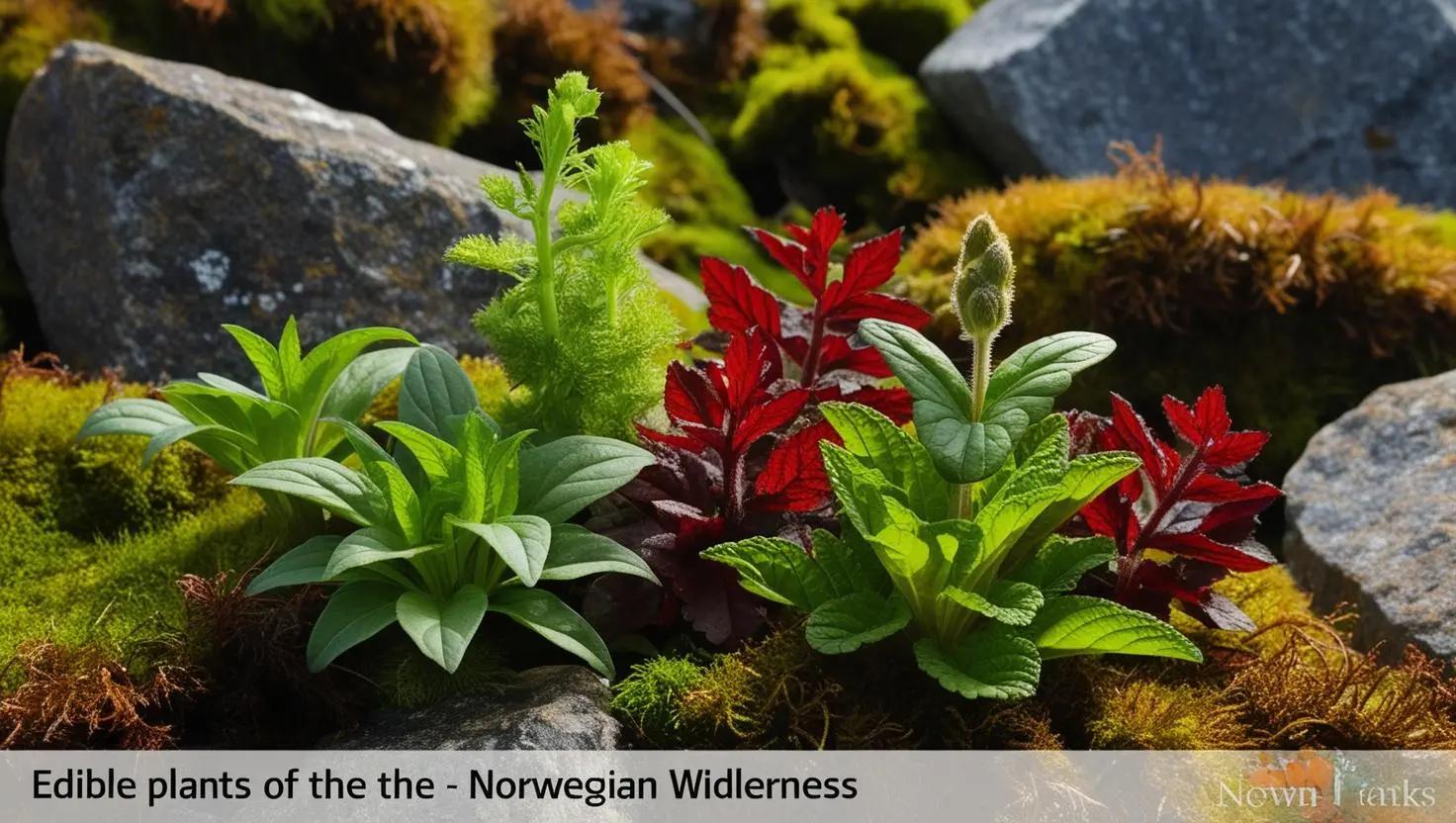
Norwegian nature is brimming with edible plants – a true pantry for anyone who wants to gather food straight from the wild. From early spring to late autumn you can find a diversity of tasty and nutritious plants. Here you get an overview of at least 15 edible plants you can find in Norwegian nature, with tips on use and identifying features.
- Stinging nettle (Urtica dioica)
Young shoots and leaves can be used for soup, smoothies, or as a spinach substitute. Rich in vitamins and minerals. Remember gloves when gathering and blanch the plant before use.
- Fireweed (Chamerion angustifolium)
Young shoots can be fried like asparagus, the leaves can be used in salad or for tea, and the flowers add colour to cordial and cakes. The roots can also be eaten after preparation.
- Dandelion (Taraxacum spp.)
The root, young leaves, flower buds, stem and flower are all edible. Use the leaves in salad, make capers from the buds, or use the flowers for syrup and jelly.
- Lamb's quarters (Chenopodium album)
The leaves can be used like spinach, in soup, stew or omelette. Also known as a nutritious plant.
- Common sorrel (Rumex acetosa)
Tangy leaves that can be used in salad, soups or herb butter. The young flower can also be used as a garnish.
- Ground elder (Aegopodium podagraria)
Young leaves are used like spinach in soups, salads or pies. A common weed with great food value.
- Spruce shoots
The light green shoots on spruce trees in spring have a fresh, tangy taste and are suited to cordial, syrup and dressings.
- Garlic mustard (Alliaria petiolata)
The leaves have a mild garlic flavour and can be used in pesto, salad or as a culinary herb.
- Wych elm seeds (Ulmus glabra)
The flat, green seeds can be eaten raw in salad or lightly fried in a stir-fry.
- Wild roses (Rosa spp.)
The petals can be used for sugar and jelly, while the rose hips can be used for soup, purée or dried for tea. Remember to remove the seeds before use.
- Wood sorrel (Oxalis acetosella)
The leaves have a fresh, tangy taste and go well in salads or as a garnish for fish dishes.
- Lady's mantle (Alchemilla vulgaris)
Young leaves can be used in salad or as an herbal tea. Traditionally used in folk medicine.
- Sea buckthorn (Hippophae rhamnoides)
The berries are rich in vitamin C and can be used for cordial, jelly or as a flavouring.
- Silverweed (Potentilla anserina)
The roots can be eaten fresh or boiled, and have a high nutritional value.
- Common reed (Phragmites australis)
The roots contain sugar and can be eaten raw or boiled. Found in wetlands.
- Alpine bistort (Polygonum viviparum)
Both the roots and the bulbils can be eaten, and have a nutty taste.
- Giant bellflower (Campanula latifolia)
The pith of the stem has a sweet taste and can be eaten raw.
- Sea onion
A wild onion species that can be used as a seasoning or in salads.
- Wintercress
Young leaves and shoots can be used in salads or cooked like cabbage.
- Cuckooflower (Cardamine pratensis)
Leaves and flowers can be used in salad, pesto or as herb butter. Has a strong flavour.
Tips for gathering and use
Gather only plants you are completely sure of – some look-alike species can be poisonous.
Pick young leaves and shoots for the best taste and nutritional content.
Remember to harvest sustainably: take only a little from each place, so the plant can keep growing.
Norwegian nature offers a rich selection of edible plants, from forest floor to mountain and coast. With a little knowledge you can fill your basket with free, healthy and locally sourced food – straight from nature's own pantry.