In the Nordic countries, shamanic traditions have long been tied to specific places in nature. These sacred places have played a central role in rituals, sacrifices, and spiritual practices for the Sami, the Norse, the Forest Finns, and the Kvens. This article explores the physical places associated with shamanic practice in the Nordic region, their significance in different cultures, and how these places continue to attract interest in modern times.
Sacred Mountains and Lakes in Sami Tradition
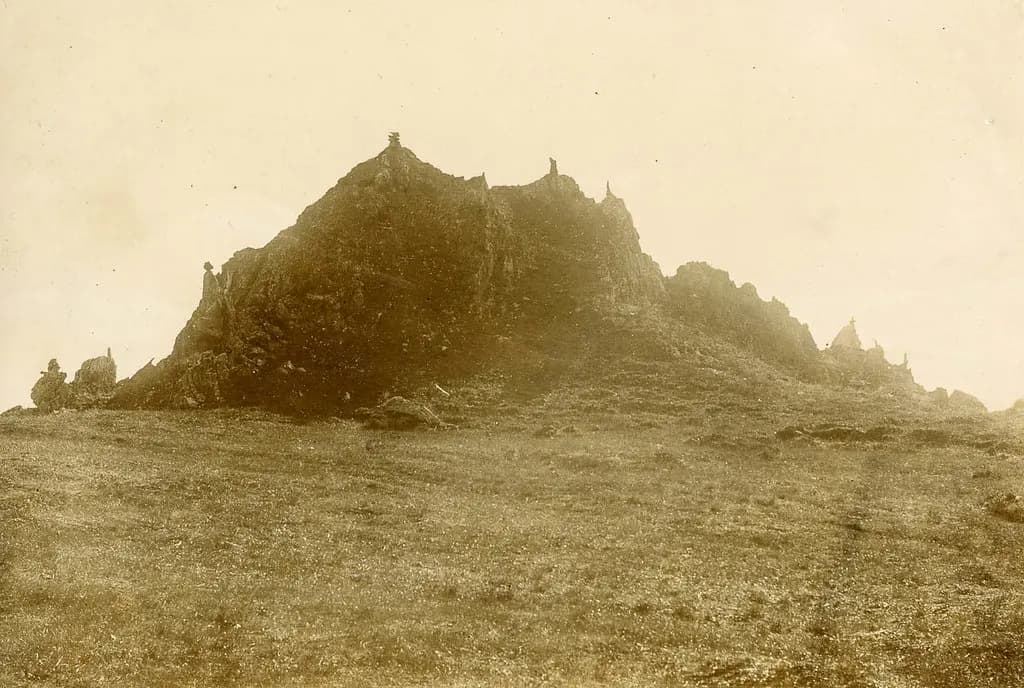
In Sami tradition, the landscape has always been regarded as ensouled, with special places considered particularly powerful or sacred. These places, known as "sieidi" in Sami, could be mountains, cliffs, lakes, or other natural formations.
Sacred Mountains
Among the most renowned sacred mountains in Sami tradition are:
Sállvvárri (Sáiva) in Kautokeino: This mountain was regarded as a place of power and a site for communicating with the spirit world.
The Áhkká massif in Jokkmokk: This mountain, named after the Sami goddess Áhkká, was an important ritual site.
The Saana mountain near Kilpisjärvi: This mountain plays a central role in Sami creation mythology.
These mountains were often used as sites for sacrifices and rituals. Noaidi (Sami shamans) could undertake soul journeys at these places, where they believed the boundary between the physical world and the spirit world was thinner.
Sacred Lakes
Lakes also held a special place in Sami shamanism:
Sáiva lakes: These were regarded as portals to the underworld and homes for spiritual beings.
Iddjajavrre in Tysfjord: This lake was known for its healing powers.
Stuorrajávri in Finnmark: A lake associated with sacrificial rites and shamanic practices.
The Sami believed that these lakes had double bottoms, where spiritual beings dwelt. Offerings to these lakes were a common practice to ensure good fortune in hunting or good health.
Norse Sacrificial Sites and Their Shamanic Significance
In Norse tradition, there were also specific places in nature regarded as sacred and used for shamanic practices and sacrifices.
Sacred Groves
Sacred groves, known as "vé" in Old Norse, were central to Norse religious practice:
The Uppsala grove in Sweden: This was one of the most significant sacrificial sites of the Norse period.
The Frøy grove at Trondenes: A grove dedicated to the god Frøy, known for fertility rituals.
Gudvangen in Norway: A place associated with the cult of Odin and shamanic practices.
These groves were used for blót (sacrificial ceremonies) and other ritual practices, including seid, a form of Norse shamanism.
Sacred Mountains and Cliffs
Certain mountains and cliffs also held great significance:
Helgafell in Iceland: This "holy mountain" was regarded as a place where the dead could enter the afterlife.
Thorsberg in Germany: A sacrificial site dedicated to the god Thor, where many archaeological finds have been made.
Hårga in Sweden: A mountain associated with Odin and shamanic practices.
These places were often used for communicating with the gods and ancestral spirits, a practice that had many similarities with Sami shamanism.
Forest Finnish and Kven Sacred Groves
The Forest Finns and Kvens, who immigrated to Norway and Sweden from Finland, brought with them their own shamanic traditions and sacred places.
Forest Finnish Sacred Places
The sacred trees of Finnskogen: Certain trees, often old pine trees, were regarded as sacred and used in rituals.
Smoke cabins: Although these were dwellings, they also had a ritual function in Forest Finnish tradition.
Saunas: These had both a practical and spiritual function and were used in healing rituals.
Kven Sacred Places
Sacred springs: Springs believed to have healing power were important in Kven tradition.
Saunas: As in Forest Finnish tradition, saunas had a spiritual significance beyond the practical.
Border-crossing sites: Places where one crossed boundaries (rivers, mountain passes) often had a ritual significance.
Both the Forest Finns and Kvens integrated elements from local Norse and Sami tradition into their practices, creating a unique form of syncretic shamanism.
Modern Pilgrimages to These Places
In modern times there has been a growing interest in these ancient sacred places, from cultural, spiritual, and touristic perspectives alike.
Sami Sacred Places
The Uksakka mountain: This mountain in Finnmark attracts both Sami and non-Sami visitors interested in Sami spirituality.
Trollholmsund in Porsanger: A place with ancient sacrificial stones that is still visited by many.
Norse Places
Gamla Uppsala: This historic site attracts thousands of visitors annually, including modern Ásatrú practitioners.
Borre in Vestfold: An important burial ground that is now a popular site for modern Norse rituals.
Forest Finnish and Kven Places
Finnskogen Cultural Trail: A walking route that takes visitors through important Forest Finnish cultural heritage sites.
Kven Heritage Route: A route in Northern Norway that includes several Kven sacred places.
These modern pilgrimages represent a blend of cultural tourism, spiritual searching, and the revitalization of ancient traditions. Many visitors report powerful experiences at these places, regardless of their personal beliefs or background.
Sources:
Bäckman, L. & Hultkrantz, Å. (1985). Saami Pre-Christian Religion: Studies on the oldest traces of religion among the Saamis. Stockholm: Almqvist & Wiksell International.
Bradley, R. (2000). An Archaeology of Natural Places. London: Routledge.
DuBois, T. A. (1999). Nordic Religions in the Viking Age. Philadelphia: University of Pennsylvania Press.
Fonneland, T. (2017). Contemporary Shamanisms in Norway. Oxford: Oxford University Press.
Heide, E. & Bek-Pedersen, K. (eds.) (2014). New Focus on Retrospective Methods: Resuming methodological discussions: case studies from Northern Europe. Helsinki: Folklore Fellows' Communications.
Hultkrantz, Å. (1992). Shamanic Healing and Ritual Drama: Health and Medicine in Native North American Religious Traditions. New York: Crossroad.
Kraft, S. E. (2009). Sami Indigenous Spirituality: Religion and Nation-building in Norwegian Sápmi. Leiden: Brill.
Lahelma, A. (2008). A Touch of Red: Archaeological and Ethnographic Approaches to Interpreting Finnish Rock Paintings. Helsinki: Finnish Antiquarian Society.
Pentikäinen, J. (2007). Golden King of the Forest: The Lore of the Northern Bear. Helsinki: Etnika.
Price, N. (2002). The Viking Way: Religion and War in Late Iron Age Scandinavia. Uppsala: Department of Archaeology and Ancient History, Uppsala University.