Shamanic ceremonies are profound, meaningful acts that have been part of human culture for thousands of years. They serve as bridges between the physical world and the spirit world, giving participants the opportunity to communicate with spirits, ancestors and the forces of nature.
A basic understanding of shamanism
Shamanism is a religious practice found in many cultures across the world, from the Arctic regions of Siberia to the jungles of the Amazon. The central figure in shamanism is the shaman, a person who acts as a mediator between people and the spirit world. The shaman has special abilities to travel between different worlds in order to gather wisdom, heal illness and help people with their problems.
Basic elements
Intention: Every ceremony has a clear intention or purpose. This may be communication with spirits, entering a spiritual state of mind, or carrying out a specific act such as healing.
The sacred fire: This is often a central element of the ceremony, symbolising the connection between the physical and spiritual worlds. That the fire is sacred means that you do not throw rubbish, cigarette butts or anything else into it. It is regarded as a living being. In Sjamanistisk Forbund we like to say that the ceremonial fire is the same fire by which our ancestors held their ceremonies, and that it should be treated with the same respect they showed.
Opening and closing the directions: This ritual involves invoking the powers of the four cardinal directions, as well as above and below, to create a sacred space for the ceremony.
Eimilauga (Smudging): A ritual cleansing with smoke from herbs, an important part of preparing for the ceremony.
The directions in shamanism
Shamanic ceremonies often involve working with the four cardinal directions: east, south, west and north. Each direction has its own meaning:
East: Represents birth, new beginnings and spring. This is where the sun rises.
South: Symbolises youth, life energy and fertility. This is the time of summer.
West: Connected to wisdom and maturity. Here we reflect on life's experiences.
North: Represents winter, introspection and death. It is the time for contemplation.
These directions give structure to the ceremonies and help participants orient themselves both physically and spiritually. In many traditions the directions down (Mother Earth), up (the Creative Force) and the fire or the heart are also used.
Preparing for the ceremony
Before a shamanic ceremony can take place, it is important to prepare thoroughly. This involves both physical preparation of the site where the ceremony is to be held and mental preparation of the participants.
Choosing the site
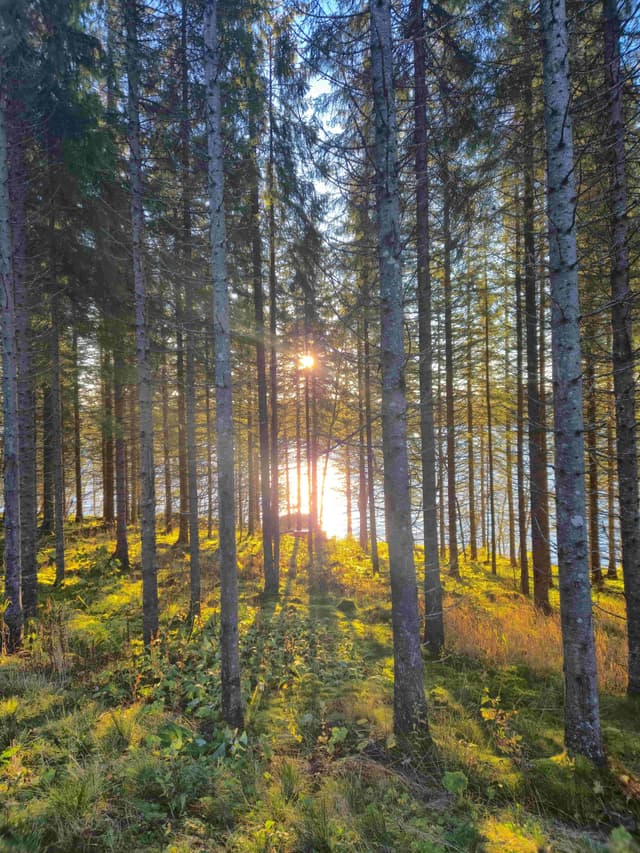
Ceremonies can be held at old, sacred sites or at places the participants themselves consecrate. If you wish to use a sacred site, you should first contact the relevant authorities, such as the Directorate for Cultural Heritage (Riksantikvaren), to make sure you have permission to use the place. Alternatively, you can create a new sacred site by consecrating an area in nature, preferably around a healthy tree or by a spring.
When choosing a site, it is important to listen to nature and its spirits. Participants should ask the place for permission to use it, explain the purpose of the ceremony and offer gifts in thanks. Gifts can be food, sweets or tobacco.
Equipment and shamanic paraphernalia
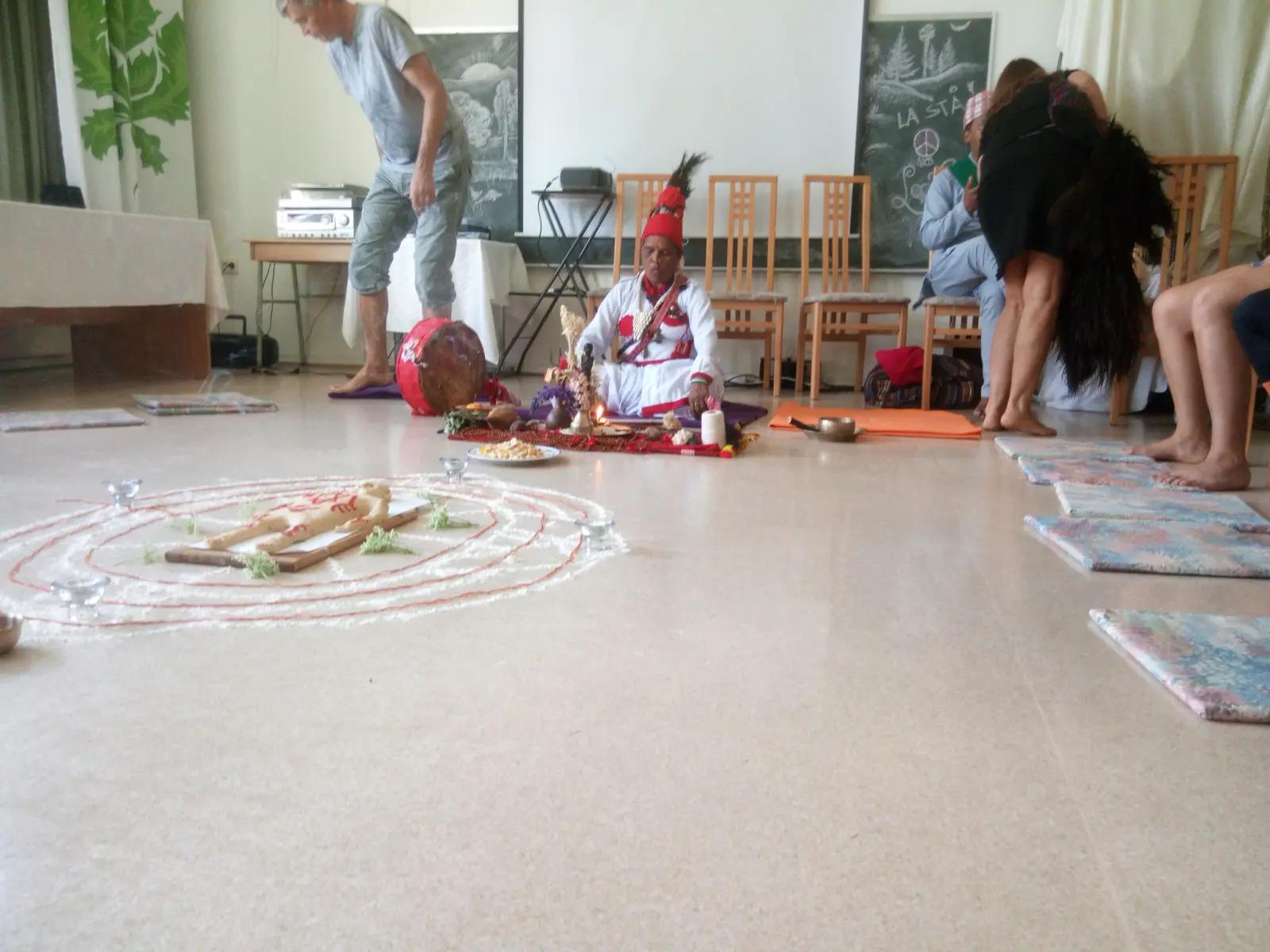
For many shamans, the equipment they use is just as important as the site where the ceremony is held. This equipment is often called "shamanic paraphernalia" and includes:
Drums: A central part of shamanic practice, used to induce trance.
Rattles: Another instrument often used together with drums.
Clothing: Traditional garments that may be made of natural materials and decorated with feathers or beads.
Incense: Herbs such as sage or other blends are used for cleansing (Eimilauga).
Medicine plants: Herbs that have specific healing properties, such as chaga.
It is worth noting that you do not need to be a shaman to take part in or lead a shamanic ceremony; many people use similar equipment and techniques in their spiritual work.
The sacred space
Every time a ceremony is to be carried out, a sacred space must be opened. This space serves as a protective frame around the ceremony and its participants. Opening the sacred space involves:
Rattling/singing/drumming: You begin by calling on power animals, helpers and spirits from each cardinal direction. Mother Earth, the Creative Force and the heart are also often included as "directions".
Listening to the energies: You attune the energies within the circle before the ceremony itself begins.
When the ceremony ends, it is done in the same way; you thank the invoked powers for their help and wish them a safe journey home.
Eimilauga – Cleansing with smoke
An important part of many shamanic ceremonies is Eimilauga, also known as smudging or cleansing with herbal smoke. This cleansing has several purposes:
Removing negative energies: The smoke from the herbs cleanses both the participants and the area where the ceremony takes place.
Bringing balance: Eimilauga helps create harmony between body, mind and soul.
Preparing the participants: By cleansing the participants, the way is paved for them to enter the ceremony with open hearts and a clear mind.
Traditionally, herbs such as juniper, mugwort, nettle and birch leaves are used in the Eimilauga process. Smoke from these herbs is passed over the eyes (for clarity), the mouth (for truth), the ears (for listening) and the heart (for empathy). This cleansing also offers protection against negative energies.
The ceremony itself
When everything is ready – the site is consecrated, the equipment is in place, and the participants are cleansed – the ceremony itself can begin. Here are some steps that are often part of the process:
Opening the ceremony
The ceremony leader opens the circle using drums or rattles.
The participants gather in a circle to create a safe space.
The theme of the ceremony:
The ceremony leader presents the theme of the ceremony based on the current full moon or season.
Participants are encouraged to reflect on their intentions connected to the theme.
Ritual acts:
Participants take part in various ritual acts, which may include drumming, offering, song or meditation.
These acts help participants focus the energies towards the intention of the ceremony.
Integrating the experience:
After the rituals, participants are given time for reflection in which they can share their experiences.
This can happen through conversation or silent meditation.
Closing the ceremony:
The ceremony leader thanks the invoked powers for their presence.
The circle is closed using drums or rattles before the participants return to everyday life.
The importance of intention
An important component of any shamanic ceremony is the intention behind the actions. Without a clear intention, the ceremony can feel empty or without direction. The intention sets the tone for what the participants wish to achieve – whether it is healing, gratitude or personal growth.
Examples of intentions
To heal emotional wounds
To let go of negative thoughts
To celebrate the cycles of life
To ask for guidance from the spirit world
The participants' ability to focus on this intention throughout the ceremony contributes greatly to its effectiveness.
The connection between shamanism and nature
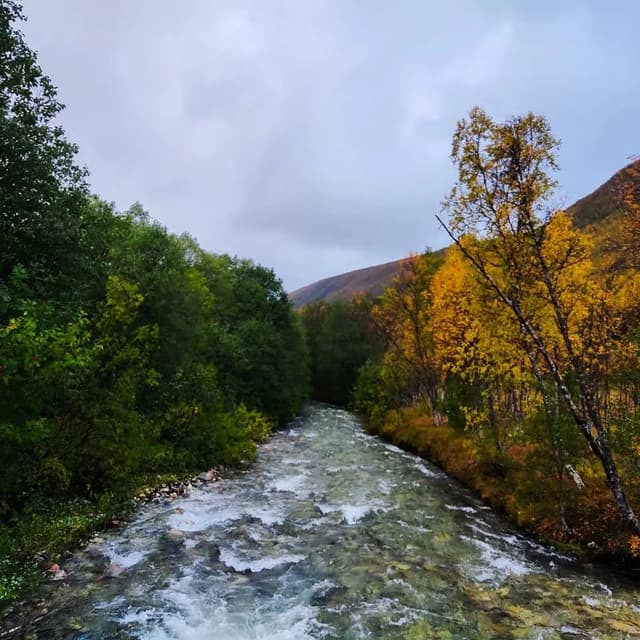
Shamanism has always had a deep connection with nature. Nature is regarded not only as a physical reality but also as a source of wisdom and healing. The elements – earth, fire, water and air – play an important role in the rituals:
Earth: Represents stability and nourishment.
Fire: Symbolises transformation and energy.
Water: Connected to emotions and purity.
Air: Connects us with thought and communication.
Participating in nature-based rituals gives a deeper understanding of life's cycles and our place in them.
Shamanic ceremonies offer a unique opportunity for people to connect more deeply with themselves, with one another and with the wider cosmos. Through ritual acts, space is created for healing, reflection and growth – both individually and collectively.
By respecting traditions while also opening ourselves to new ways of practising, we can continue to learn from the past while building a bridge towards the future.
References
Eliade, M. (1964). Shamanism: Archaic Techniques of Ecstasy. Princeton University Press.
Witzel, M., & others (2008). Archaeological findings on shaman burials in early human history.
Arawusa (2023). Top 10 Cultural Significances of Shamanic Drums.
Sem Tatyana (2019). Shamanic Healing Ceremonies and Hypnosis.
Wikipedia (2021). Shamanism entry detailing historical and cultural aspects of shamanistic practices.