Ásatrú, often referred to as "Nordic Ásatrú", is a modern revitalization of the old Norse religion practiced in Scandinavia before Christianization. Ásatrú means "faith in the Æsir", referring to the Æsir, a group of gods in Norse mythology. This neopagan movement aims to revive and adapt the old traditions, rituals and values to present-day society.
Historical Background The Norse religion, also known as Norse mythology, was a polytheistic faith that included a diversity of gods, goddesses and mythological beings. The best-known gods are Odin, Thor, Frigg, Freyja and Loki. These gods were central figures in the culture and society of the Viking Age, and their stories and myths were preserved through the sagas and Eddic poems.
With the arrival of Christianity in Scandinavia around the 11th century, the old religion was gradually displaced, and many of the old rituals and traditions were lost. However, many of these myths survived in literature and folk traditions, which has made it possible to reconstruct and revitalize the religion in modern times.
Revitalization of Ásatrú In the mid-20th century, a movement to revive the Norse religion began. This movement took shape as Ásatrú, which originated in Iceland and then spread to other Scandinavian countries, Europe and North America. In 1973, Ásatrúarfélagið, an Icelandic Ásatrú association, was formally recognized as a religious organization by the Icelandic government.
In Norway, Sweden and Denmark, similar organizations have been formed, such as Forn Siðr in Denmark and Nordiska Asa-samfundet in Sweden. These organizations work to promote Ásatrú as a legitimate religion, arrange rituals and ceremonies, and educate the public about Norse cultural heritage. Sjamanistisk Forbund has also, since 2012, been a central actor in preserving and revitalizing Norse Ásatrú with an emphasis on its shamanic elements.
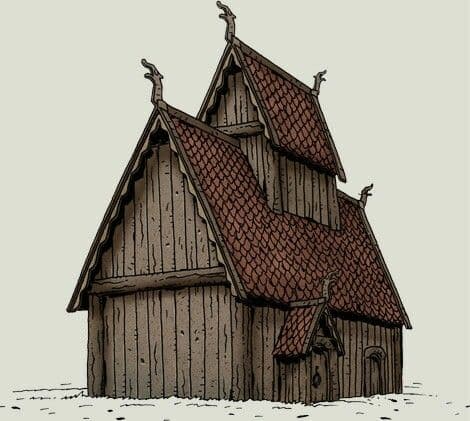
Belief and Practice Ásatrú practitioners worship the gods through blót, which are ceremonies in which food and drink are offered to the gods. These ceremonies can take place in nature, in temples or in private homes. Another important practice is sumbel, a festive drinking ceremony in which participants toast the gods, heroes and ancestors.
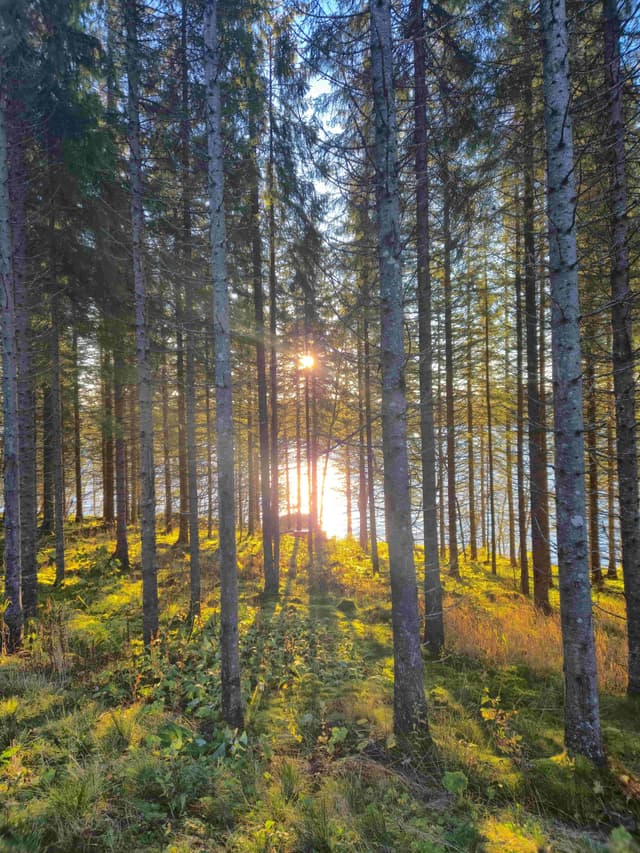
Central to Ásatrú is respect for nature and its cycles, and many rituals are connected to the turning of the seasons, such as the spring and autumn equinoxes, midsummer and midwinter. Many Ásatrú practitioners also emphasize personal honor, integrity and strength, and seek to live in accordance with the Norse virtues.
Key Figures and Organizations Sveinbjörn Beinteinsson: One of the founders of Ásatrúarfélagið in Iceland, and a key figure in the revival of Ásatrú. He served as allsherjargoði (high priest) until his death in 1993. Hilmar Örn Hilmarsson: The current allsherjargoði of Ásatrúarfélagið, and a well-known Icelandic musician and composer. Rudolf Simek: A well-known scholar and author who has contributed greatly to the understanding of Norse mythology and religion through his research and books. Ásatrú and Shamanism: Parallels and Differences Ásatrú and shamanism have some similarities, but also significant differences:
Nature worship: Both traditions place great emphasis on nature and its cycles. Ásatrú celebrates the seasons and has rituals connected to nature, while shamanism often involves communication with nature spirits and the use of natural medicines.
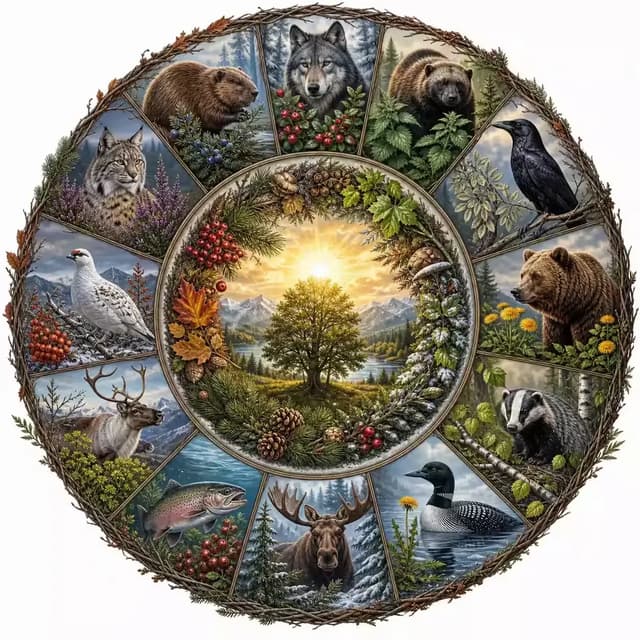
Spiritual Beings: In Ásatrú, the gods and mythological beings such as giants, dwarves and elves are central. In shamanism, spirit guides, animal spirits and ancestors are important.
Rituals and Ceremonies: Blót and sumbel in Ásatrú can be compared to shamanic ceremonies, where both traditions use rituals to honor spiritual beings and achieve spiritual insight. Shamanic rituals, however, can be more ecstatic and involve trance and spirit journeys.
Healing: While healing is not a central part of Ásatrú, it has an important place in many shamanic traditions, where the shaman acts as a healer through spirit journeys and the use of natural medicines.
Ásatrú in Today's Society Ásatrú has gained a significant following around the world. Many modern Ásatrú practitioners see their practice as a way to connect with the culture and traditions of their ancestors, as well as to find meaning and community in today's world. With increased recognition and acceptance of neopagan religions, Ásatrú continues to grow and develop. Ásatrú represents a living revival of the old Norse religion, adapted to modern times. Through its rituals, values and community, Ásatrú gives its followers a way to honor the traditions of their ancestors and achieve spiritual insight. Although it shares some parallels with shamanism, Ásatrú has its own unique approach to spirituality, nature and divinity.