Shamanism is one of the world's oldest spiritual practices, with roots in many different cultures across the globe. Each shamanic tradition has its own unique tools, but there are some common symbols and implements that recur. These include drums, flutes, shaman staffs and rattles, all of which are used to gain access to the spirit world, channel power or heal. In this article, we look at some of the most important shamanic tools in various cultures, their origins and how they are used.
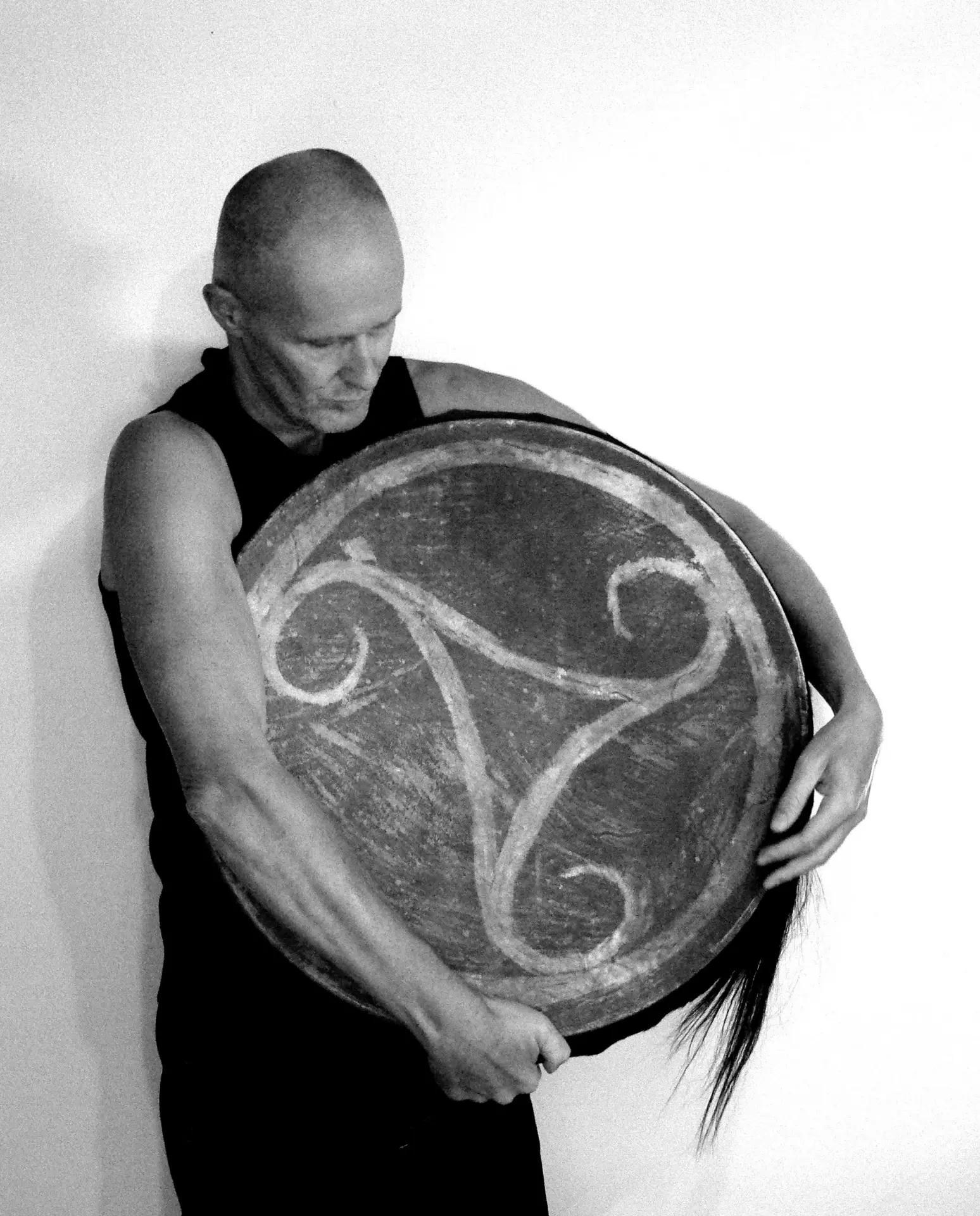
- The drum, the heart of the shaman's toolkit The drum is perhaps the most universal shamanic tool. It is used in shamanistic traditions around the world to summon the spirit world and achieve trance. The drum's monotonous rhythms help the shaman attain altered states of consciousness, making it possible to communicate with spirits or travel to the spirit world. The Siberian shamans, who are often regarded as the original shamans, have used drums for thousands of years. The drums are made of wood and hide, usually from reindeer or horse, and are decorated with symbols representing various spirits. The drum is believed to be an implement that connects the shaman with the universe and the three worlds: the upper, the middle and the lower world. Siberian shamanism can be traced back to the Stone Age, around 20,000 years ago. The drum also plays an important role in the shamanistic rituals of the North American indigenous peoples. Among the Lakota, the drum represents Mother Earth, and its rhythms symbolise the heartbeats of the earth. The drums often bear animal symbols representing spiritual guides. The use of drums in these traditions goes back several thousand years, long before colonisation.
In Sami shamanism, known as noaidevuohta, a special form of frame drum called a "runebomme" (ceremonial drum) is used. These drums are decorated with symbols that help the noaidi (the shaman) communicate with the spirit world. The drum holds an important place in Sami culture and has been used for thousands of years, probably since the Bronze Age (around 1800 BC).
- The flute, the sound that attracts spirits Flutes, often made of wood or bone, also play a central role in many shamanistic traditions. The sound of the flute is said to be able to attract spirits or create a connection with the elements of nature.
American indigenous peoples: In many indigenous groups in North America, the flute has been an important ceremonial instrument. For example, in Lakota culture, the sacred flute, known as the "Cedar Flute", is used to call upon the presence of the spirits and in healing ceremonies. This tradition can be traced back to prehistoric times, perhaps over 5,000 years.
Mesoamerican shamans: In ancient Mesoamerica, in cultures such as the Maya and the Aztecs, flutes made of bone or clay were used in rituals to communicate with gods and spirits. The flutes could imitate the sounds of nature, such as birdsong, to create harmony with the environment. The use of these flutes can be traced back to at least 1500 BC.
- The Nordic shaman staff: the source of power and wisdom In Nordic shamanism, the staff plays a central role. It symbolises power, wisdom and a connection to the spirit world.
The seiðr tradition: In Norse mythology and in the seiðr tradition (a form of shamanism practised by the völvur, the Norse female shamans), the staff, often called the "seiðstafr", was one of the most important tools. This staff was used to weave the threads of fate, foretell the future, and convey messages from the gods. Seiðr has its origins in pre-Viking times, presumably around the Bronze Age (around 2000-500 BC), but it reached its peak in the Norse period, between the 9th and 11th centuries AD.
Sami shamanism: The Sami also had their shaman staffs, often made of bone or wood, which were used in ritual acts and as a form of connection to the underworld forces. The staffs could be decorated with figures representing spirits or animals, and they were used as a guiding tool to direct rituals.
- Rattles: the sound that awakens the spirits Rattles are another tool used in many shamanistic cultures to awaken the spirits or create an atmosphere that promotes healing. Rattles are often made of natural materials such as dried fruit shells, bone or shells, and produce a sharp, vibrating sound said to be able to attract the attention of the spirits.
South America: Among Amazonian indigenous peoples, such as the Yanomami, rattles are often used in healing rituals and to drive out evil spirits. The rattles are often made of gourds or seed pods and are filled with small stones or seeds. These traditions can be traced back several thousand years.
African shamans: In many African shamanic traditions, such as among the Zulu in South Africa, rattles made of calabashes or animal claws are used. The rattles are used to create rhythmic sounds during trance rituals, in which the shaman makes contact with the spirits of the ancestors. The use of rattles in Africa is very ancient and can be dated back to the early Stone Age cultures.
Shamanic tools such as drums, flutes, staffs and rattles have been used in various cultures for thousands of years. They carry powerful symbols and connections to the spirit world, and although they vary in appearance and function from culture to culture, they share the same purpose: to connect people with the sacred. The drums bring rhythms from the spirit world, the flutes attract spirits with their melodies, the staffs channel power, and the rattles bring the spirits to life. These tools, with roots in the past, continue to play an important role in today's shamanistic practices around the world.
Sources
Hoppál, Mihály. Shamanism: An Encyclopedia of World Beliefs, Practices, and Culture. ABC-CLIO, 2004.
Vitebsky, Piers. The Shaman. University of Oklahoma Press, 2001.
Samuel, Geoffrey. The Origins of Yoga and Tantra: Indic Religions to the Thirteenth Century. Cambridge University Press, 2008.
Ingold, Tim. The Perception of the Environment: Essays on Livelihood, Dwelling and Skill. Routledge, 2000.