Eldbjørgdagen, celebrated on 7 January, is a feast day with deep roots in Norse tradition and pagan custom. This day marks the close of the Christmas festivities and has a rich history connected to the cult of fire and fertility rites.
Origin and significance
Eldbjørgdagen, also known as eldbergingsdag or eldsdagr jóla in Norse times, takes its name from the term "eldberging", which means to save or preserve the fire. This refers to the important role fire played in pre-Christian society, where the hearth fire in the home was central to survival and well-being.
Pagan rituals and customs
On Eldbjørgdagen people carried out several ritual acts connected to fire and fertility:
Eldbjørgminne: This was a custom of drinking a memorial toast, often called "eldbjørgminne". This ritual had a deep symbolic meaning and was connected to taking omens for the future.
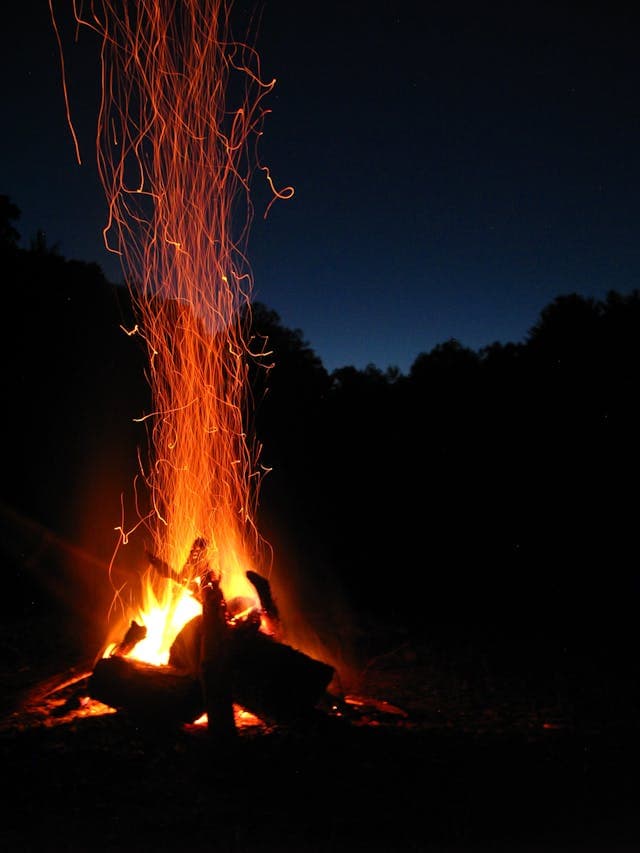
Offering to the fire: The housewife raised a toast to Eldborg (a personification of the fire) and offered ale, bread, and meat on the fire. This was a way of honouring the fire and ensuring its continued protection and warmth through the coming year.
Fire prayers: During the offering to the fire, special prayers or formulas were often recited. Two examples of such fire prayers are:
From Valdres: "Help me, God and Saint Knut, that my fire may never go out"
From Telemark: "So high my fire, but no higher and no hotter than this"
These prayers reflect the wish to preserve the fire and its life-giving power.
Mythological significance
Eldbjørgdagen fell in the heart of winter and marked an important transition in the Norse calendar. It was connected to hökunótt, or midwinter night, which according to Snorri marked the beginning of the pagan Christmas celebration. This day also marked the start of the torre month, the fourth month of the winter half of the year.
The Christian takeover
With the arrival of Christianity, Eldbjørgdagen was gradually assimilated into Christian tradition. The day became linked to the holy Knut Lavard, who was martyred on 7 January 1131. This led to the day also becoming known as "St Knut" or "Knut's day".
Despite Christianity's attempts to take over this pagan tradition, many of the old customs survived and were practised well into Christian times. This shows the strong attachment people had to the old traditions and their importance in everyday life.
Eldbjørgdagen stands as a fascinating example of how pre-Christian traditions have survived and been integrated into the culture of later times. It reminds us of our ancestors' deep connection to the forces of nature and their understanding of the cycle of the year. Although the day is not celebrated as actively today as before, it still carries the echo of a time when fire was sacred and central to people's lives.
References
Wikipedia: "Eldbjørgdagen" (Norwegian Bokmål and Nynorsk)
The Catholic Church: "The holy 'Eldbjørg'"
Heimskringla.no: "On King Torre and the torre sacrifice past and present"
Hyggiandi (WordPress): "Christmas ale and ritual ale-drinking"
Trollheimsporten: "A good Knut, departure day and Eldbjørg day – 7 January"