The article was first published in the members' newsletter.
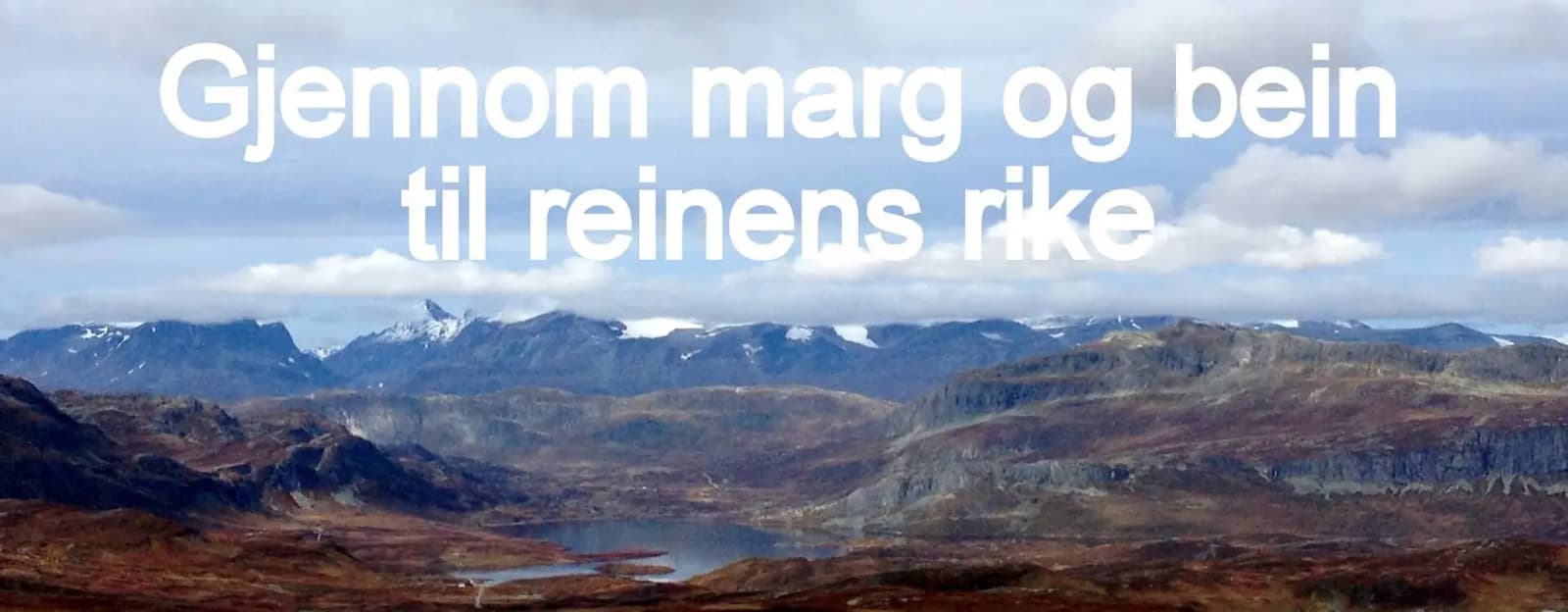
It is September 2017 and there is a forstander gathering in the mountains, which welcomed us in an explosion of colours, lit by radiant sun from a cloudless sky.
This time the forstander gathering also includes those who are, or have begun the path as, ceremony leaders.
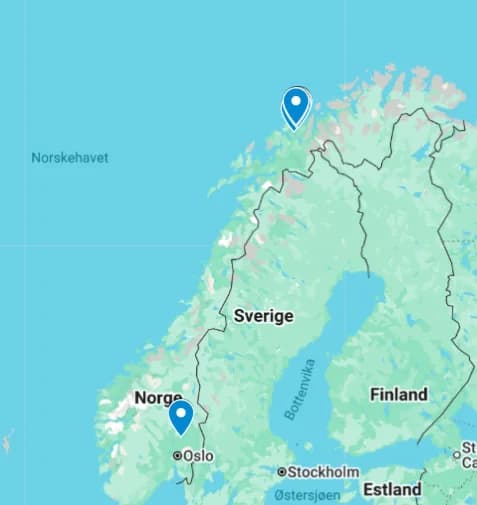
This gathering was mainly about us learning to make healing tools from the leg bones of reindeer. We had our camp in the mountains, in between the lakes Oløfjorden and Fleinsendin. Lavvo and tents were pitched and the coffee kettle simmered over the fire while ravens, falcons and rough-legged buzzards sailed overhead as if to keep an eye on us human souls.
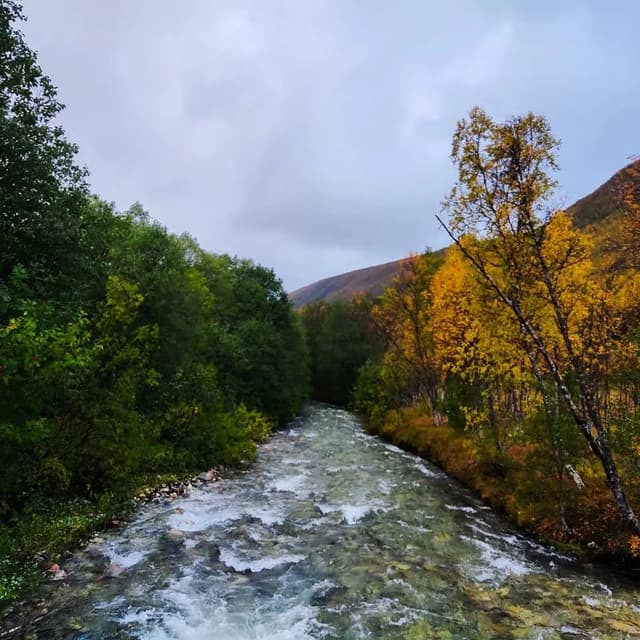
The first evening and night were spent in social company with good conversation and much laughter. At the same time it was also a time to attune ourselves to a ceremony frequency marked by the presence of the mountains and the reindeer. To live so simply and close to nature gives a feeling of abundance in the midst of simplicity, and the gratitude for everything Mother Earth gives us grew in pace with the hours spent there. The fire gave us warmth and food, the brook that trickled right by the camp gave us the water we needed, and on the ground we could simply help ourselves to treats in the form of berries. To sit before the fire beneath a starry sky reminds us of what we once were a wholly natural part of: nature. One becomes humble and happy when one can feel this.
The morning took us to the first ceremony, which was a preparatory ceremony with a focus on gratitude and on the reindeer that was to become a helper for each of us showing itself clearly to us. After the ceremony we go to the place where the reindeer are gathered, caught and sorted.
It was a mighty sight to see the great reindeer herd come down the mountainside towards the gathering place, driven by helicopter and in places by people. Sorting and slaughtering had already been going on for a couple of days, and a couple, Sara and Isak Eira, were flaying the skin off leg bones. This is to be used to make Bellinger. They show us how to flay and prepare the leg bones. A cheerful comment from Isak that we must take plenty of leg bones with us and boil up a broth for soup, because this is the world's best aphrodisiac, makes us all laugh.
Inside the holding pen the reindeer run in a circle, counter-clockwise, without any stress at all. The animals make no sounds, you hear only the soft tramping of hooves on the grassy ground. The people who are there to pick out animals and take them to weighing or slaughter are soft-spoken and calm. No shouting or sudden movements. The animals are handled with care and respect, and that, together with standing there feeling the warmth and the smell of the animals, gives a feeling of reverence.
We have all met the reindeer that is to become our helper. We follow the animals from the pen, in to slaughter and onward down the whole slaughter line. The head is cut off and the tongue taken out, the belly is opened and the legs sawn off. They are flayed and the offal and entrails removed. And out at the edge where we waited, we were handed the leg bones, with skin and hooves, still warm.
The sight at the slaughter site, where the heads were gathered for inspection, was both grotesque and beautiful. The beautiful reindeer heads stared at us with empty dead gazes. We gave thanks and bowed for their having given their lives for us, so that we could have food, tools and skins.
When we had all received our leg bones, and had also bought a few kilos of reindeer hearts to take with us, we headed back to the camp. The leg bones that were to become sacred healing tools were treated with respect and care. After flaying, we sawed off the leg bones and laid them carefully into the pot boiling over the fire. One at a time with their leg bones. The bones are hollow, and after a short boil the marrow began to seep out of the end holes. Then we fished them up and blew the marrow out of the leg bone. After that we sprinkled a little magic spice over the marrow and ate it while we sent our thoughts and thanks to the reindeer that had given us this.
After a quiet moment of gratitude, the leg bones were cleaned of remnants of meat and skin with a knife. When that was done they were set aside for a later ceremony. The pot, now full of broth from the sacred reindeer bones, was filled up with vegetables and brought to a boil. The reindeer hearts were cleaned, cut up and browned in good butter before we dropped them into the pot too, along with a good quantity of chanterelles and funnel chanterelles. Now the coming dinner could just sit and develop its flavour while we set off on a new journey.
We gathered in a circle around the fire and placed the leg bone from each respective reindeer in front of us with the thinnest end towards us. The drum led us into the realm of the reindeer and we conveyed gratitude and respect to the animal that had sacrificed itself for us. They became personal and powerful journeys for us all; tears of joy rolled, tears of gratitude rolled, tears of grief rolled, and the force that united us made the brook behind us sound like a waterfall of tears, which returned to Mother Earth as life-giving gratitude. It became a ceremony that touched us and gave us a helper and companion in the spirit world. The leg bones are to be used later for healing and to draw out bad energy and illness.
In deep respect and gratitude we set about eating the dinner. We ate until we were rolling, and then we ate a little more and nearly toppled over. Thank you, thank you, thank you to the beautiful reindeer for all the great gifts it gave us.
Finally, before we set course for home, we all take small detours around the camp and offer the remnants of skin, scraps of meat and other things to nature, to the spirits and beings of the place, in gratitude for everything we have received this weekend.
It is difficult to put into words everything that happens in such a setting; everyone has their personal experiences, but what can be said with certainty from us all is that we travelled home as slightly different people than when we arrived. It was an honour to receive the knowledge that was given to us through the weekend, and we will do our part to be tradition bearers and keep the knowledge alive. A great thank you to Knut, who was our guide and mountain expert in the highlands.