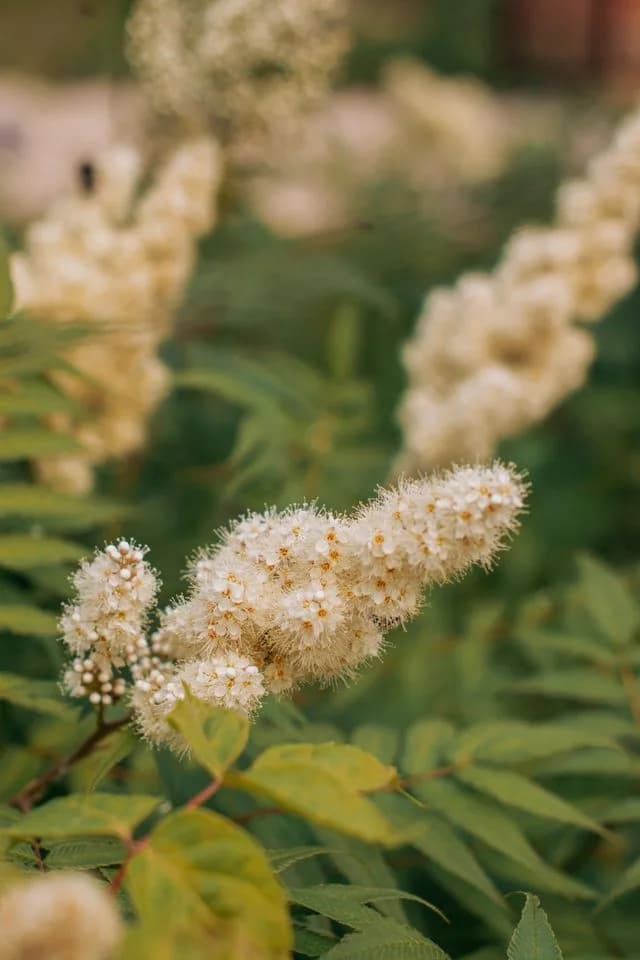
In many places in Norway, spring has arrived, and that means nature's larder has opened. In Norway, nature's edible plants are now and in the time ahead at their best. Nutritious and good. Here is a selection of them that you can find yourself.
Wild onion and field garlic
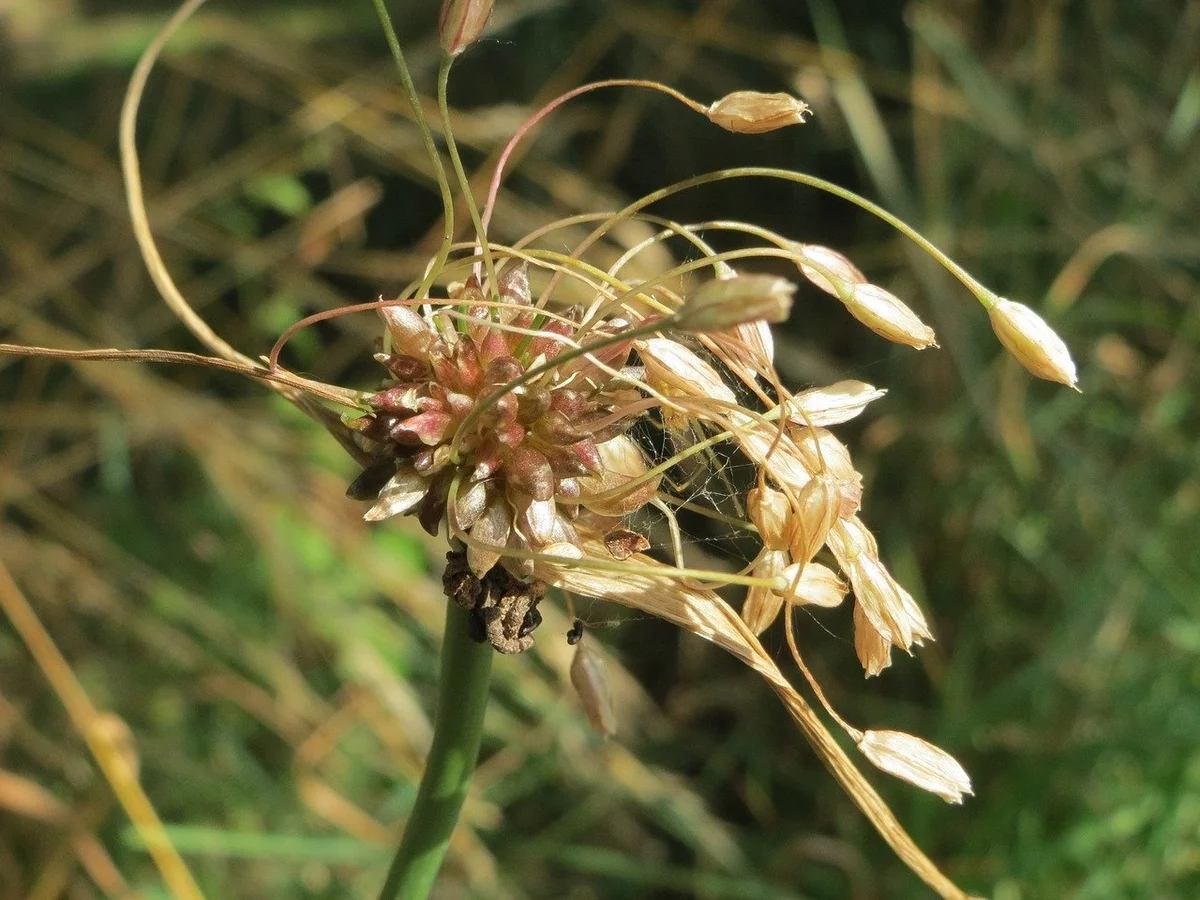
Is a flavorful onion that can be used just like onion and garlic. In spring the stalk can be used like chives, and later in the year the bulb can also be harvested. It tends to thrive in tall grass. Look for the whitish-purple flowers on a tall stalk. It has an exciting, piquant flavor and works equally well raw or cooked.
Ostrich fern
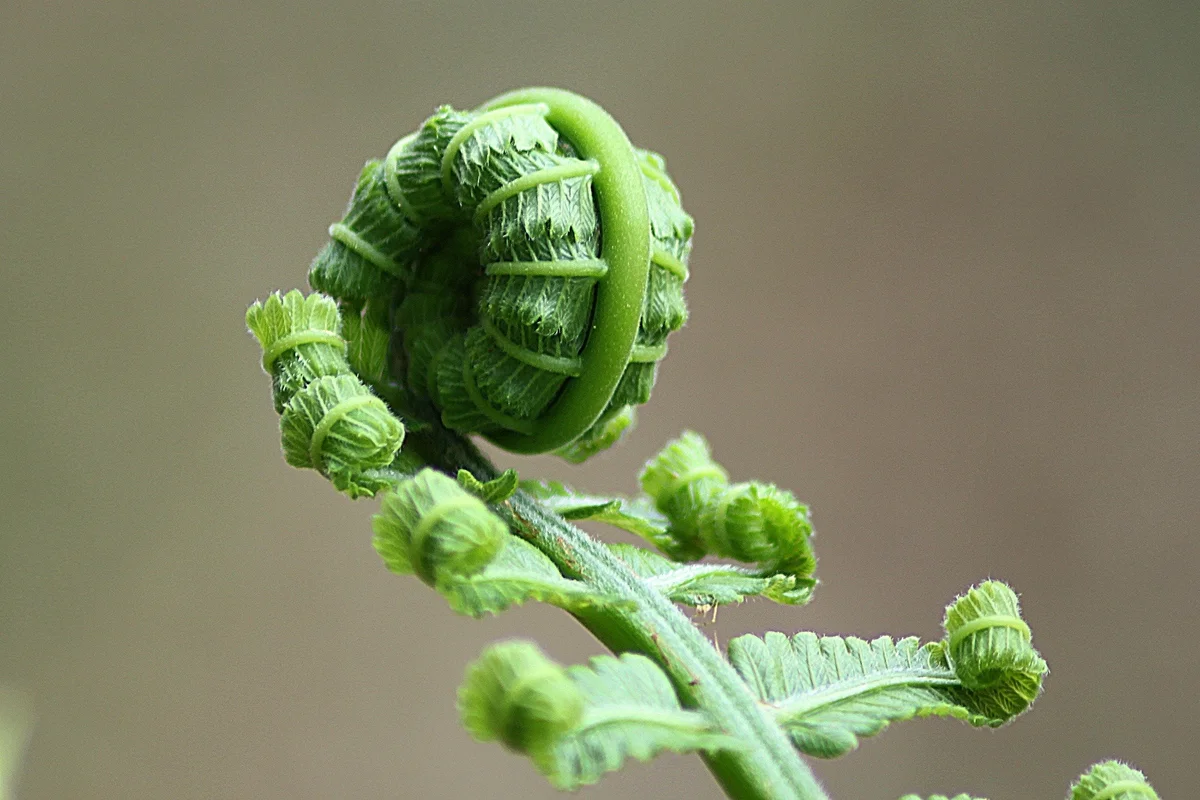
Is often called nature's asparagus and is used in the same way. It is harvested when the fronds are 5-15 cm long, before they have unfurled completely. It has a mild and nutty flavor and can be eaten raw, lightly fried or lightly boiled. Served with butter and salt. One of our largest ferns.
**Stinging nettle **
 .jpg)
.jpg)
Is a plant that most people know and have perhaps had stinging encounters with. This is one of the most nutritious and healthy plants nature's larder has to offer. It is best if you harvest it (with gloves) when it is about 15 cm tall. A couple of minutes in boiling water makes it no longer sting. Nettle soup is good and nourishing, but it can also be used in salads and stews. If you dry it, it works well in herb salt. Dried, it also makes a good herbal tea. There are many recipes with stinging nettle.
Dittander
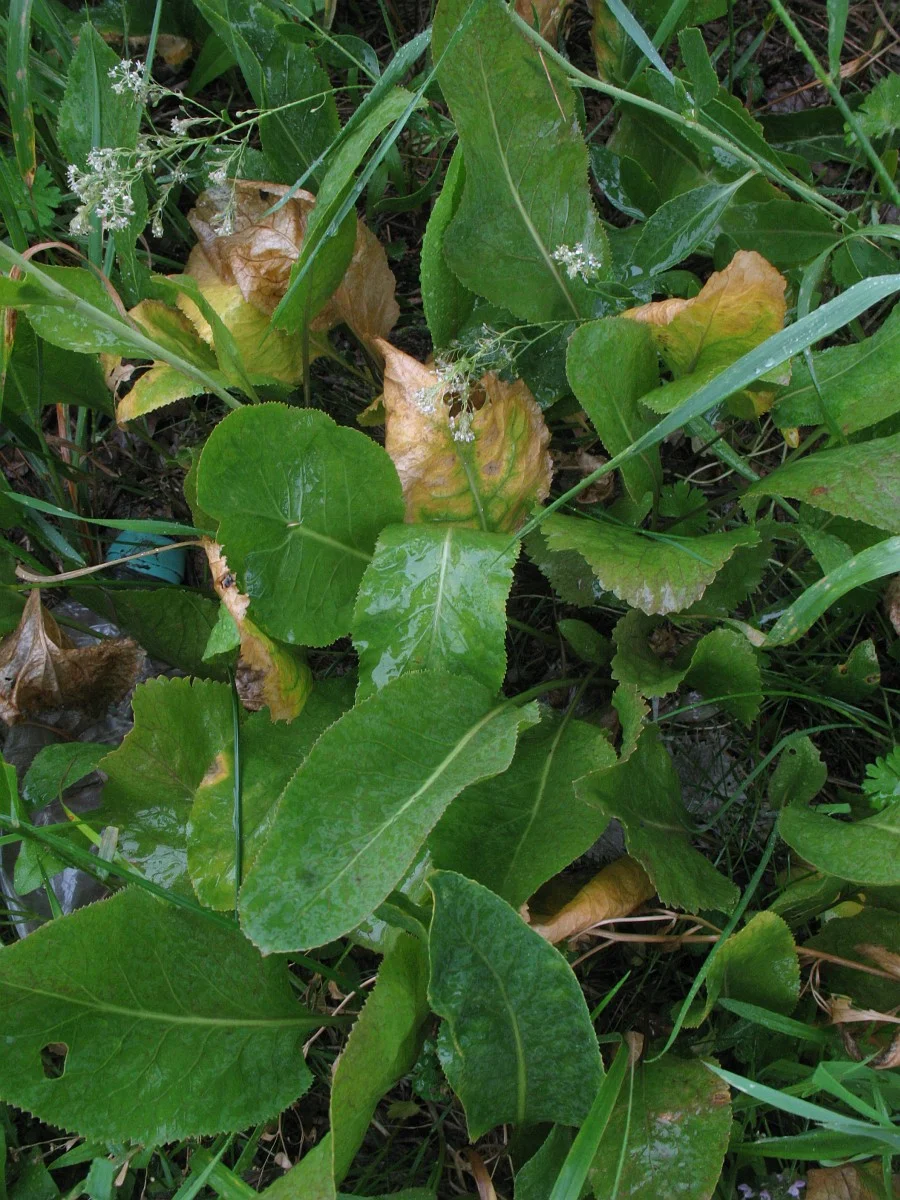
Is a little firecracker and tastes strongly of horseradish or wasabi. The slightly serrated leaves can be a bit difficult to find, but the flavor is unmistakable. Spice up soups, mashed potatoes, or make a dittander mayonnaise.
Wood sorrel

Also called forest sorrel, is a fresh and tangy plant that goes well in salads, as a snack, or as a refresher for sweet desserts and berries. In salads it works very well with both olive oil and parmesan. It freshens up fish, potatoes and soups. It can also be used in pesto. You can also make a cordial from it.
Common sorrel
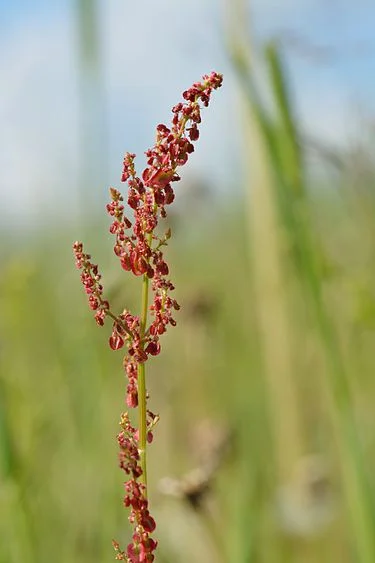
Common sorrel, or sour leaf, is popular in salads, but also heat-treated in soups, porridge or stews. Sometimes also as a dessert with sugar and milk. It contains oxalic acid, which in large amounts is unhealthy for the kidneys. One should limit the intake somewhat, while at the same time it is a good source of vitamin C.