The book can be bought here
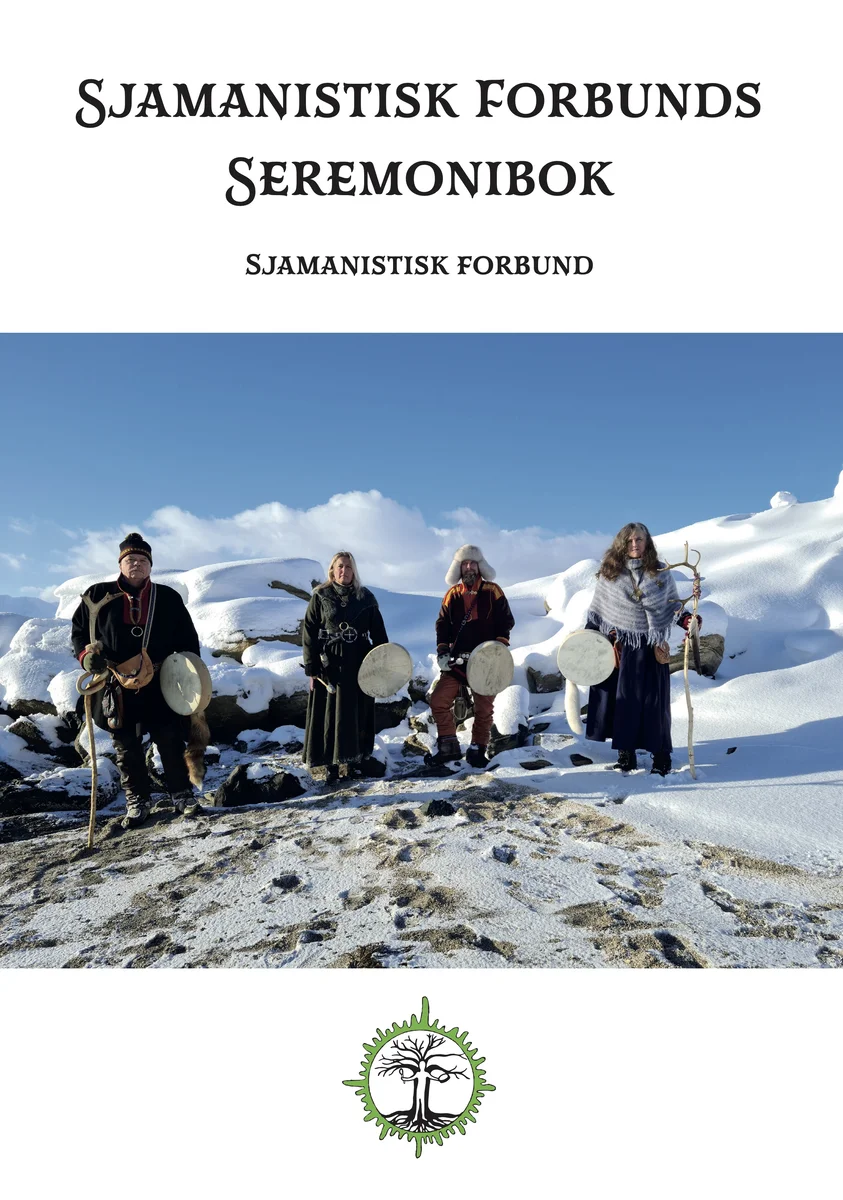
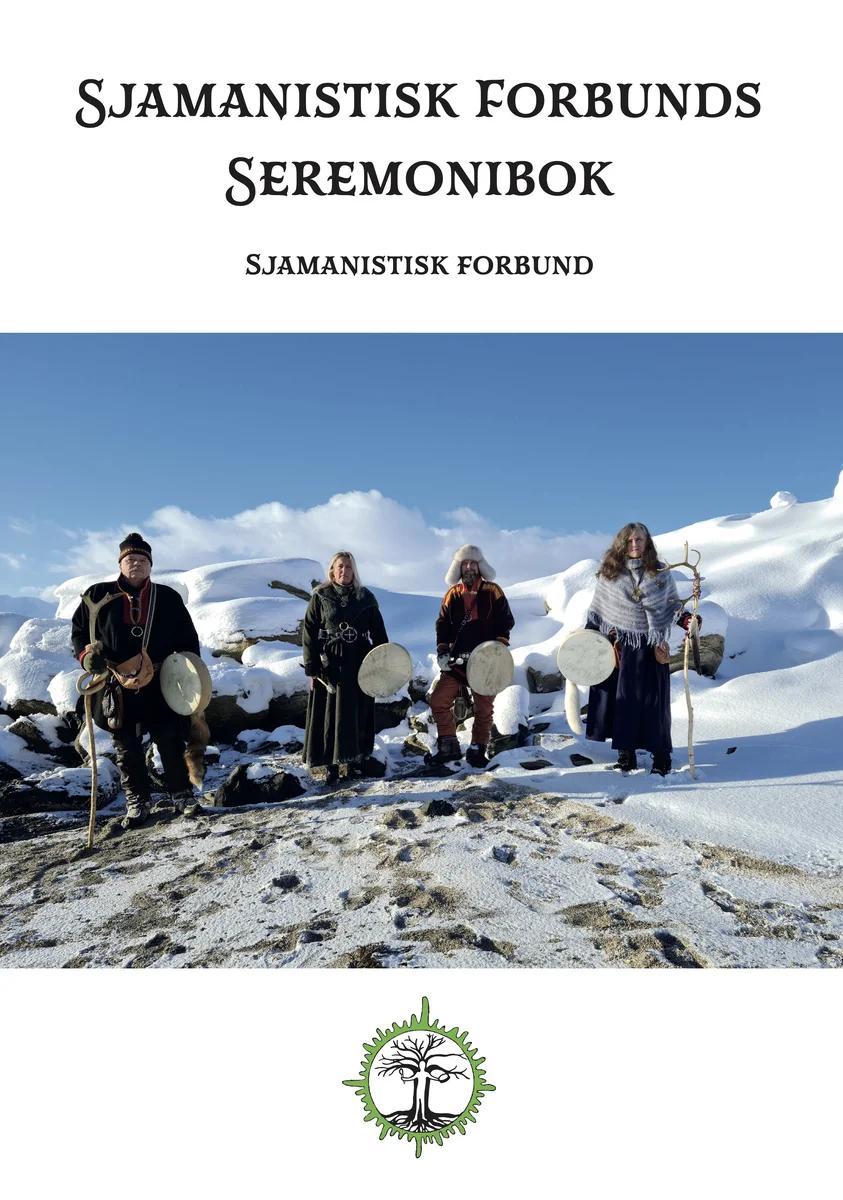
This is the first ceremony book in Norwegian that goes in depth into holding shamanic ceremonies. It is adapted to our cultures and traditions. There are many types of ceremonies; when we follow the course of the year and the rhythm of nature through ceremonial acts, we also come closer to and more in tune with nature. The ceremonies in this book must not be understood as the map being the road. It is up to the ceremony leader to bring the ceremony to life and give it their own colour. Local conditions may also require adaptation. The ceremonies can also be adapted to whatever paraphernalia you have available. (Drum, rattle and fan, and so on) There are many types of ceremonies; when we follow the course of the year and the rhythm of nature through ceremonial acts, we also come closer to and more in tune with nature. It is important that the one holding the ceremony listens to the spirits in the ceremony. As in all communication, it is a dialogue, or a dance if you will, between you and the forces. This book has been made with the wish to rediscover the forgotten language of our cultures. It is also important to familiarise yourself with the qualities of the animal or the plant and to consider such things as cycles and life spans. For each of the full moon ceremonies there is also a harvest calendar with recommendations on what you should harvest and when. Remember that Norway is a long-stretched country and different things are in bloom at different times. There is also a difference between mountain and sea. For all the ceremonies, the intention and symbolism of each plant and each animal are also included. Using these when you arrange the ceremony will help create a living ceremony
The book can also be bought at, for example, ARK
Excerpt from the book
**The Moon **
There is little doubt that the moon held great significance for our ancestors. The phases of the moon affect all life in the same way as they affect the sea. The Norse population called the moon god Mani, and the Sami called the moon goddess Mano, Manna or Aske. She was worshipped in the period around the new moon, and especially at the winter solstice. The Norse population counted the months from new moon to new moon. There are many legends and much mythology surrounding the moon in both Norse and Sami history. Both were nature-near religions and therefore influenced by the rhythms of nature. The phases of the moon were so important to people that they planned harvesting and hunting around them.
Everyone knows that the moon affects the sea, and there are often good fishing periods just after the new moon and the full moon. Up here in the north, wood is always cut on a waxing moon. Wood harvested on a "growing moon" burns better and dries much faster. You also never slaughtered on a waning moon, as the meat would quickly spoil and shrink in the pot.
Most people who work in the police or rescue services know that at full moon people become a little wild, and it is often a busy night for them. Many also struggle to sleep around the full moon. For those who are not so familiar with these rhythms, the idea that the moon affects us can be both frightening and unknown. It is by no means unusual for conflicts, unrest or psychological problems to manifest, or to become stronger, in the period around the full moon. And for you to be more in balance at the new moon.
For us who find the sacred in nature, this is nothing strange, but a part of nature's cycles. For us, the spiritual world and the ordinary world are equally real and important. At the new moon we begin a cycle, a goal or a project that reaches its highest energy and culminates at the full moon. You could say that we both live and practise our faith in tune with the rhythm of nature. The new moon in the shamanic sense is, incidentally, not counted in the same way as when the calendar marks the new moon (that day is, incidentally, called the dark moon by many). It is counted from when the first crescent is visible. That is, about a day later.
By celebrating nature's own rhythm, you become part of nature, and you also gain a greater understanding of yourself and the spirit forces in nature. In olden times these customs were upheld, and they still are today. Many people have rituals at the new moon and at the full moon.
The dark moon is a time for rest, and you should refrain from rituals then.
The new moon is a good time to start projects, rituals and prayer for what you wish for, and to set yourself goals.
When the moon waxes, you draw things toward you and into your life.
At the full moon the energy is at its highest; this is also a time to go within and perform rituals for all goals. It is also a time to rid yourself of things you no longer need. (Whether physical, mental or spiritual.)
**The Full Moon **
The full moon is the culmination of the cycle that began at the new moon. It is then that the energy is at its highest, and we reap what we have sown. All ritual acts on this day will have an amplifying effect. In many cultures it is regarded as especially health-giving to perform ceremonies on this day. In fact, some studies also show that the full moon affects water, hormones, metabolism, fertility and the mind, both in us humans and in nature otherwise. So perhaps it is not so strange that our ancestors celebrated this day. Every force in the universe has a counterforce, including the moon's positive power. The negative influence of the full moon is psychological imbalance, violence and conflict. By celebrating the full moon, you harmonise yourself with nature and the forces there. Through full moon rituals you create a positive balance in your life. The full moon's influence lasts for three days. The day before, the full moon day, and the day after.
**The New Moon **
The new moon is a birth, a cycle that grows toward the highest point, the full moon. The peak of a cycle. And then it gradually wanes to the dark moon, a complete life cycle. The new moon represents a new start, a beginning. It is traditionally used to set goals or start new projects. But also to reflect on how your goals have been going. Unlike the calendar, the shamanic new moon is only when the first crescent is visible in the sky. That is, a day after what is called the new moon in the modern calendar. On this day it is especially important to surround yourself with positive thoughts and goals. This is because the energy you carry on this day, you also carry with you into the coming cycle. It is like a seed being planted. It is a fine day to do good deeds, and healing rituals done on this day are especially powerful. The new moon, as part of the eternal cycle, gives you a symbolic opportunity to start anew, a chance to change direction and renew yourself.
**The Dark Moon **
In the calendar this day is usually called the new moon. But in the shamanic tradition it is known as the dark moon. This is a day for rest and self-care. At this time you are strongly affected by the absent moon, and this is mirrored in mind and emotions. You could say that, like the moon, our mind is in a dark phase. It is easy for the heavy thoughts to come through, and you are easily governed by your darker sides. Therefore this is a fine day for meditation, rest, and being mindful of your thoughts. According to old custom you should also not plant anything on this day, as the plants easily become sickly and die. You should not do rituals on this day. In the cycle this is a kind of zero point where you prepare yourself for a new cycle.
The book can also be bought at, for example, ARK